
Last updated November 15, 2026
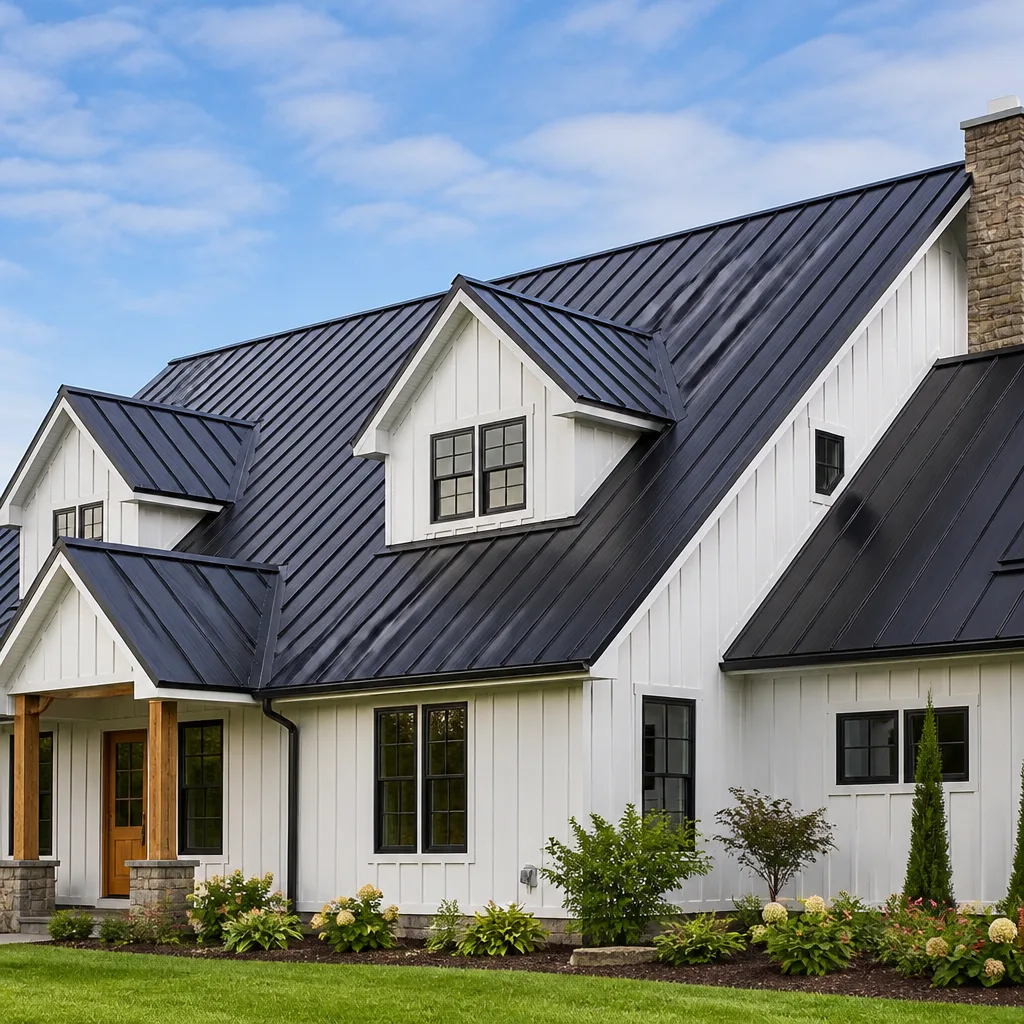 Metal roofing
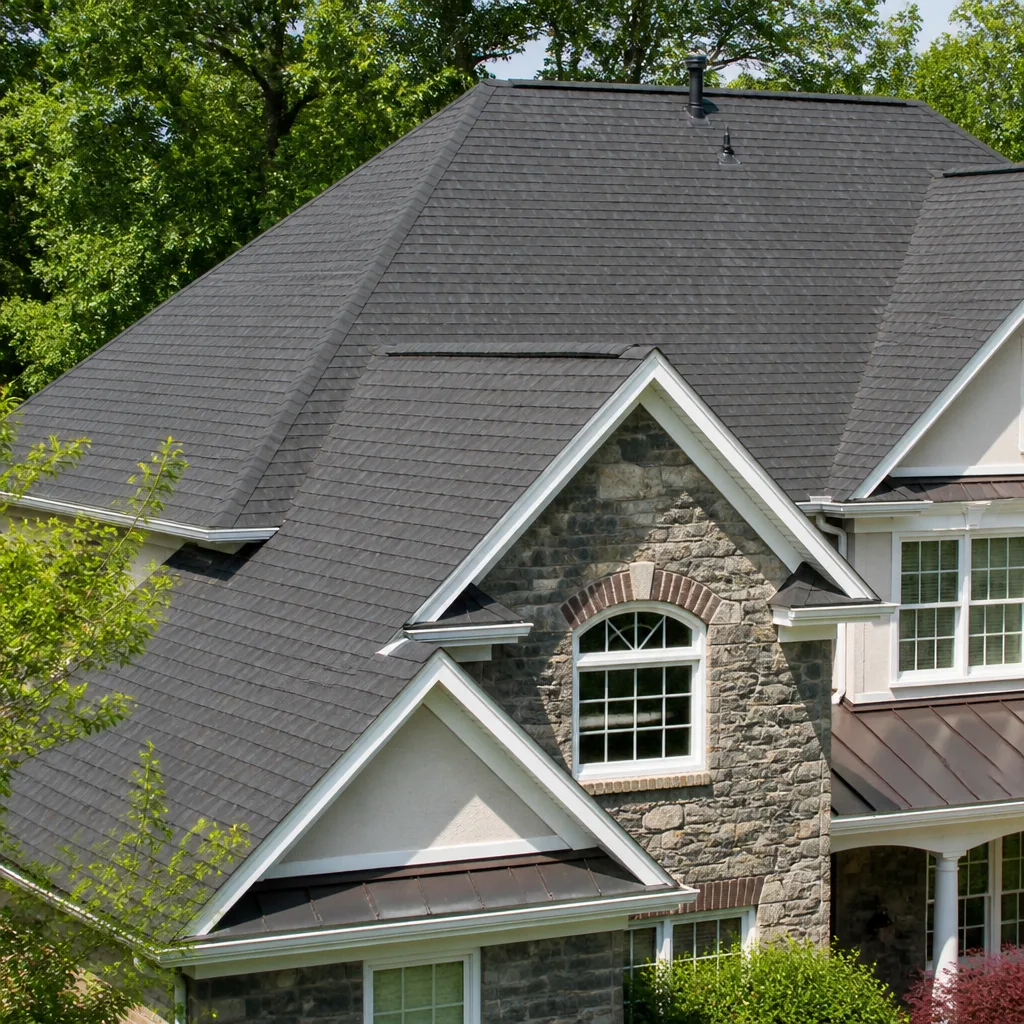
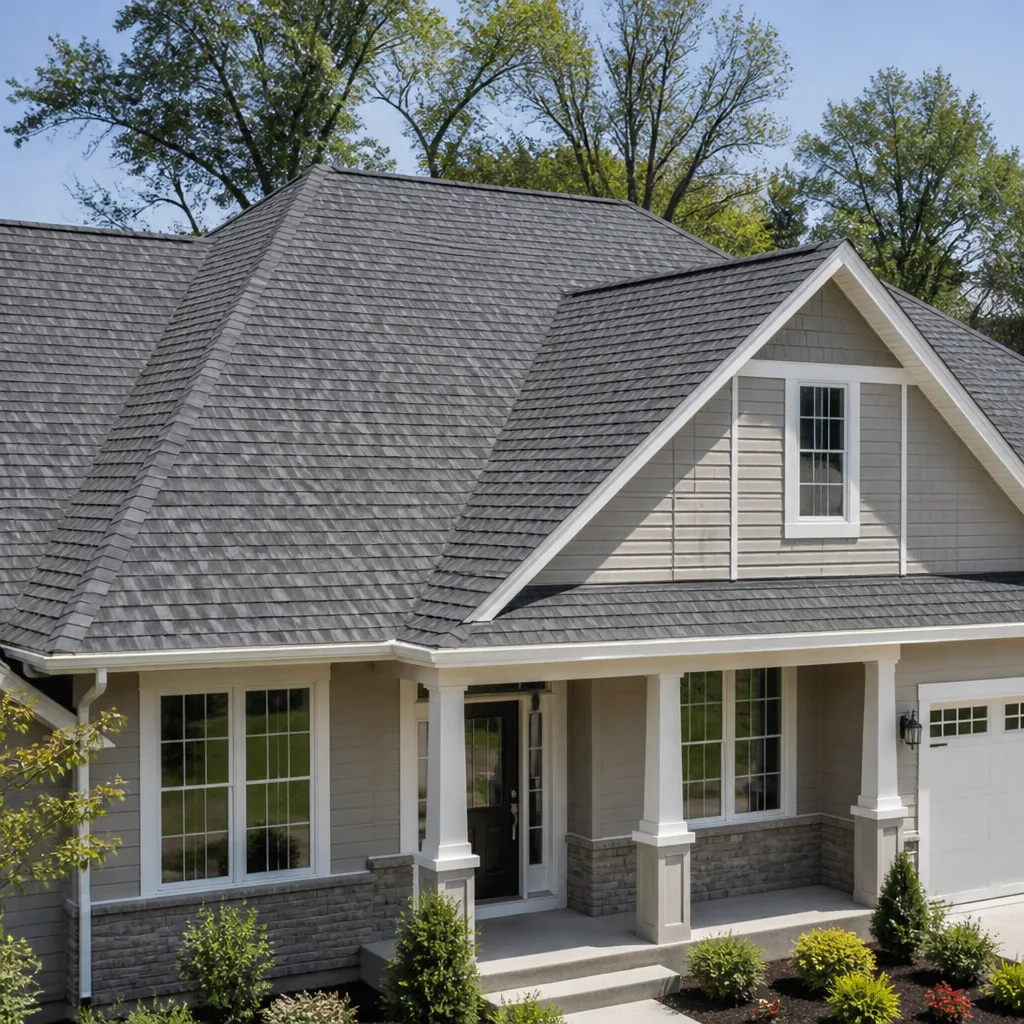 Architectural shingles
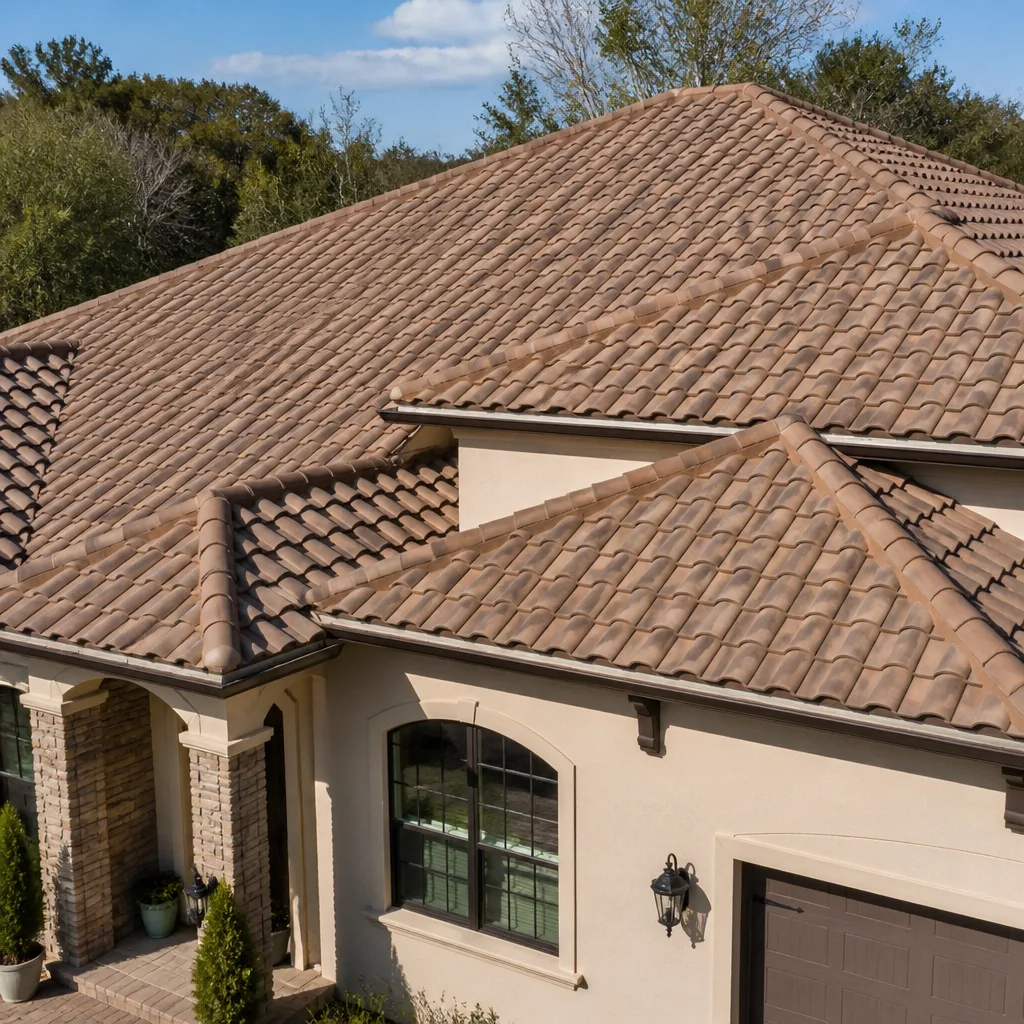 Tile roofing
 GAF
 Owens Corning
 Flat & low-slope
Free roof inspection with deck photos before we talk money - GAF and Owens Corning certified installation
Roofing Permits, Codes & Inspections in Boca Raton, FL: What You Need to Know
Getting a permit costs a few hundred dollars and a few weeks of patience. Skipping one can cost you an insurance claim after a storm, and it can stall a closing years down the road. That’s the part most homeowners don’t hear until it’s too late: an unpermitted roof is treated as a liability, not an asset. Not because the work was necessarily bad, but because Palm Beach County has no record that the installation met code. In this guide we walk through exactly which Boca Raton roofing projects need a permit, how the county review and inspection process actually runs, what the Florida Building Code asks for on a shingle roof, and how permit records factor into your insurance renewal.
Quick Answer
A full roof replacement in Boca Raton always requires a Palm Beach County building permit and a final inspection before it’s considered complete. Repairs require a permit once they cross the county’s square-footage threshold or involve structural members, sheathing replacement, or a change in the roofing system. The installation itself must meet the Florida Building Code, including section 1507 for shingles, and the final certificate of completion is what proves the roof was done to code.
Styles & brands we work with
- Architectural shingles
- Metal roofing
- Tile roofing
- GAF
- Owens Corning
- Flat & low-slope
Table of Contents
- Which roofing projects need a permit in Palm Beach County?
- The permit pathway in Boca Raton, step by step
- What Florida Building Code section 1507 means for your shingles
- How the county inspection works and what fails it
- How permit records affect insurance renewals
- What does the permit process cost in Boca Raton?
- Permits, resale, and your paper trail
- When to bring in a roofing professional
Which Roofing Projects Need a Permit in Palm Beach County?
A full roof replacement always needs a permit in Palm Beach County. Repairs need one depending on scope: the county draws a line based on square footage and on whether structural or system components are being replaced rather than patched.
Here’s how we explain the split to homeowners. If you’re calling us about a missing shingle after a storm, that’s a repair and rarely needs a permit. If the repair involves replacing the roof sheathing, changing the underlayment across the whole roof, adding or altering ventilation, or working on the roof structure itself, it usually crosses into permit territory. The county’s job is to make sure a roof that’s been substantially rebuilt still meets the code requirements for the roof it’s replacing.
Three categories are clear:
- Full tear-off and replacement: always permitted, always inspected, whether you go with a GAF shingle or an IKO product.
- Re-roof over existing shingles: permitted as a full roofing project. The old layers come off or stay on depending on what the code allows for your roof assembly, and the inspection is the same.
- Small targeted repairs: typically exempt. Once the work becomes structural or system-wide, the county wants a permit on file.
If you’re not sure which side of the line your roof falls on, that’s exactly what a Benchmark Roof Repair inspection settles before you spend anything. The answer depends on what the roof is actually doing, not on what the homeowner hopes it’s doing.
The Permit Pathway in Boca Raton, Step by Step
Boca Raton roofing permits run through the city’s building department and are reviewed against the Florida Building Code, with wind requirements specific to this part of South Florida. Here’s the sequence from application to certificate of completion.
- Application submission. The roofing contractor files the permit application with the property address, the scope of work, and the roofing system being installed. The product approval number for the shingle, underlayment, and any accessories goes on the application. This is why working across seven manufacturers matters. Every brand has its own product approval documentation, and a quote that only accounts for one brand’s paperwork can stall the permit if the roof ends up needing a different system.
- Plan review. The city reviews the application against code. For a roof replacement, that means checking the roofing assembly against the wind requirements for the structure. Simple replacements can clear review in a few days. Projects with structural changes, unusual roof shapes, or work that touches the sheathing often take longer.
- Permit issued. Work can’t start until the permit is issued. Not paperwork-in-progress, not “the inspector will catch up.” The permit has to be issued before the old roof comes off.
- Work and interim inspections. Depending on scope, the inspector may need to see the sheathing and underlayment before the shingles go down. The contractor schedules that inspection and waits for it to clear before the roof is closed up.
- Final inspection. Once the installation is complete, the final inspection happens. The inspector checks the installed roof against the approved plans and the code.
- Certificate of completion. The city issues a final inspection record and certificate of completion. This document is what closes the permit and what proves the job met code.
For homeowners in Boca Raton, the practical piece is step one through step four, because that’s where timeline surprises live. A permit that gets held up in review can delay a replacement by a week or more on top of the installation schedule. A contractor who knows the process files the application before the tear-off date is set, so the two timelines line up.
What Florida Building Code Section 1507 Means for Your Shingles
Florida Building Code section 1507 governs shingle installation, and it covers things like underlayment specifications and fastener patterns that don’t always match the manufacturer’s minimums. The higher of the two governs: if the code asks for more fasteners or a heavier underlayment than the shingle manufacturer’s instructions, the code wins, and the county inspector will check for it.
What that means in practice on a Boca Raton roof comes down to a few elements:
- Underlayment. Section 1507 specifies the type and installation of the underlayment layer between the sheathing and the shingles. The underlayment is part of what keeps water out if wind lifts a shingle. It’s also what inspectors look at before the roof is closed up, because you can’t check it afterward.
- Fastener pattern. Shingle installation depends on the nails going in at the right spacing and the right distance from the edges. Fastener requirements in South Florida are set with wind uplift in mind. A pattern that works in a slower-wind zone won’t necessarily pass here, and it isn’t negotiable on a final inspection.
- Product approval. Every shingle system installed in Florida needs a product approval number on file with the state. That’s part of why we work with a range of manufacturers, including GAF, CertainTeed, Owens Corning, IKO, Atlas, Tamko, and Boral. When a roof calls for a system that matches its shape, slope, and exposure, we can confirm the product approval documentation exists before the permit goes in rather than after.
- Drip edge and flashing. Section 1507 ties into the rest of the code on edge metal and flashing at penetrations. A shingle roof that’s right at the field but wrong at the edge will fail inspection.
The point of section 1507 is that the shingles are the visible layer and the rest is what makes them work. A manufacturer’s minimum specification is the floor, and on a Boca Raton roof the code is where the actual requirement starts. If you’re pricing a roof replacement, ask whether the estimate is built to code requirements or only to the manufacturer’s minimum. The two aren’t the same line item.
How the County Inspection Works and What Fails It
The inspector works from the approved plans and the code, not from a preference for a particular brand or a particular installer. That’s the good news for homeowners: the inspection isn’t about whether the contractor did it their way, it’s about whether the roof meets the requirements.
What the inspector checks depends on the stage:
- Deck and underlayment inspection: sheathing condition, fastening of the sheathing to the structure, underlayment type and installation, and edge metal or flashing that will be covered by shingles.
- Final inspection: installed shingles, fastener pattern, flashing at penetrations and valleys, ventilation, and overall conformity with the approved plans.
Here’s what fails an inspection most often:
- Underlayment installed to the manufacturer’s spec instead of the code spec. This is the most common cause of a failed initial inspection. The materials are named on the plan, but the installation doesn’t match section 1507.
- Fastener pattern short of requirement. A crew working to a general pattern rather than the South Florida requirement will fail.
- Missing or incorrect flashing at a penetration. Vent stacks, skylights, and wall intersections are where the details get skipped.
- Work done before the permit was issued. If the roof came off before the permit cleared, that’s an issue that can’t be fixed with a re-inspection alone.
- Product approval mismatch. A shingle system that isn’t documented for the roof or for the code year will hold the permit.
A failed inspection means a re-inspection after the correction. The fix might be small (a fastener pattern), and it might not be (replacing underlayment before the roof is closed). The reason to have the inspection early rather than late is that the cost of a failure is paid in the sequence the roof is built. A correction before the shingles go down is much cheaper than a correction after.
Permits pulled and inspections passed are part of what we treat as the job being done. Not the roof being finished, the job being complete. The certificate of completion is the paperwork that says the roof is on record with the city, and it’s the piece that matters when you need the county to vouch for the work.
How Permit Records Affect Insurance Renewals
Insurers underwriting a wind policy in South Florida want proof the roof meets code, and the permit record is the most direct proof available. When a policy is issued or renewed after a roof replacement, the insurer will typically ask for the installation date and, in many cases, the final inspection or permit documentation. If the county has no record the roof was replaced to code, the insurer may treat the roof as older than it is, refuse to insure it, or exclude storm damage tied to that roof. The exact consequence depends on the insurer and policy.
Here’s the sequence homeowners don’t expect:
- The roof is replaced without a permit.
- A storm causes damage, and a claim is filed.
- The adjuster asks for the installation record and the permit is missing.
- The insurer treats the unpermitted roof as an unknown quantity and either denies the claim, reduces it, or re-underwrites the policy.
The quality of the installation isn’t really the point. A careful, competent roofer can install a roof that meets code, and if the permit was never pulled, the insurer has no way to verify it. That’s the risk. Not “the work was bad,” but “the county can’t confirm the work was done to code.”
This is also why we treat a roof inspection as a standalone service. If you’ve inherited a roof with an uncertain history, or if you’re buying a property in Boca Raton, an inspection with documentation of the roof’s current condition gives you a clean starting point. Know before you spend, whether that’s on a repair or on a policy.
What Does the Permit Process Cost in Boca Raton?
Permit fees in Boca Raton are set by the city and scale with the value of the roofing work, so a full replacement on a large roof costs more to permit than a smaller one. Plan review and inspections are part of the permit cost, not a separate line item, and the contractor files for both together.
A practical look at what’s typical for a Boca Raton roof replacement, with permit fees as an estimated line item:
- Permit fee: typically in the low hundreds to several hundred dollars depending on roof size and scope.
- Final inspection: included in the permit.
- Re-inspection (if needed): adds a separate city fee and a schedule delay.
The written estimate is what sets the final price. If the estimate says the permit is included, it’s included. If the estimate doesn’t say, ask. A written line-item quote that names the permit and the inspection should be standard practice, not a special request. When a homeowner gets a quote that’s dramatically lower than the others and the permit isn’t mentioned, this is usually where the difference comes from. The permit isn’t a fee the homeowner can avoid; it’s part of what makes the roof viable for insurance and resale.
What we say at Benchmark is simple: fixed pricing with no change orders. If the scope turns out to be bigger once the roof is opened up, we’d rather say so before the permit goes in than add it later. That’s part of setting the benchmark on every job.
Permits, Resale, and Your Paper Trail
An unpermitted roof becomes a problem at closing. A buyer’s inspector will flag it, and a buyer’s lender may require that the roof either be documented or re-done. That can hold up a sale for weeks.
The paper trail you want to keep:
- The permit application and issued permit.
- The approved plan and any revisions.
- Inspection records, including any re-inspections.
- The final inspection record and certificate of completion.
- The written estimate and any warranty documentation from the manufacturer.
All of this matters more than people expect in Boca Raton’s housing market. Buyers are looking at age of roof and condition, and the difference between “roof replaced in [year], permit on file” and “roof replaced, no permit” changes what a buyer will pay and whether a lender will fund the sale. A permit isn’t a technicality; it’s a public record that follows the house.
If you’ve already replaced a roof without a permit, the path forward is usually to have the roof inspected, documented, and in some cases permitted retroactively. It depends on the city’s process and the age of the installation. That’s an early call to make, not a late one.
Common Mistakes to Avoid
- Letting the roof come off before the permit is issued. The permit has to be issued before work starts. A contractor who says “we’ll file it after” is asking you to take on a risk you can’t undo.
- Trusting the manufacturer’s spec as the requirement. Section 1507 and the wind requirements for South Florida sometimes ask for more than the shingle manufacturer does. Code is the floor.
- Skipping the final inspection to “save time.” Without the certificate of completion, the permit isn’t closed. A closed permit is the document your insurer will want to see.
- Accepting a quote that never mentions the permit. In Boca Raton that quote is often lower for a reason. Ask whether the permit and final inspection are included and in writing.
- Choosing a shingle system before checking its product approval. Every system installed in Florida needs product approval, and a shingle brand that isn’t documented for your roof holds up the permit.
- Treating a repair as exempt when it’s actually structural. Replacing sheathing, adding ventilation, or touching the roof structure usually crosses into permit territory even when the shingles are mostly staying.
- Forgetting that the paperwork follows the house. The permit record is a public document. Future buyers and insurers will see it, whether or not you mention it.
See the difference
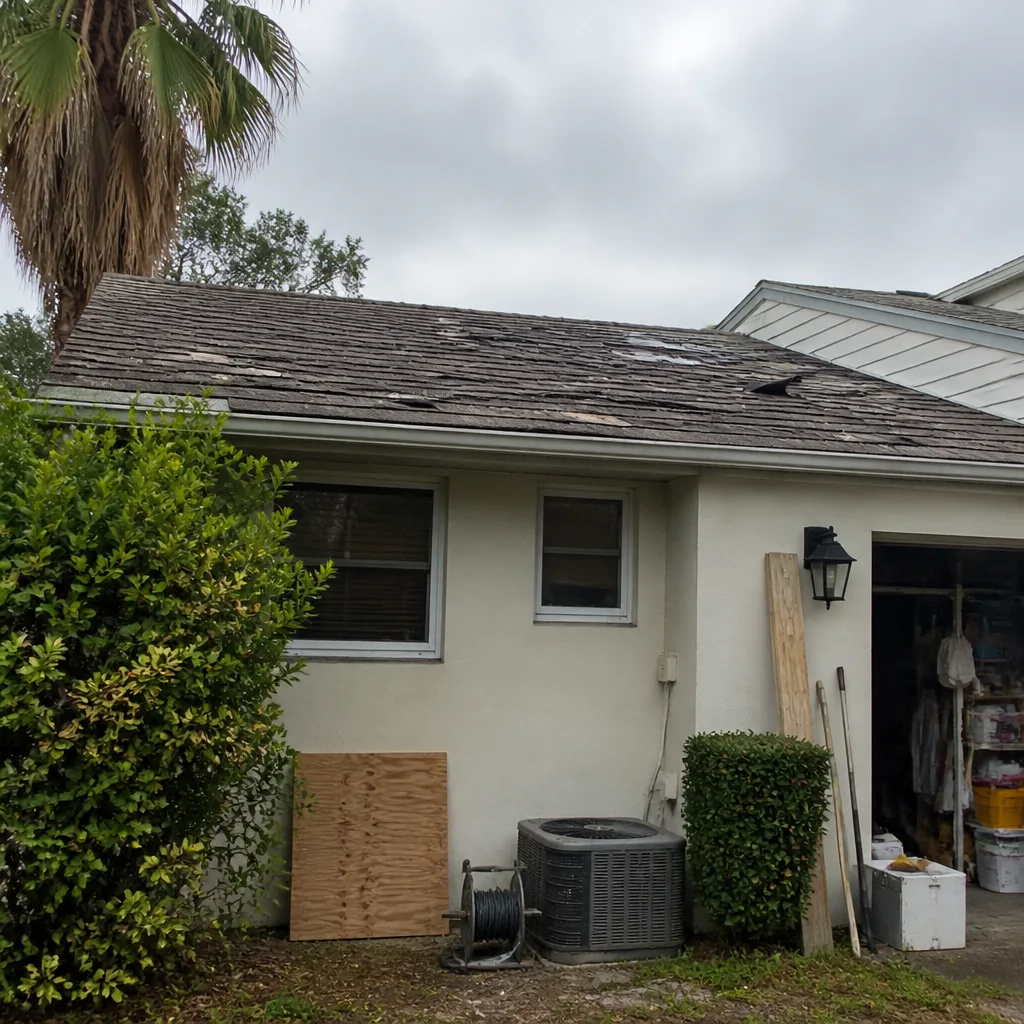 Before
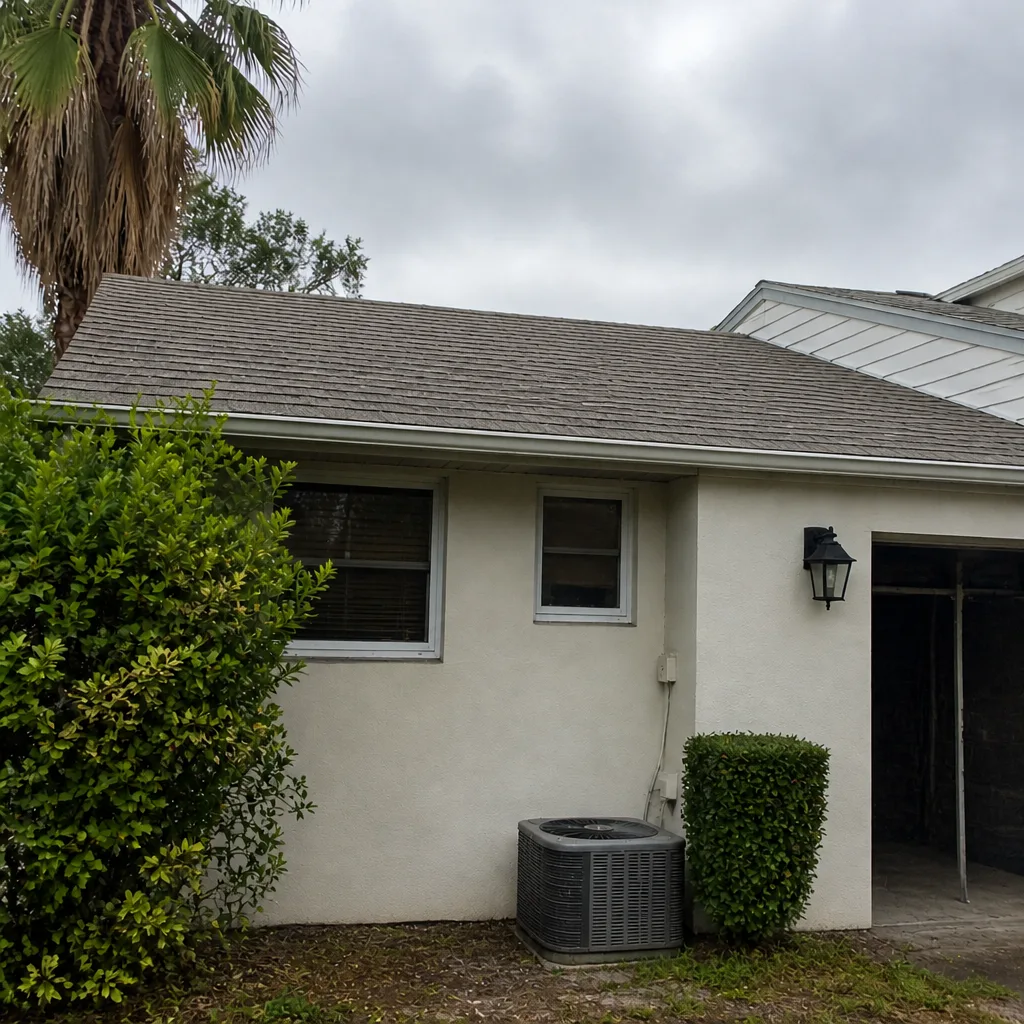 After
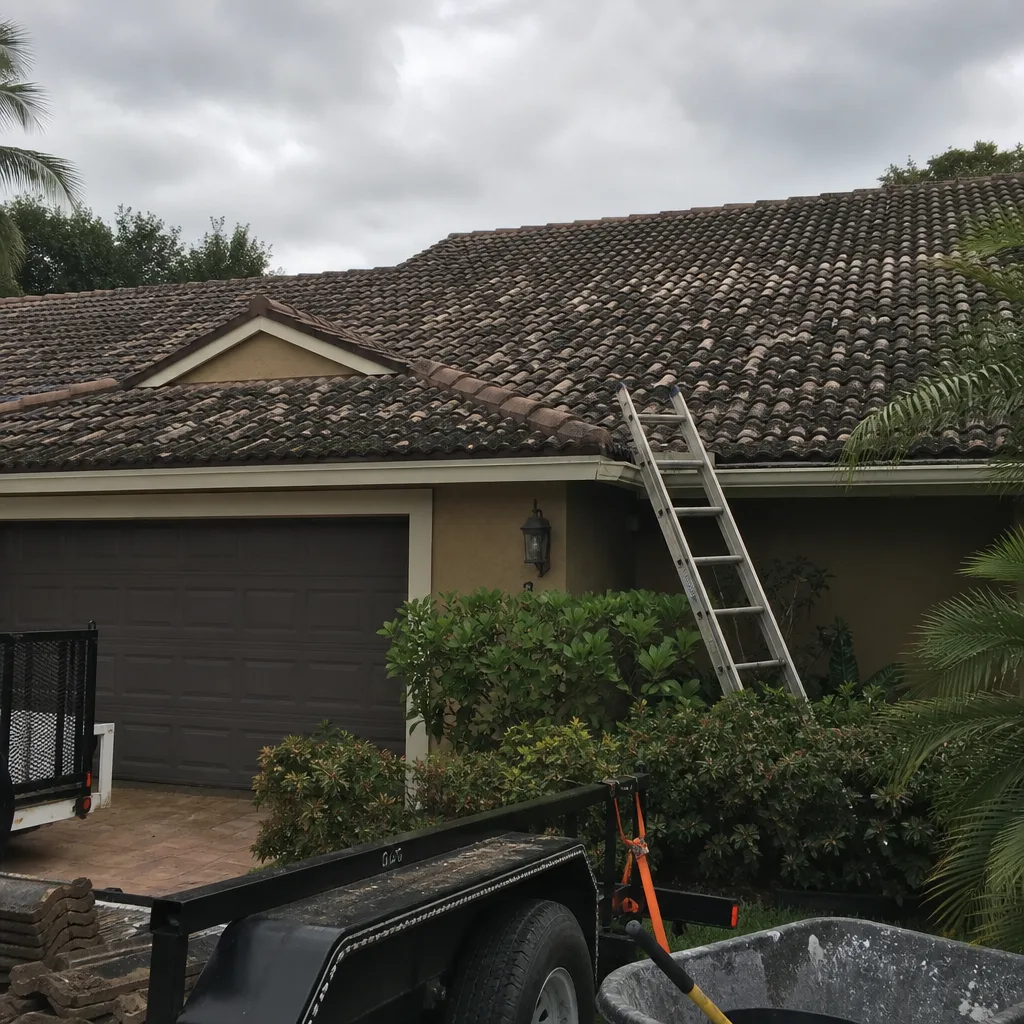 Before
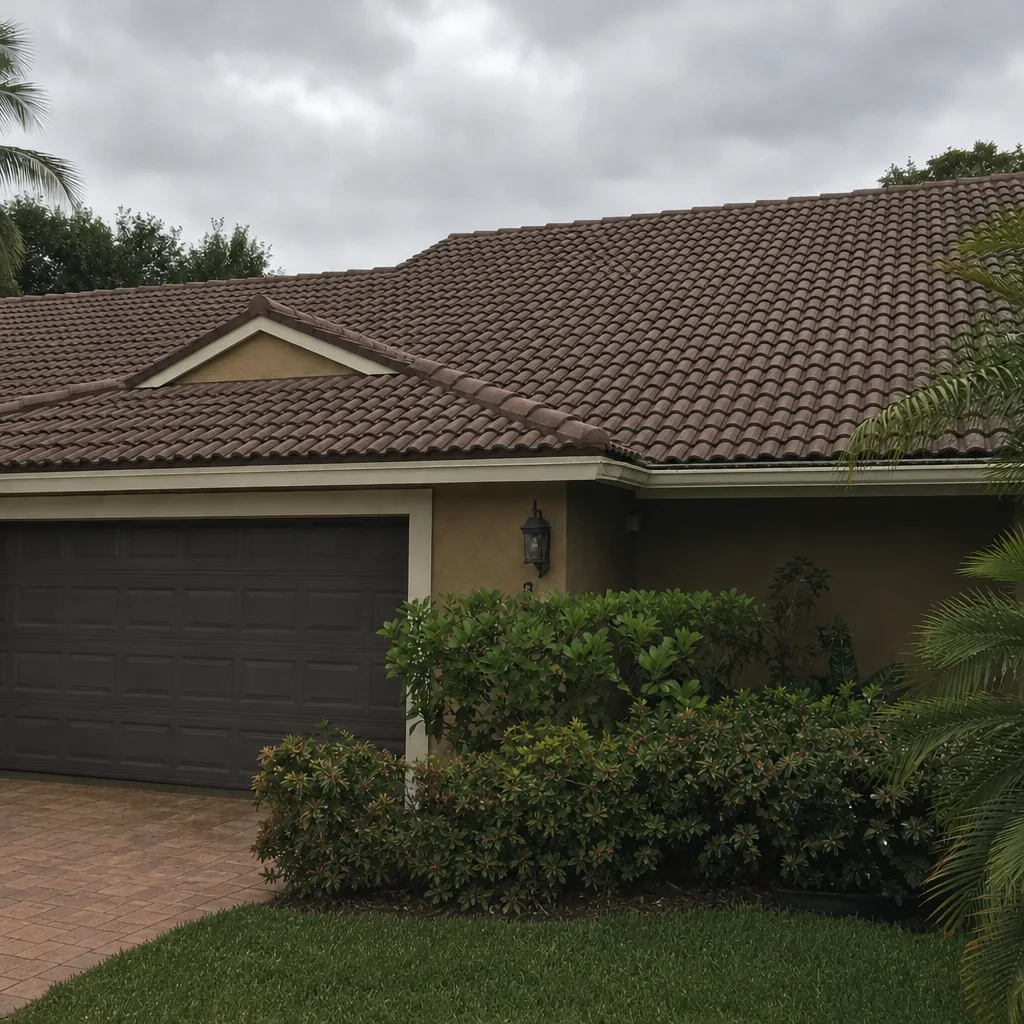 After
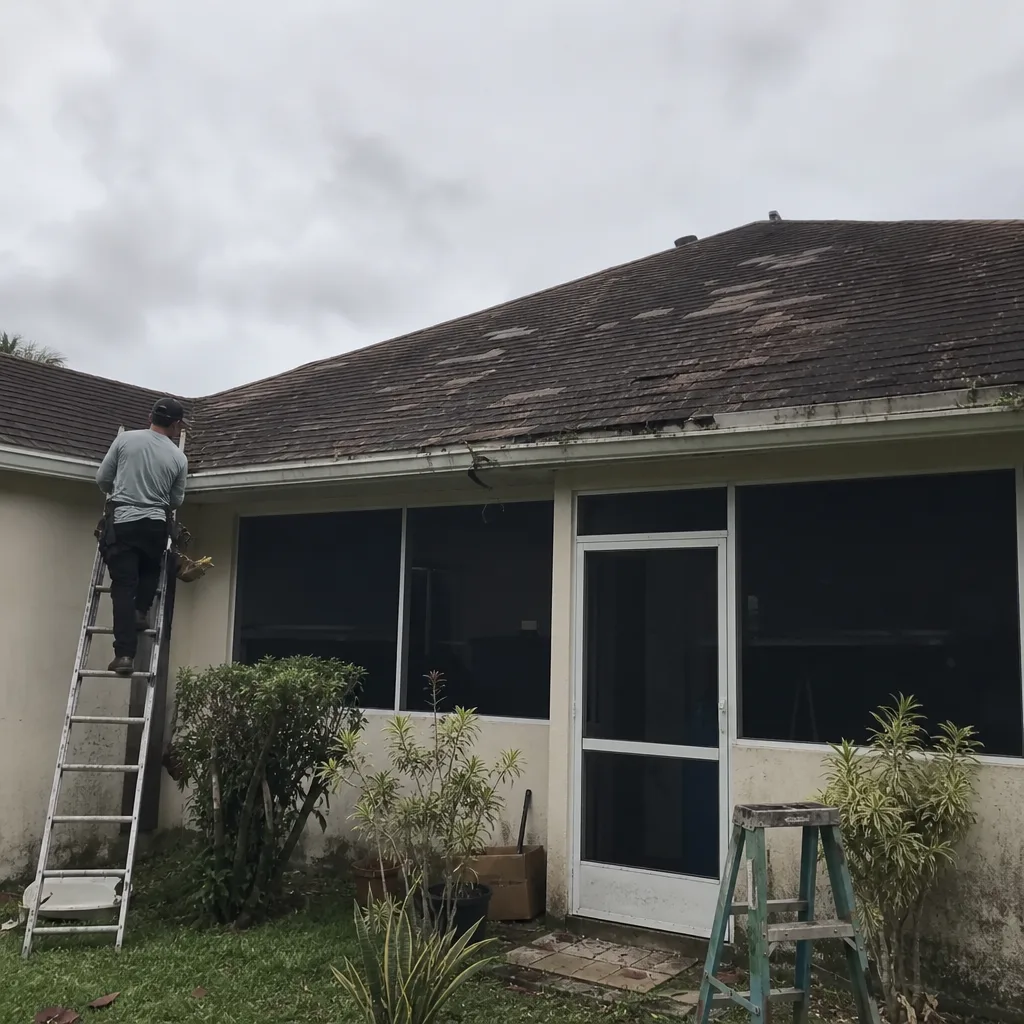 Before
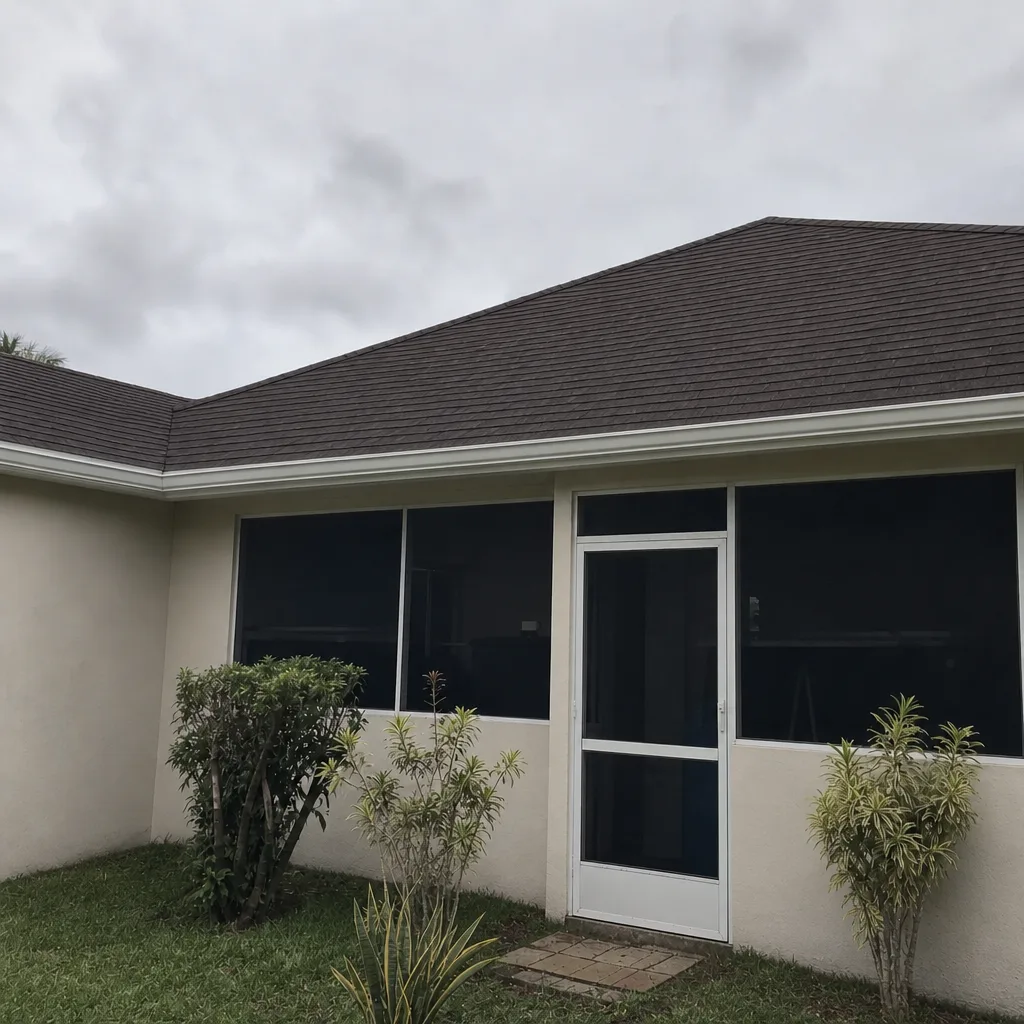 After
When to Call a Professional
Call a roofing professional when you don’t know whether the work needs a permit, when a storm has damaged the roof and the insurance claim depends on the installation being on record, or when a contractor’s quote doesn’t clearly say whether the permit and final inspection are included. Call before the old roof comes off, not after. Once the tear-off has started, the permit window has mostly closed.
We offer free estimates in Boca Raton. Our technicians have up to 15 years of experience, and we work with seven major manufacturers, including GAF, CertainTeed, Owens Corning, IKO, Atlas, Tamko, and Boral. That matters for this topic because each of those brands has its own product approval documentation, and we can match the system to the roof and to the code requirements before the permit is filed. If you want an honest read on what your roof needs and what the process looks like, we’ll sit down with you and walk through it. Call (866) 942-9891 to schedule a free estimate. We answer 24/7. Fast dispatch from 7am to 7pm, Sunday through Friday.
Frequently Asked Questions
Yes. A full roof replacement in Boca Raton requires a Palm Beach County building permit and a final inspection before the job is complete. The permit needs to be issued before the old roof is removed, not after.
A repair needs a permit once it crosses the county’s square-footage threshold or involves structural members, sheathing replacement, a change to the roofing system, or adding ventilation. A missing shingle or two usually doesn’t. Small repairs are typically exempt; anything system-wide isn’t.
Section 1507 sets the requirements for shingle installation in Florida, including underlayment specifications and fastener patterns. The code governs alongside the manufacturer’s instructions, and where the code asks for more than the manufacturer does, the code requirement applies. The county inspector checks for it.
The permit stays open and a re-inspection is scheduled after the correction is made. Common failures are underlayment installed to manufacturer spec instead of code, a fastener pattern that falls short of the South Florida requirement, or missing flashing at a penetration. The cost of the correction depends on how far the roof got before the inspection.
It can. Insurers issuing or renewing a wind policy in South Florida typically want to see that the roof was installed to code, and the permit record is the most direct proof. Without it, the insurer may treat the roof as an unknown, which can affect coverage, renewal, or a storm damage claim. The exact consequence depends on the insurer and policy.
Sometimes. It depends on the city’s process, the age of the installation, and whether the roof can be inspected and documented to code. The path forward usually starts with a roof inspection so you know what the county will be looking at. Call (866) 942-9891 for a free estimate and we’ll walk through the options for your roof in Boca Raton.
The Bottom Line
Boca Raton roofing permits aren’t the most glamorous part of a roof replacement, but they’re the part that holds everything else together. A permit is what connects your installation to the Florida Building Code, section 1507, the county inspection, and a certificate of completion that insurers and future buyers can rely on. Skipping it saves a few weeks and a few hundred dollars up front, and the cost shows up later, in a denied claim or a stalled sale. Get the estimate in writing, confirm the permit and final inspection are included, and confirm the shingle system has product approval before the roof comes off. That’s what “Know before you spend” means on a roof.
Ready to talk through your roof? Call (866) 942-9891 for a free estimate from Boca Raton‘s Benchmark Roof Repair. We’ll put an inspection on record first, give you a straight read on repair versus replacement, and handle the permit from application to certificate of completion. If you want to start with the diagnosis instead of the quote, our roof repair and inspection services are built around the same idea: know first, then spend. We answer 24/7. Fast dispatch from 7am to 7pm, Sunday through Friday.
Written by the team at Benchmark Roof Repair.