
Last updated November 15, 2026
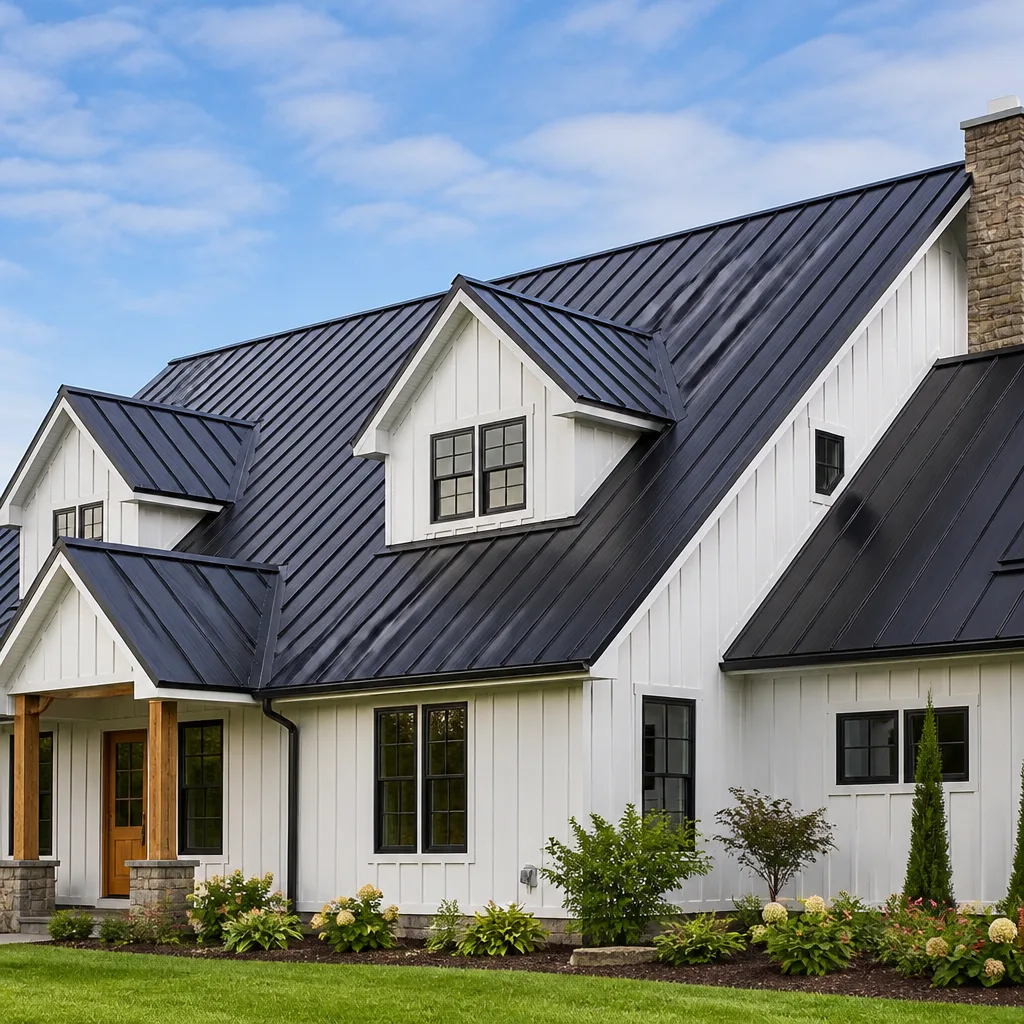 Metal roofing
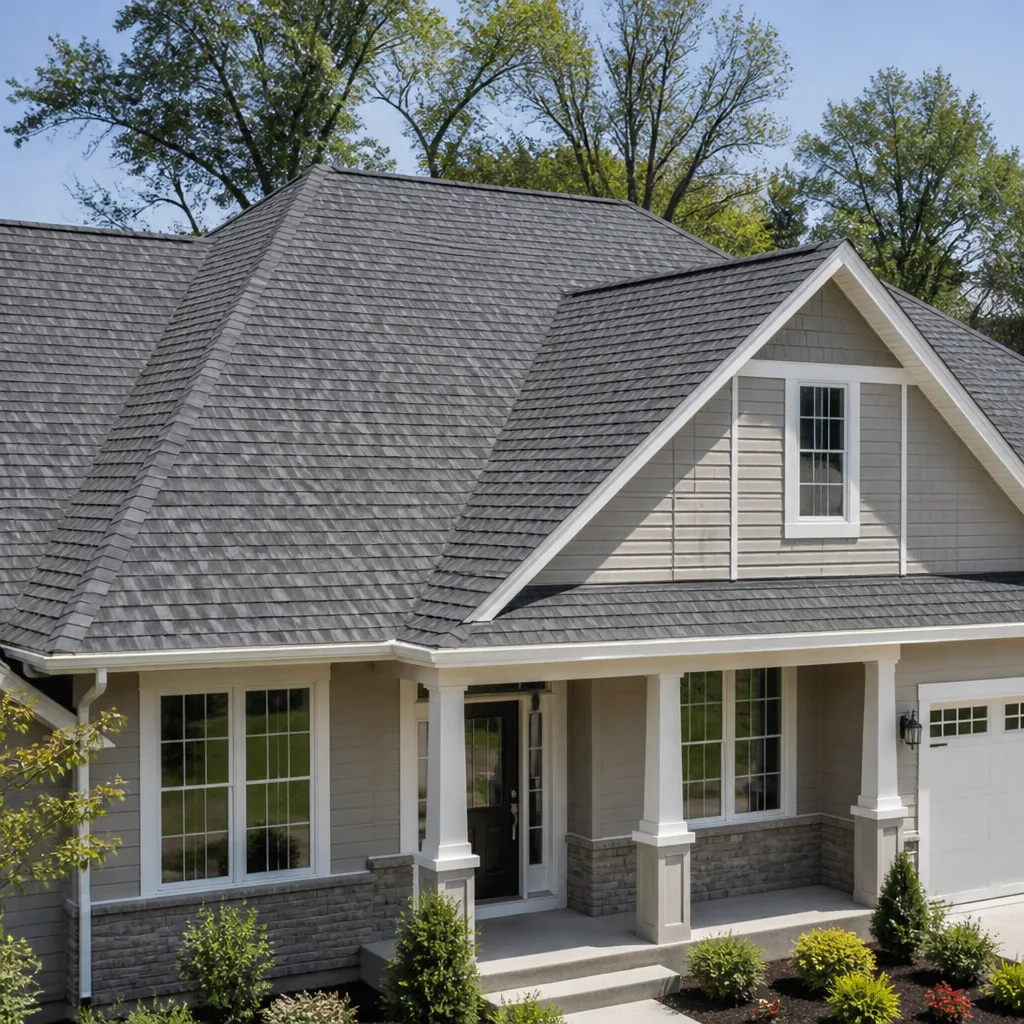 Architectural shingles
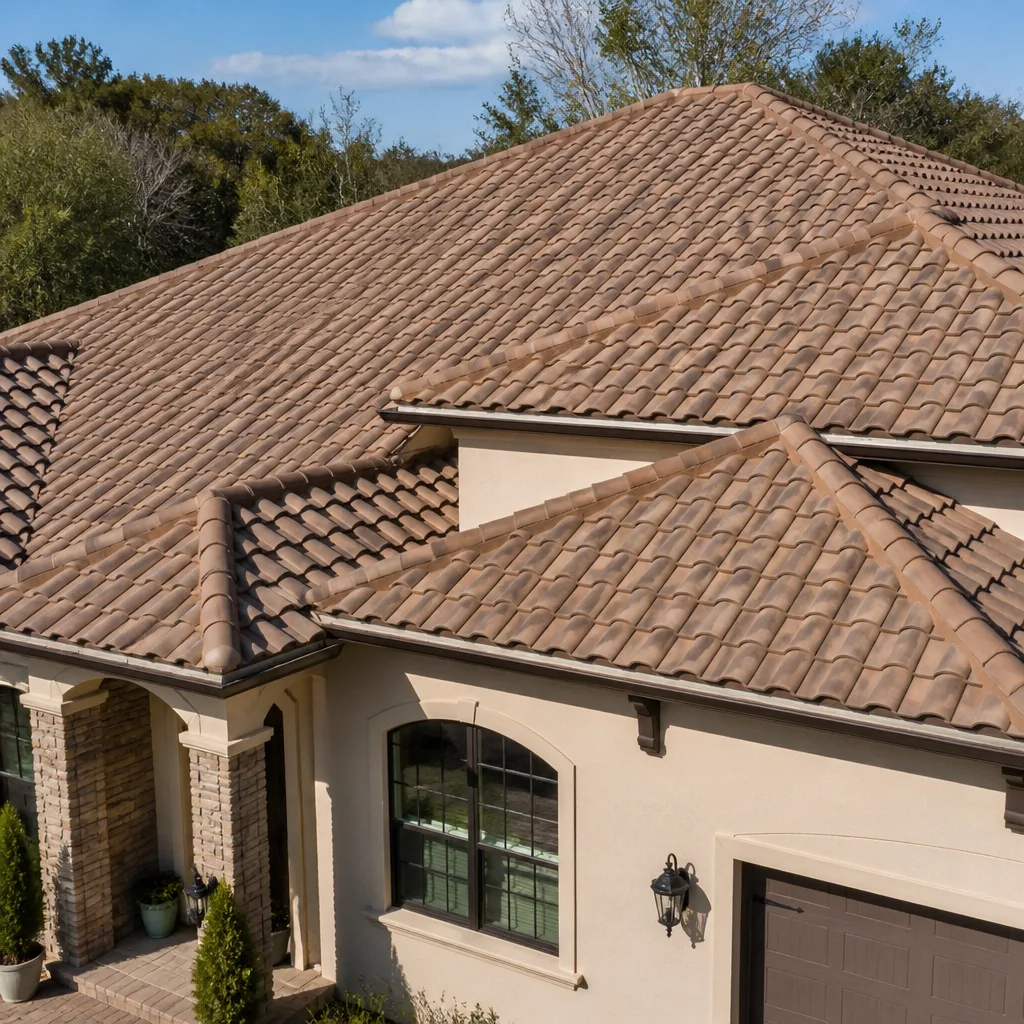 Tile roofing
 GAF
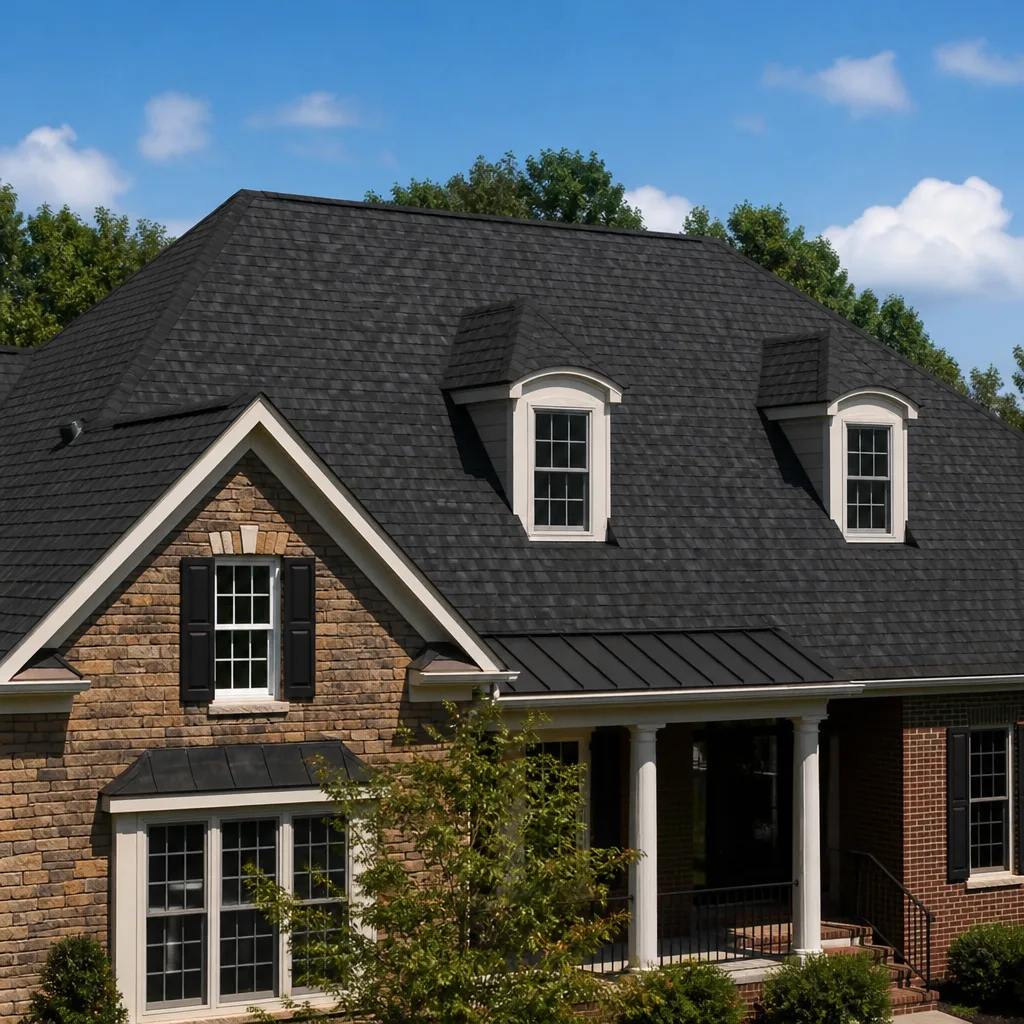 Owens Corning
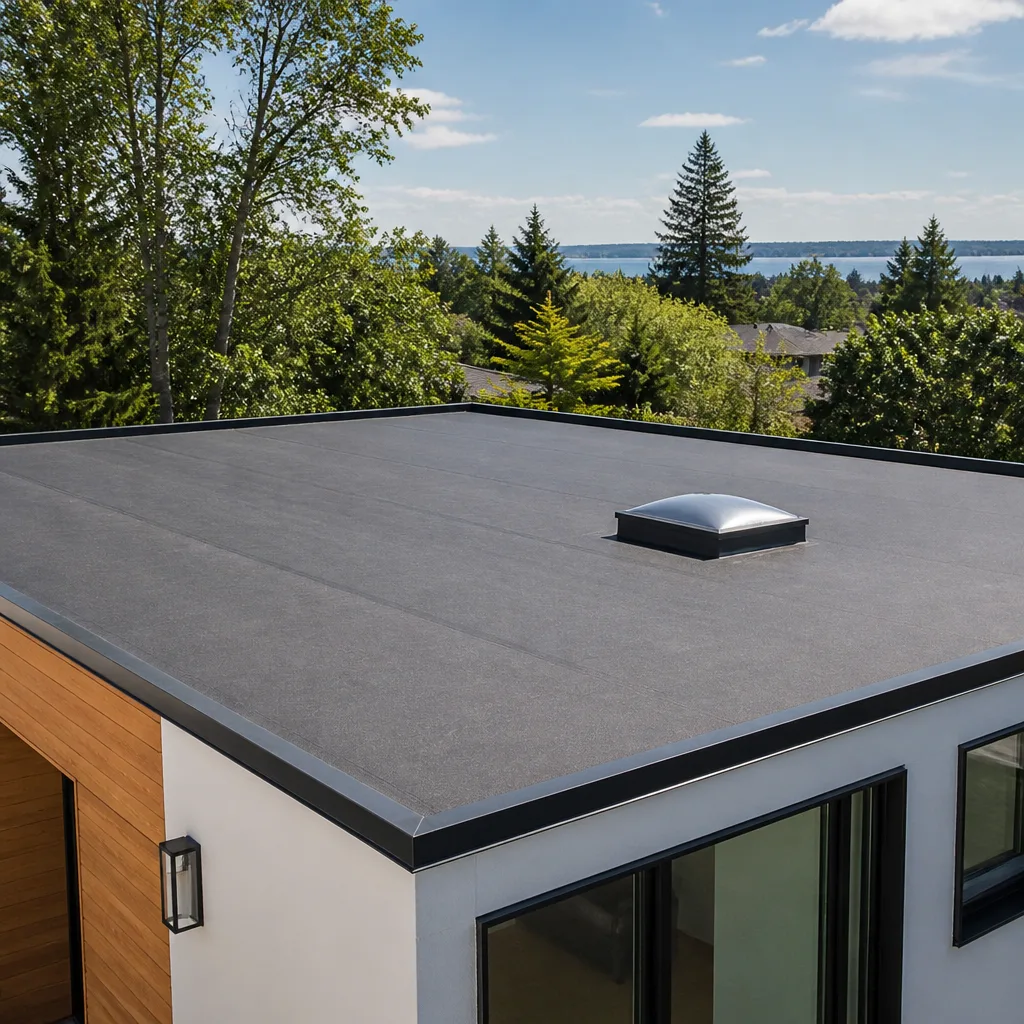 Flat & low-slope
Free roof inspection with deck photos before we talk money - GAF and Owens Corning certified installation
Choosing the Right Roofing Brand: A Buyer’s Guide for Boca Raton
Most homeowners pick a shingle brand the way they pick a paint color: whatever the contractor puts in front of them. That’s backwards. Seven major shingle manufacturers all market their products as ideal for Florida’s climate, yet their wind warranties, algae-resistance guarantees, and solar reflectance ratings differ in ways that genuinely matter on a Boca Raton roof facing intense sun and serious wind design loads. In this guide, we’ll show you how to compare brands on the things that actually affect performance and cost over a 20-year roof, how to verify a product is approved for Florida before anyone orders it, and when a premium warranty program is worth the money – and when it isn’t.
Quick Answer
The right roofing brand for a Boca Raton home is the one whose wind warranty, algae resistance, and solar reflectance match your roof’s exposure, not the one a contractor happens to stock. Compare at least two or three manufacturers on those three specs, verify Florida Product Approval for the exact product, and let the inspection findings drive the recommendation. Brand choice is a fit question, not a loyalty question.
Styles & brands we work with
- Architectural shingles
- Metal roofing
- Tile roofing
- GAF
- Owens Corning
- Flat & low-slope
Table of Contents
- Why Brand Choice Matters More Than You Think
- How to Read a Shingle Wind Warranty
- Algae Resistance: What the Brands Actually Differ On
- Verifying Florida Product Approval Before You Order
- Solar Reflectance and Attic Heat in South Florida
- Premium Warranty Programs: Worth the Premium?
- A Step-by-Step Way to Compare Brands
- Common Mistakes to Avoid
Why Brand Choice Matters More Than You Think
Shingles are not a commodity. Two products that look identical from the street can carry different wind ratings, different algae protection, and different warranty terms – and over the life of a Boca Raton roof, those differences compound. A homeowner who chooses material based on fit ends up with a roof that holds up better and is easier to warranty later. A homeowner who takes whatever the contractor stocks gets a roof that may be fine, or may be the wrong match for a particularly shaded, sun-baked, or wind-exposed slope.
Here’s the part most people miss: when a contractor works with only one or two material lines, every recommendation bends toward those lines. That’s an inventory constraint, not a judgment about your roof. The best roofing brand for your home is determined by what the roof needs, not by which manufacturer’s rep gave the contractor the best pricing last quarter. When a roofer can work fluently across GAF, CertainTeed, Owens Corning, IKO, Atlas, Tamko, and Boral, the recommendation has room to be honest – because the answer isn’t pre-decided by what’s sitting in a warehouse.
Brand fluency also signals installer skill. Each manufacturer publishes distinct installation requirements: fastener patterns, starter course details, valley treatments, and ventilation specs all vary. A crew that works across several brands is used to reading and following spec sheets rather than repeating one routine on every roof. At Benchmark Roof Repair, our technicians have up to 15 years of experience, and that range across seven brands means the recommendation you get is about your roof’s needs first.
How to Read a Shingle Wind Warranty
A wind warranty’s mph number means almost nothing on its own. When a shingle package reads “up to 130 mph,” that figure usually depends on the shingle being installed to a specific standard – correct fastener type and count, proper starter and hip-and-ridge details, and often a qualifying underlayment. Install it a different way and the covered wind speed can drop. The number is a ceiling conditional on the installation, not a guarantee baked into the product.
Then there’s the design load side. Homes in Boca Raton are engineered to a design wind speed set by the building code for the area, and that design speed is typically higher than the warranty number a standard shingle carries. We’re deliberately not quoting a figure here, because the exact value depends on the structure and the code edition in force – ask your contractor and your local building department what applies to your address. The point is this: the warranty and the code requirement are two different numbers, and you should understand both before you sign.
What to check on any wind warranty
- The qualifying installation standard. Ask what fastener pattern and accessory products the warranty requires, and confirm those are in the written scope.
- The covered wind speed versus your design speed. If the warranty tops out below what your roof is engineered for, that gap is worth a conversation.
- Whether enhanced coverage requires a certified installer. Many manufacturers offer a higher wind tier only when their own credentialed contractor installs the roof.
- Proration and transfer terms. A warranty that shrinks sharply after the first several years protects you less than the headline suggests.
Brands differ here. GAF and CertainTeed each have tiered wind coverage that steps up with their premium product lines and certified installation, while Owens Corning structures its coverage around its own qualifying systems. Read the actual warranty document – not the brochure – for the product being proposed.
Algae Resistance: What the Brands Actually Differ On
Algae streaks are the dark stains that creep across shingle roofs in humid climates, and Boca Raton’s humidity gives them plenty of opportunity. The technology is copper: manufacturers infuse copper granules into the shingle surface, and as rain washes over them, trace copper inhibits algae growth. The brands differ in how much copper they use, where on the shingle it’s placed, and which product lines include it as standard versus optional.
That matters because coverage isn’t uniform. A brand might offer algae-resistant granules on its premium line and leave its entry line unprotected. If you’re comparing quotes and one is noticeably cheaper, check whether algae resistance is included or was quietly dropped. On a shaded slope – say, the north side of a home under mature trees – the difference shows up within a few years.
How local conditions change the math
- Shade coverage. More shade holds moisture on the shingles longer, which favors algae. If parts of your roof sit in tree shade most of the day, prioritize a line with algae-resistant granules.
- Roof pitch and drainage. Flatter slopes and areas that stay damp after rain are more prone to staining than steep, fast-drying planes.
- Neighboring roofs. Algae spreads by airborne spores, so staining on nearby homes is a reasonable early-warning signal for your own.
When we inspect a roof for a homeowner, we note the shaded areas and how the existing shingles are weathering, because that’s what determines whether an algae-resistant line is a reasonable upgrade or an unnecessary one. That’s the “know before you spend” approach: get a documented condition assessment first, then decide. If you’re already seeing staining or granule loss, a professional roof repair assessment can tell you whether the shingles are still serviceable or nearing the end of their life.
Verifying Florida Product Approval Before You Order
Florida requires many roofing products to hold a state product approval before they can be legally installed, and verifying it takes ten minutes if you know where to look. A product approval is a state-issued document showing the product has been evaluated for use in Florida under specified conditions. Not every shingle on a supplier’s shelf carries one for every application, and a contractor who can’t produce the approval when asked is a contractor to slow down on.
A simple verification sequence
- Ask for the product’s Florida Product Approval number before the order is placed. It should appear on the manufacturer’s documentation.
- Look up the number in the state’s product approval database and confirm the product name and model match what’s on your quote.
- Check the approval covers your application – roof slope, attachment method, and underlayment can all be conditions of the approval.
- Match it to your permit. Your building department will review the approval as part of the permit, so getting it right early avoids a stop-work surprise.
- Keep a copy with your project records for future warranty claims or resale disclosure.
Most cities require a permit for a full roof replacement, so ask your city’s building department what it needs from you. The approval question is one a competent roofer should answer without hesitation; if it draws a blank stare, that tells you something. We treat permit pulls and inspection sign-offs as a standard part of a roof replacement, because a roof that fails final inspection isn’t a finished roof.
Solar Reflectance and Attic Heat in South Florida
Solar reflectance is how much of the sun’s energy a shingle bounces back instead of absorbing, and in South Florida’s heat it affects attic temperature and, by extension, cooling load. Dark shingles absorb more; lighter and specially rated “cool” shingles reflect more. Over a 20-year roof life, the difference in attic heat can show up in how hard your air conditioning works, especially on a home with limited attic ventilation.
Manufacturers publish solar reflectance data for their product lines, and it varies by color and by line. It’s not a pass or fail metric – there’s no code requirement you’re violating by choosing a darker shingle – it’s a trade-off between the look you want and how much heat the roof adds to the attic. A homeowner who loves a deep charcoal shingle isn’t wrong; they just should know what they’re trading.
What to weigh
- Color and reflectance are related but not identical. Two dark shingles can carry different ratings depending on the granules used.
- Ventilation does the heavy lifting. No shingle compensates for an attic that can’t breathe. Ask about intake and exhaust balance alongside material choice.
- Product lines differ. Certain premium lines are engineered with reflectance in mind; entry lines may not publish the same data.
- Your energy picture matters. A home with heavy attic insulation and good ventilation feels less impact from shingle color than one without.
This is one of the areas where brand choice genuinely changes outcome, and one where a recommendation tied to a single supplier is a liability – if that supplier’s colors don’t offer the reflectance profile that suits your home, you shouldn’t have to accept it. Working across GAF, CertainTeed, Owens Corning, IKO, Atlas, Tamko, and Boral lets us line up options by rating rather than by loyalty.
Premium Warranty Programs: Worth the Premium?
Many manufacturers offer enhanced warranties when a certified installer does the work, bundling longer coverage on materials with additional protection on the labor side. The premium can be real money. The question is whether it fits your situation, and the honest answer is: sometimes.
Premium warranty programs tend to make the most sense when you plan to stay in the home for a long stretch, when the roof is large or complex, and when the extra coverage on labor matters to you more than the added cost. They make less sense if you’re likely to sell soon, if the standard manufacturer warranty already covers the realistic claim window, or if the premium product line’s other benefits aren’t a good fit for the roof’s exposure. We don’t push these programs; we explain what each one covers and let you decide. Any guarantee or warranty language on your roof should reflect what the manufacturer offers on that specific product – we don’t promise blanket labor coverage beyond that.
Questions to ask before paying for a premium tier
- What’s the actual coverage difference versus the standard warranty, in years and in scope?
- Is the extended labor coverage tied to the installer remaining credentialed, and what happens if they don’t?
- Is the warranty transferable if you sell, and what’s required to transfer it?
- Does the premium tier require specific underlayment, ventilation, or accessory products that add cost?
A Step-by-Step Way to Compare Brands
Here’s the process we suggest to any Boca Raton homeowner weighing brand options. It doesn’t require you to become a roofing expert – just to ask the right questions in the right order.
- Get the roof inspected first. An honest condition assessment tells you whether you need repair or replacement and what the roof’s weak points are. Ask for it in writing, with photos. A standalone roof inspection is exactly what we offer for this – a documented baseline before any money is committed.
- Match specs to your roof’s exposure. Shaded slopes argue for algae resistance; sun-baked slopes argue for reflectance; high-wind areas argue for a wind warranty that matches your design load. Write down the specs that matter for your specific roof.
- Ask for two or three brand options per spec. A contractor who works with multiple manufacturers can offer alternatives. A single-brand contractor can’t, regardless of how good the product is.
- Verify Florida Product Approval for each proposed product. Use the numbered sequence above. Every product on your quote should have one that covers your application.
- Compare written line-item quotes side by side. Spec for spec, so the comparison is real. If one quote omits the algae-resistant granules that another includes, the cheaper number is misleading.
- Read the actual warranty documents. Not the summary sheet – the document. Look at proration, transfer, and installation requirements.
- Decide on premium tiers last. Once the base material is right, evaluate whether enhanced coverage is worth the premium for your situation.
That order matters. Most homeowners do it backwards – they pick a price first and a brand last. Reversing the sequence puts materials and specs in front, price after, and gets you a roof that fits. We help homeowners through this process across Boca Raton and the surrounding communities, and we’d rather answer spec questions for an hour than install the wrong product.
Common Mistakes to Avoid
- Choosing the brand before the inspection. Picking a shingle without knowing what the roof actually needs is guessing. Get the condition assessment first, then match material to findings.
- Reading the wind warranty mph as a guarantee. That number depends on installation. If the fastener pattern and accessories aren’t in the written scope, the warranty ceiling may not apply.
- Assuming all quotes include the same features. Algae-resistant granules and solar-rated lines are often optional add-ons. Two quotes that look comparable on the surface can differ by thousands of dollars in what’s actually being installed.
- Skipping the Florida Product Approval check. Ordering an unapproved product means a permit problem and possibly a stop-work order. Verify before the order goes in, not after.
- Paying for premium warranty tiers without reading the terms. Enhanced coverage can be worthwhile, but you should know what it covers, how long, and whether it transfers before you pay for it.
- Letting a single-brand contractor recommend without comparison. Inventory-driven recommendations are common. Ask what alternatives exist and why the proposed brand wins for your roof.
- Overlooking attic ventilation when choosing shingles. Reflectance and ventilation work together. Fancy shingles on an attic that can’t breathe is a wasted upgrade.
See the difference
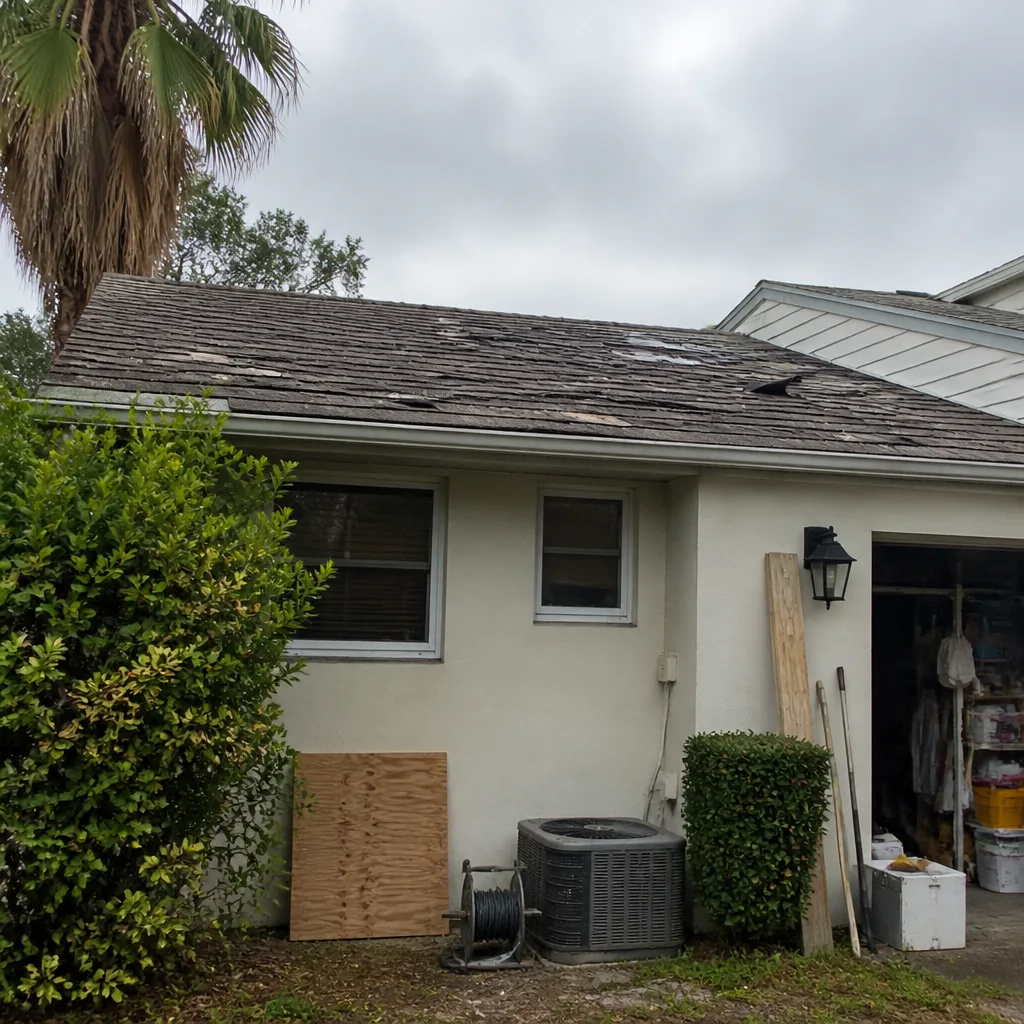 Before
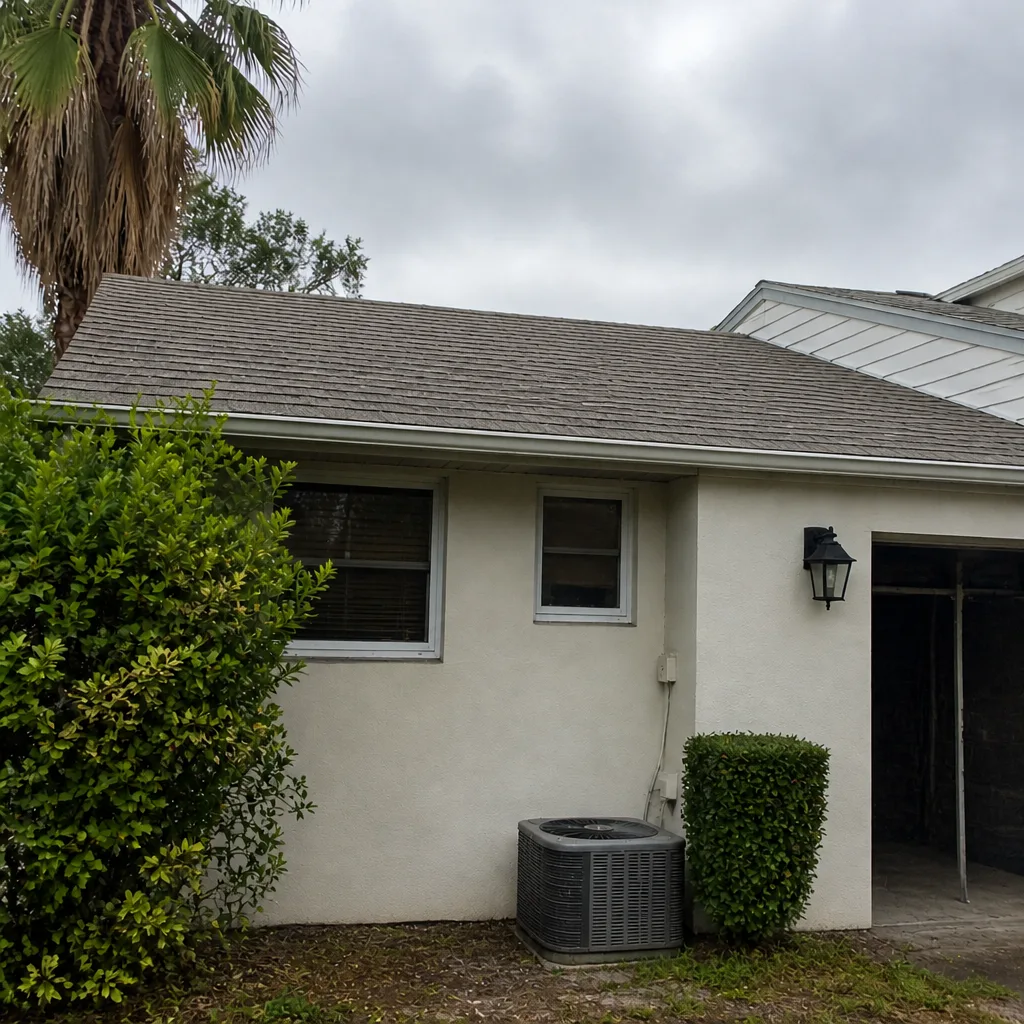 After
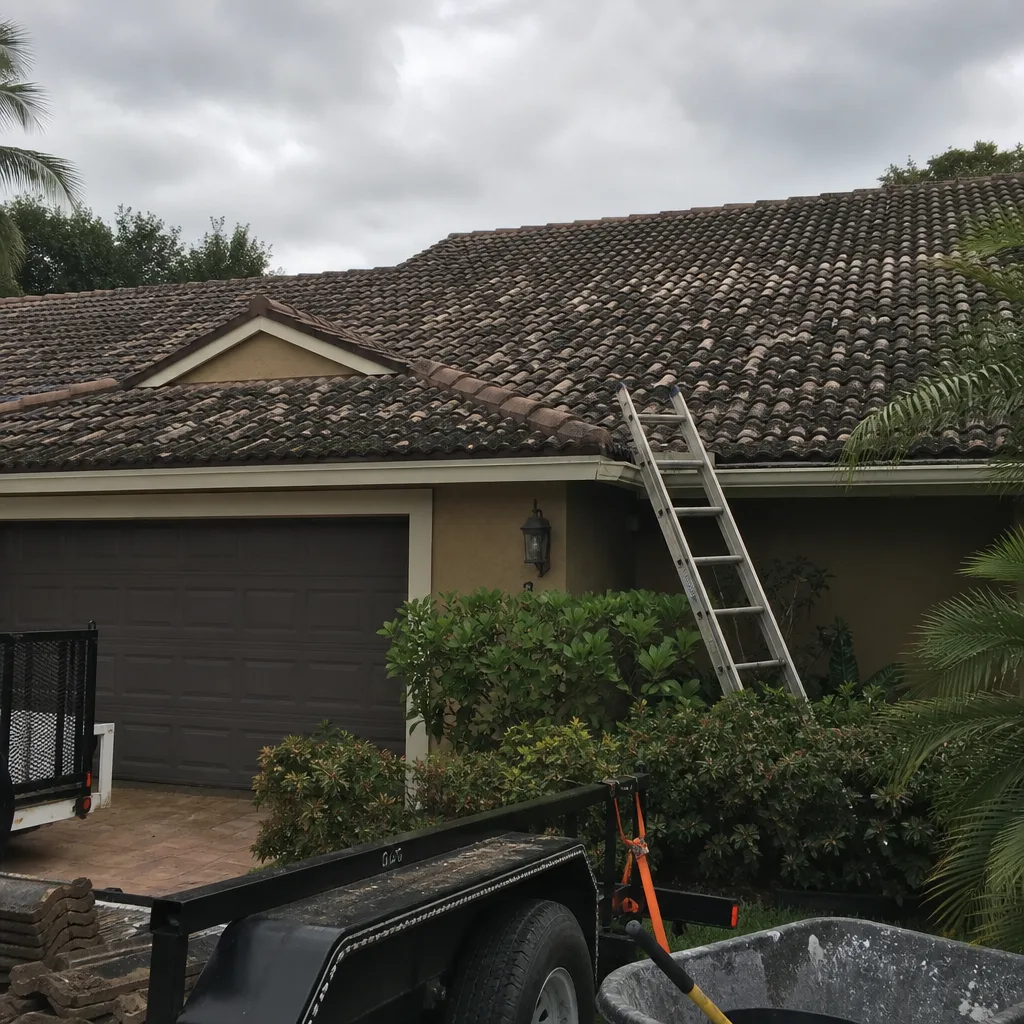 Before
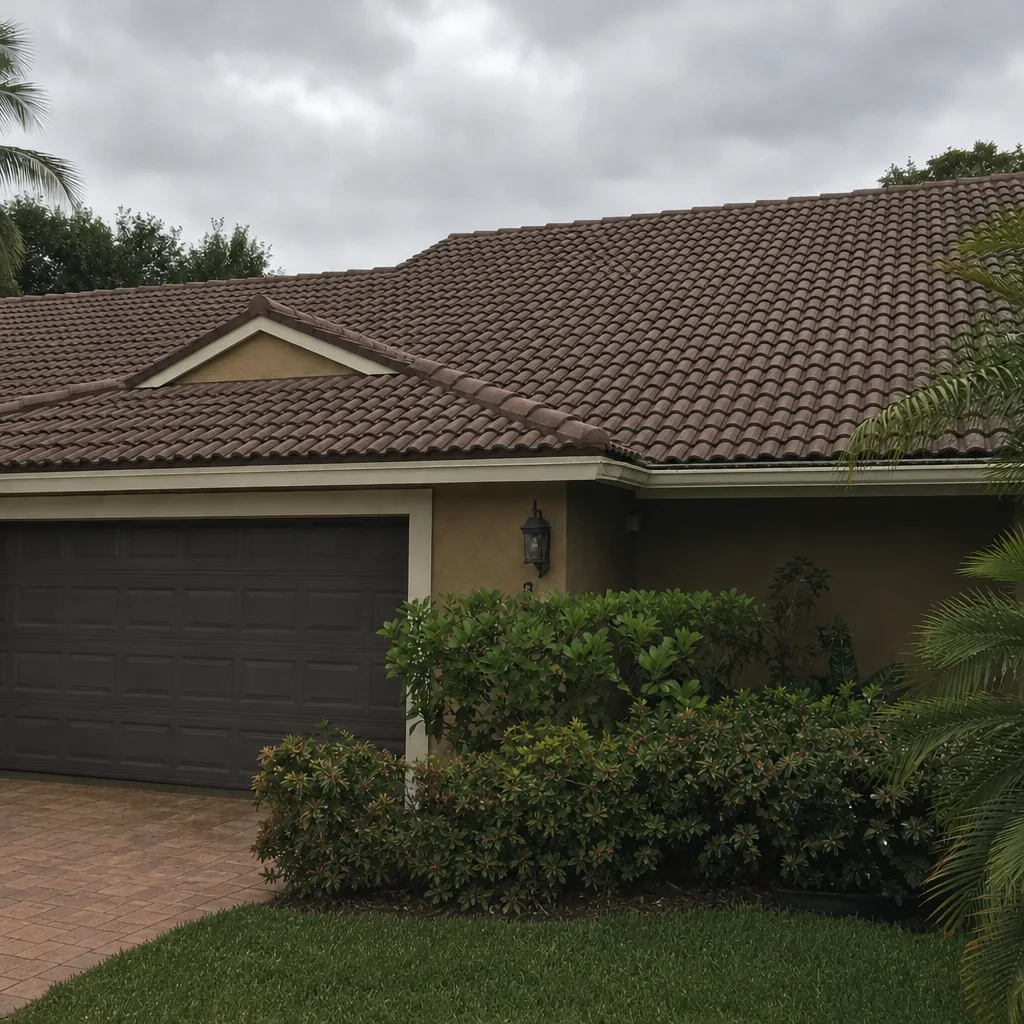 After
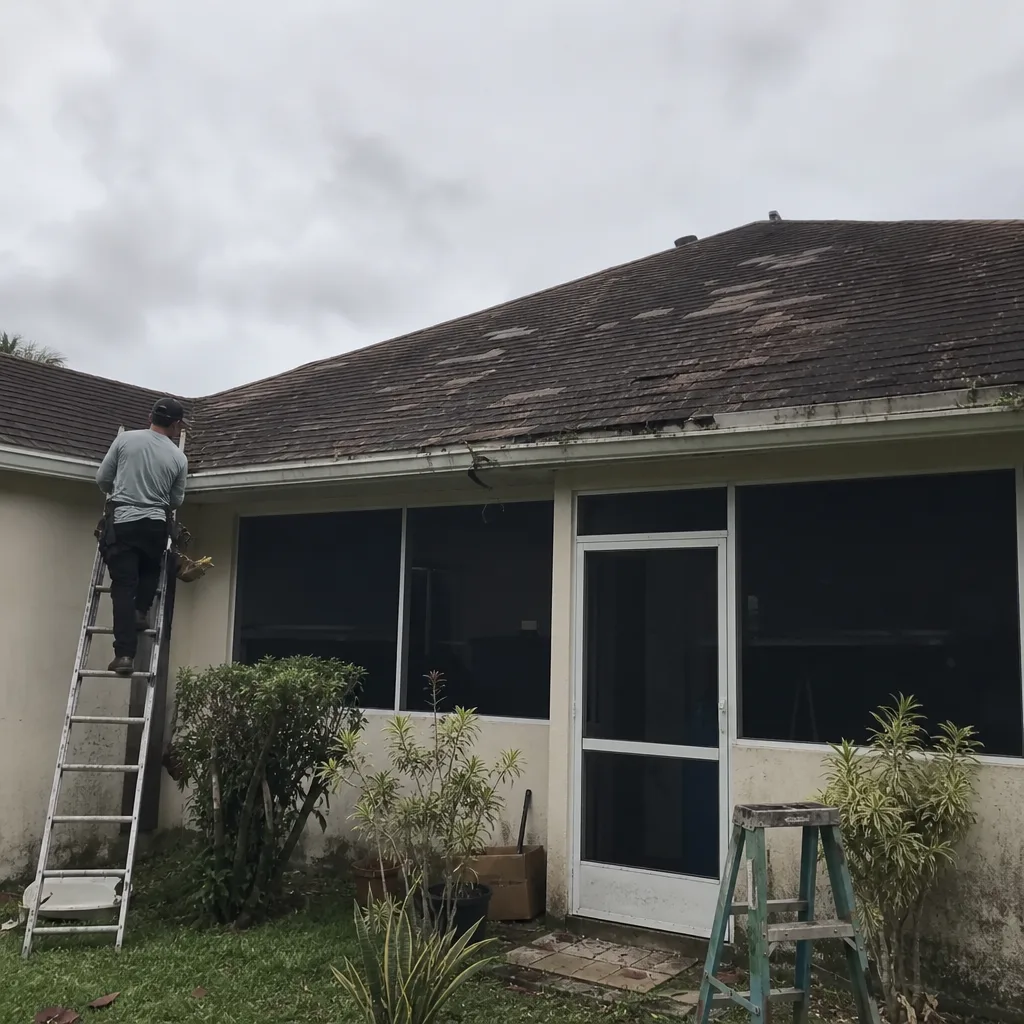 Before
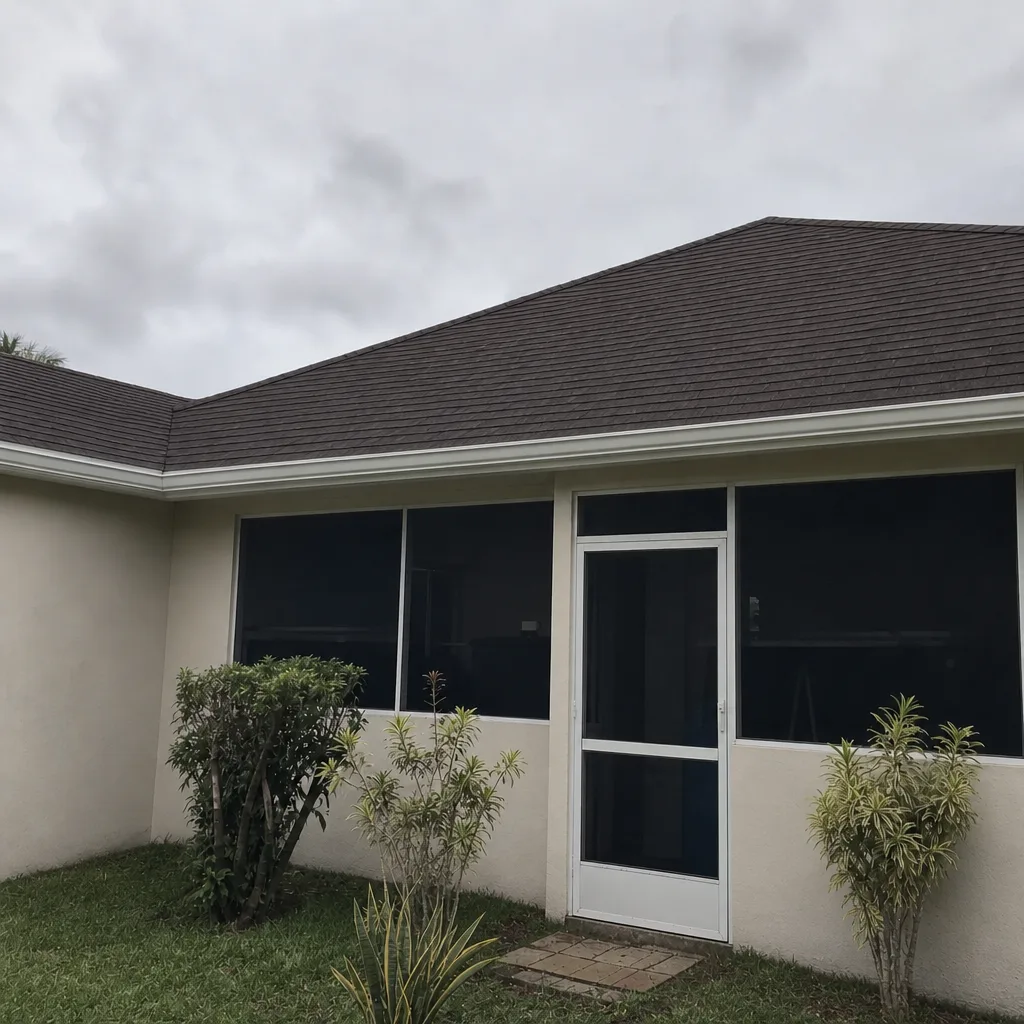 After
When to Call a Professional
Some questions are best answered on the roof rather than online. Call a professional if you’re seeing staining that’s spreading, granules accumulating in gutters, shingles that look lifted or curled, daylight or damp spots in the attic, or a ceiling spot that keeps returning after a patch. Call if you’re getting quotes and want an independent assessment of what the roof actually needs before comparing brands. Call if a permit question is holding up the project and you need to know what your city requires. And call if you’re ready to move forward and want the inspection, spec comparison, and installation handled by the same team rather than juggling three contractors. Benchmark Roof Repair offers free estimates in Boca Raton – call (866) 942-9891 to schedule one. We answer 24/7, with fast dispatch from 7am to 7pm, Sunday through Friday. A call outside dispatch hours is booked into the next opening.
Frequently Asked Questions
There isn’t a single best brand – the right one depends on your roof’s exposure, your wind design load, and how much shade and sun each slope gets. Some homeowners are best served by GAF or CertainTeed’s premium lines for their algae and wind coverage; others find Owens Corning or another manufacturer fits their reflectance and color preferences better. Compare at least two or three brands on the specs that matter, verify Florida Product Approval, and decide on the recommendation from an inspection. Call (866) 942-9891 and we’ll walk you through options – estimates are free.
Not on its own. The mph figure on a warranty is usually a maximum that applies only when the shingle is installed to the manufacturer’s qualifying standard, with the right fasteners, accessories, and underlayment. A 130 mph warranty on a roof installed with a shortcut is worth less than a lower-rated warranty installed correctly. Ask your contractor what the qualifying installation requires and confirm it’s in the written scope. Call (866) 942-9891 to have us review your roof’s specs.
Ask for the product’s Florida Product Approval number, then verify it in the state’s product approval database and confirm the product name, model, and application match your project. Your building department will review the approval during permitting, so catching a mismatch early saves time. Every product on your quote should be approved for the slope and attachment method being used. Call (866) 942-9891 if you need help checking before you order.
It can be, depending on your attic and ventilation. Higher reflectance means less heat absorbed by the roof and less load on your air conditioning over the roof’s life, but the benefit shrinks if your attic is well-ventilated and insulated. If you’re comparing product lines and one offers a meaningful reflectance advantage in a color you like, the upgrade is worth considering. We’ll lay out the trade-offs during your free estimate – call (866) 942-9891.
Not on a properly scoped job. We provide written line-item quotes, and the price is set per job by that written estimate – no change orders once work begins unless you request a change. If a hidden problem is discovered during tear-off, we stop, document it, and come back to you before anything else is installed. That’s the point of a documented inspection baseline before the work is scoped. Call (866) 942-9891 for an exact quote; estimates are free.
Most architectural shingles are rated for a multi-decade service life, though actual lifespan in Boca Raton depends on the product line, installation quality, attic ventilation, and how much sun and shade each slope gets. A roof installed with the right wind detail, proper ventilation, and verified product approval tends to reach closer to its rated life than one installed with shortcuts. Getting the inspection and spec comparison right upfront is the biggest single factor. Call (866) 942-9891 to get started.
The Bottom Line
Brand choice should follow the roof, not lead it. Start with an inspection that documents what the roof actually needs, then compare at least two or three manufacturers on the specs that drive performance in Boca Raton: wind warranty and its qualifying installation, algae resistance for shaded and humid-prone areas, solar reflectance for attic heat, and Florida Product Approval for legality. Read the actual warranty documents, not the brochures. Decide on premium warranty tiers last, after the base material is right. A roofer who works across seven major brands can recommend on fit; one locked into a single line is recommending on inventory. If you want that comparison done for your roof, Benchmark Roof Repair offers free estimates – call (866) 942-9891. We answer 24/7. Fast dispatch from 7am to 7pm, Sunday through Friday.
Written by the team at Benchmark Roof Repair.