
Last updated November 15, 2026
 Architectural shingles
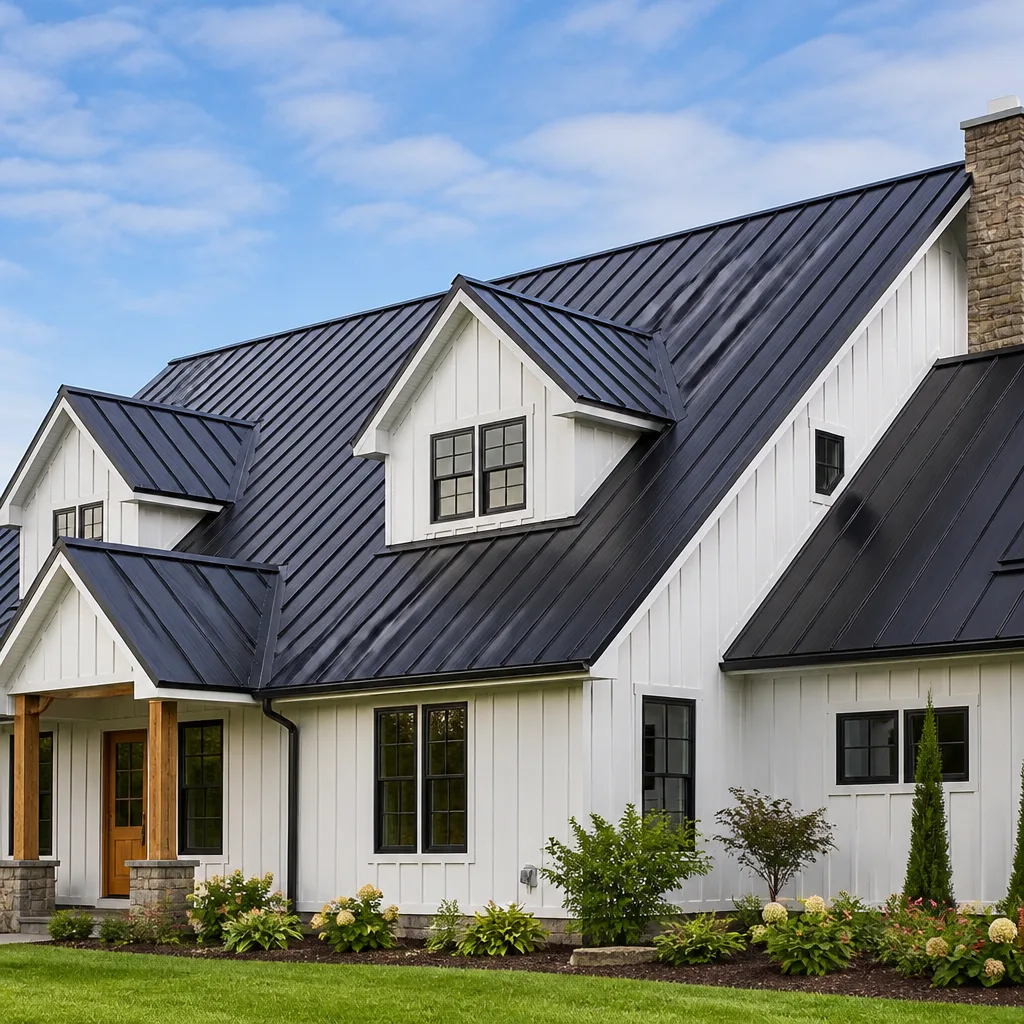 Metal roofing
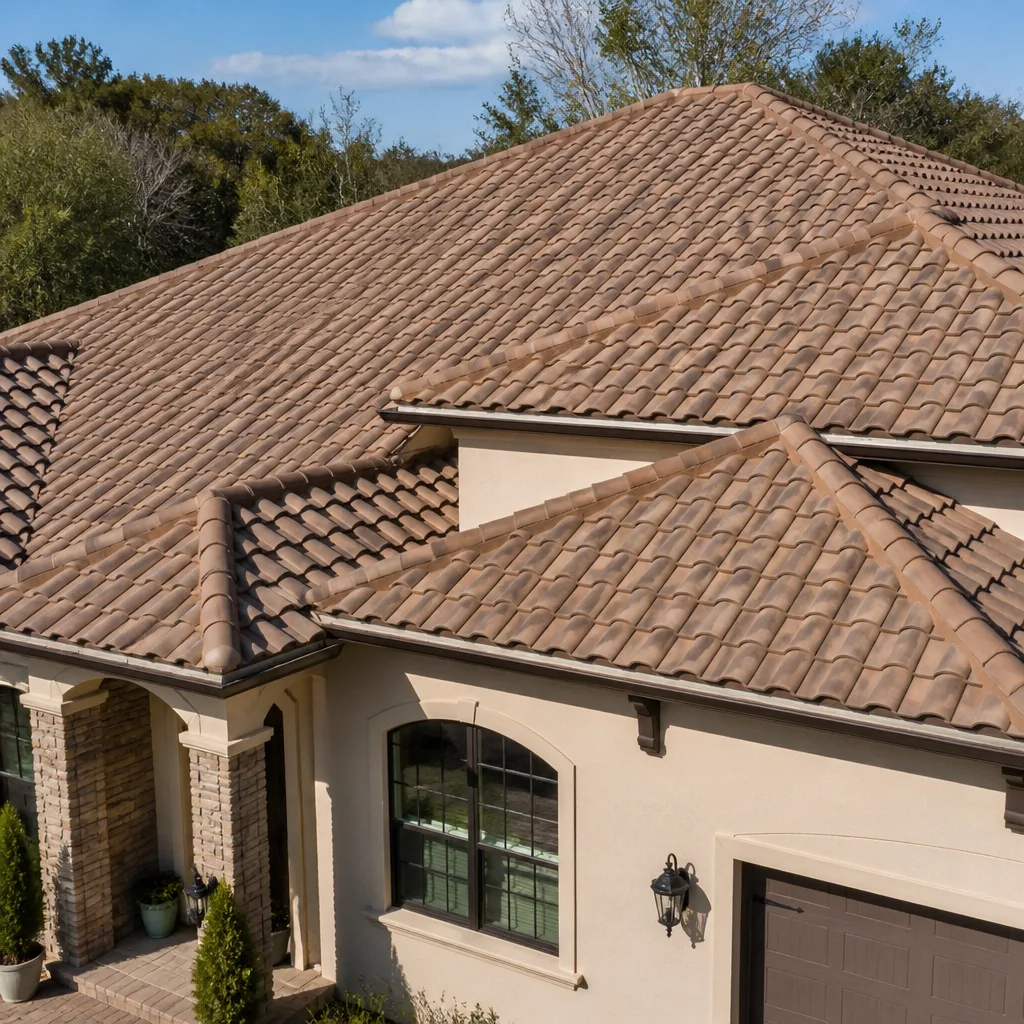 Tile roofing
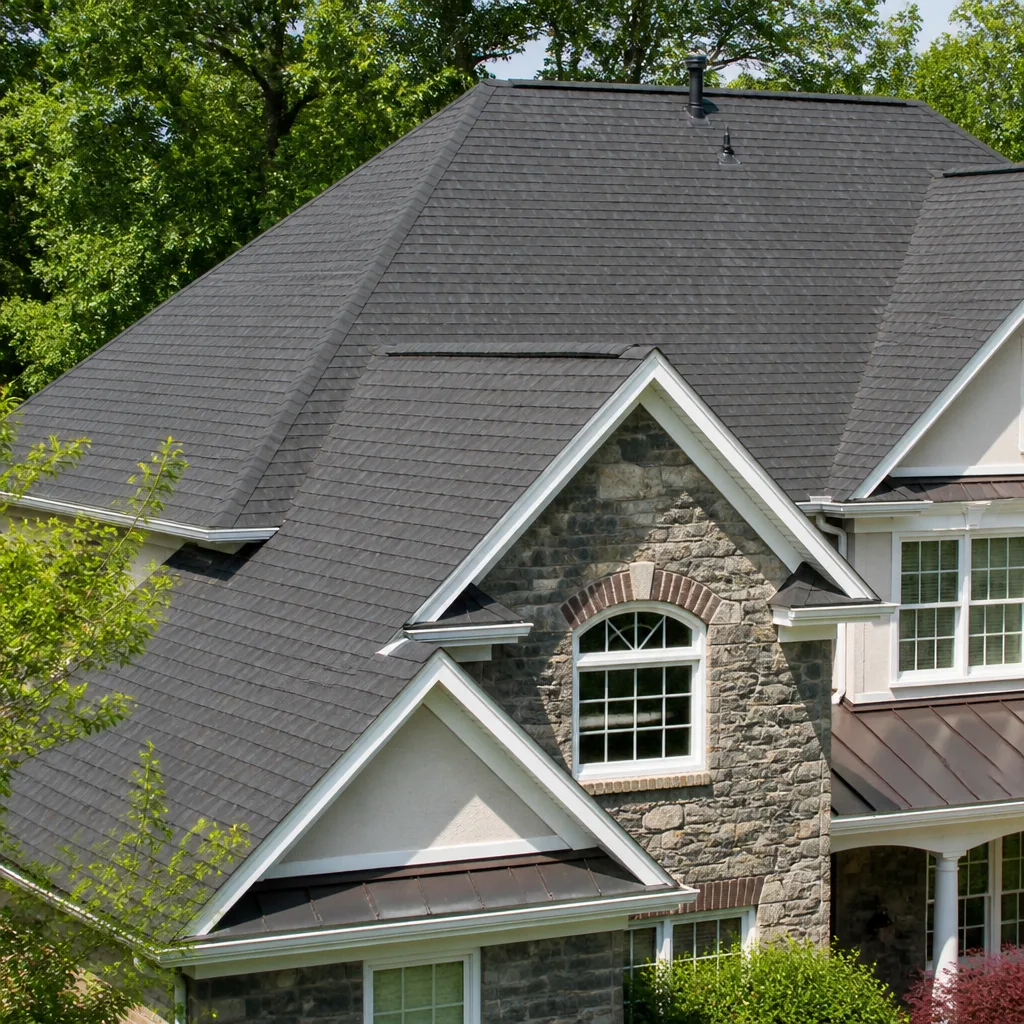 GAF
 Owens Corning
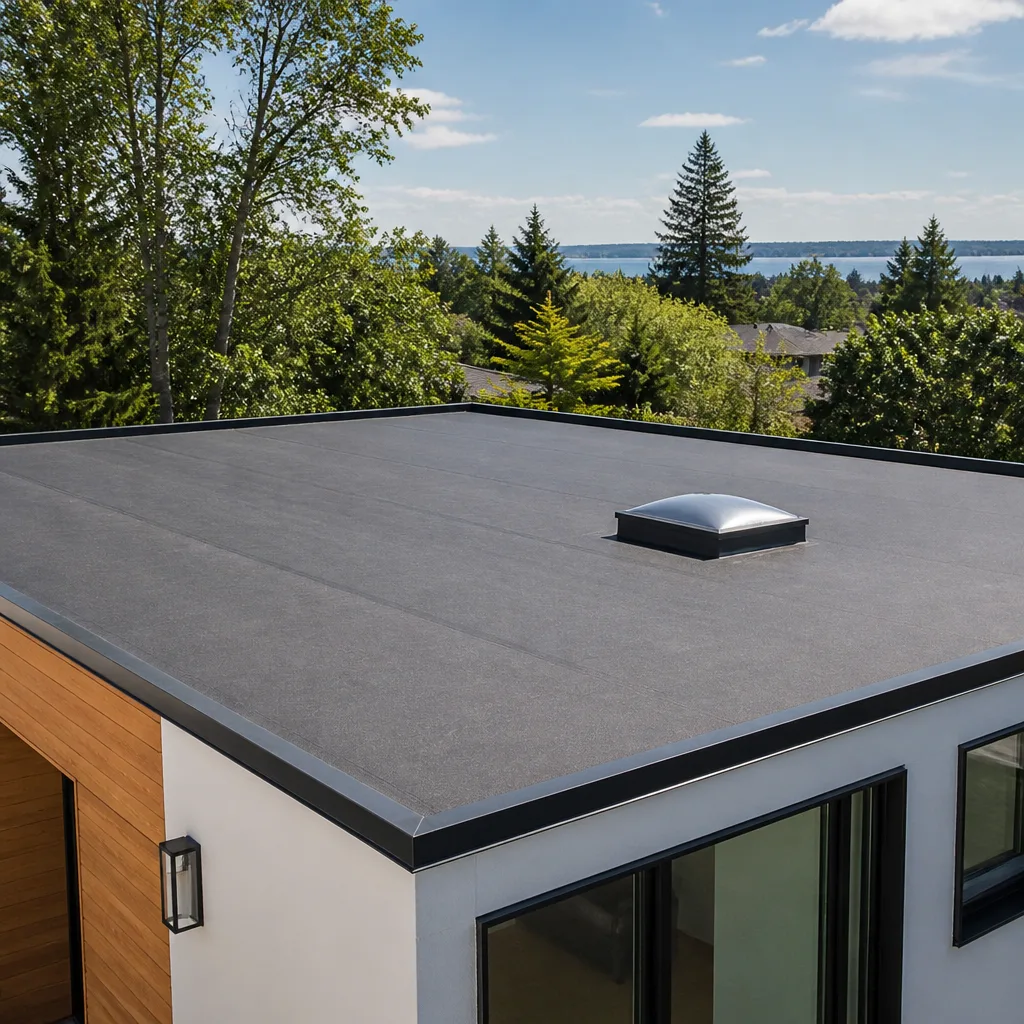 Flat & low-slope
Free roof inspection with deck photos before we talk money - GAF and Owens Corning certified installation
Roof Repair Maintenance Checklist for Boca Raton Homeowners
Most roof damage in Boca Raton doesn’t happen while the wind is howling. It happens in the quiet days afterward, when a lifted shingle or a torn ridge cap sits unnoticed and water works its way into the decking one rainstorm at a time. The generic seasonal checklist you’ll find elsewhere was written for a four-season climate and misses the two events that actually matter here: the run-up to hurricane season and the recovery window after a storm passes. This guide sequences your maintenance around those anchors, separates what you can safely check yourself from what needs a licensed contractor, and shows you how to keep a log that holds up when you file a claim.
Quick Answer
A Boca Raton roof maintenance checklist should be built around hurricane season, not the calendar quarters. Before June, inspect flashing, soffit fasteners, ridge caps and attic ventilation; after any tropical system, do a ground-level visual assessment, check the attic for pinhole light and moisture, and photograph everything before you touch it. Year-round, manage algae, palm frond abrasion and vegetation-clogged drainage, and log every inspection so your documentation supports both insurance claims and manufacturer warranty terms.
Styles & brands we work with
- Architectural shingles
- Metal roofing
- Tile roofing
- GAF
- Owens Corning
- Flat & low-slope
Table of Contents
- Why This Checklist Is Sequenced Around Storms, Not Seasons
- The May Pre-Hurricane Season Checklist
- The Post-Storm Inspection Protocol
- Year-Round South Florida Items
- What You Can Check vs. What Requires a Licensed Contractor
- Building a Roof Maintenance Log That Protects You
- Why a Documented Inspection Is the Smart Starting Point
Why This Checklist Is Sequenced Around Storms, Not Seasons
Traditional roof maintenance advice is organized by the four seasons because it was written for places that have four seasons. Boca Raton has a wet season and a drier season, and layered on top of that is the Atlantic hurricane season running from the start of June through the end of November. The practical consequence is that the highest-risk weeks for your roof cluster into two windows: the weeks before landfall season begins, and the days immediately after any tropical system moves through.
During a storm, there’s very little you can do but wait. The damage that compounds is the damage that’s left alone afterward. A shingle field that took a glancing blow may look intact from the driveway but have broken sealant strips that let the next afternoon thunderstorm peel it back. A ridge cap may be cracked in a way that only shows as a damp stain on the ceiling weeks later. The 72 hours after a storm are when a homeowner’s decisions either contain the problem or let it grow, and that’s exactly why this checklist puts the post-storm protocol front and center rather than buried under “spring maintenance.”
How the two anchors work together
The pre-season work reduces how much damage a storm can do in the first place. The post-storm work catches what got through and documents it properly for insurance. Everything else on this list, from algae treatment to palm frond abrasion, is the steady background maintenance that keeps the roof in condition to survive both. When we talk with homeowners across Boca Raton about Benchmark Roof Repair, the conversation usually starts with one of these two anchors, and the rest of the checklist follows from there.
The May Pre-Hurricane Season Checklist
The month of May is your last clean window to fix small problems before the wet season and storm season overlap. This is a ground-level and, where safe, from-a-ladder-at-the-edge checklist. Anything that requires walking the roof surface should go to a professional. Here’s the sequence we recommend for Boca Raton homeowners each May:
- Inspect flashing integrity at every penetration and transition. Look at the metal around chimneys, vent stacks, skylights and where roof planes meet walls. Flashing is where most leaks start, and it’s the first thing wind-driven rain finds. Check for lifted edges, cracked sealant and rust.
- Check soffit fasteners along the eaves. Soffit panels that have worked loose can be pulled free by wind entering the attic. Walk the perimeter and look for sagging or gaps.
- Examine the ridge cap condition. The ridge is the most wind-exposed part of the roof. Cracked or missing cap shingles should be repaired before season, not after.
- Clear attic ventilation. Blocked soffit vents or a clogged ridge vent trap heat and moisture and shorten shingle life. Make sure insulation isn’t pressed against the underside of the roof deck at the eaves.
- Remove debris from the roof surface and drainage paths. Palm fronds, seed pods and leaf litter hold moisture against shingles and block water from draining away.
- Trim overhanging branches. Limbs that scrape the roof in wind abrade the shingle surface and can punch through during a storm.
If any of these checks turns up something you can’t safely address, a roof repair visit in May is far less disruptive than one in September. Doing this before the season starts is the whole point.
The Post-Storm Inspection Protocol
This is the section most checklists skip, and it’s the one that matters most in Boca Raton. After any tropical system passes, work through this protocol in order. Do the ground-level assessment first, before you climb anything, and document with photos as you go.
Step 1: Safe visual assessment from ground level
Walk the perimeter of the house and look up. You’re checking for missing, lifted or creased shingles, displaced ridge caps, dented or displaced flashing, granules piled in gutters or at downspout outlets, and any part of the roof that looks visibly out of plane. Use binoculars if you have them. Do not walk the roof after a storm; wet shingles are slick, and a roof that’s been stressed can have soft spots you can’t see.
Step 2: Interior attic check
Go into the attic with a flashlight during daylight. Look for pinhole light coming through the roof deck, which tells you a fastener or shingle is compromised. Check for active drips, damp decking, water stains on rafters, and any musty smell. Moisture that reaches the deck shows up here before it reaches your ceiling.
Step 3: Photo documentation
Photograph everything you find, from the ground and in the attic, with something in frame for scale and a note of the date. Insurers want evidence of the condition and the timeline. Photos taken before repairs begin are worth far more than photos taken after.
Year-Round South Florida Items
Between the two storm anchors, a Boca Raton roof deals with heat, humidity, intense sun and a lot of vegetation. These items don’t follow a season; they follow what you observe.
- Algae and lichen on shingles. The dark streaks you see on asphalt roofs are usually algae feeding on limestone filler in the shingle. In this humidity it spreads. Treat it carefully: pressure washing shingle roofs removes the protective granules and is one of the fastest ways to void a manufacturer’s warranty. A gentle treatment or a professional assessment is the safer route.
- Palm frond abrasion zones. Palms are everywhere in Boca Raton, and fronds that rest or scrape on a roof wear through the shingle surface over time. Identify where fronds contact the roof and keep them trimmed back.
- Gutters clogged by tropical vegetation. Seed pods, fronds and leaf litter fill gutters fast here. When gutters back up, water backs up under the roof edge and into the fascia. Clear them after major wind events and check them several times through the wet season.
- Granule loss. Some granule loss is normal, but heavy accumulation in gutters signals a shingle field near the end of its service life.
- Attic heat and ventilation. A hot, poorly ventilated attic shortens shingle life from underneath. Verify vents are clear year-round.
If several of these show up at once, it may be time to weigh repair against replacement. We cover that decision in more detail on our roof replacement page.
What You Can Check vs. What Requires a Licensed Contractor
This is where a lot of checklists get homeowners into trouble. There’s a real line between inspecting and repairing, and in Florida that line usually runs along licensing and safety. Knowing which side of it you’re on protects both your roof and your insurance position.
What you can reasonably do yourself
- Ground-level visual inspections with binoculars
- Attic checks for light, moisture and stains
- Clearing debris from gutters and drainage paths, from the ground or a stable ladder
- Trimming vegetation away from the roof
- Photographing and logging conditions
- Keeping a maintenance record
What requires a licensed contractor
- Any work on the roof surface itself, including replacing shingles, flashing or ridge caps
- Roof-to-wall and penetration flashing repairs
- Anything involving the structural deck
- Full roof replacement, which in Florida involves permitting and inspection by the local building department
- Assessing storm damage that may become an insurance claim
Florida has specific licensing requirements for roofing contractors, and a repair done without the right license can complicate an insurance claim and a manufacturer warranty. When you have a question about which side of the line you’re on, an honest inspection answers it. That’s the reasoning behind our standalone inspection service: know before you spend.
Building a Roof Maintenance Log That Protects You
A maintenance log is the single most useful document a Boca Raton homeowner can keep about their roof, and almost nobody does it. Manufacturers condition their product warranties on proper installation and, in many cases, on documented maintenance. Insurers weigh documentation heavily when a storm claim is filed. A simple log serves both.
What to record
- The date of every inspection, whether you did it or a professional did
- What you observed, in plain language, with photos attached
- Any repairs completed, who did them and what materials were used
- Manufacturer and product line of the existing roof, if you know it
- Dates of any work that required a permit, and the permit number
The manufacturer of your shingles matters here. Programs from brands like GAF, CertainTeed, Owens Corning, IKO, Atlas, Tamko and Boral each have their own warranty terms, and keeping the product paperwork alongside your log is what lets you make a claim if you ever need to. It’s also why we work across seven of the industry’s leading shingle brands: the right material for your roof, rather than whatever a single supplier carries. Over time, the log becomes a record of the roof’s condition and care, which is exactly what an insurer or a manufacturer wants to see.
Why a Documented Inspection Is the Smart Starting Point
Every checklist is easier to follow when you know your starting point. A one-time documented inspection gives you that baseline: a record of the roof’s current condition before the next season, before the next storm, and before the next claim. It also tells you which items on this list are urgent and which can wait.
Our technicians have up to 15 years of experience assessing roofs across Boca Raton, and we walk a roof the same way whether it’s a repair we’ll handle or a replacement we’ll recommend. From inspection to installation, we’re the same contractor, so the scope can change without a second company stepping in. If the report says repair, we repair; if it says replace, you’ll get a written line-item estimate before anything is decided. Either way, the inspection produces the document your maintenance log has been waiting for. Start with the baseline, and the rest of the checklist falls into place.
Common Mistakes to Avoid
- Skipping the post-storm check because the roof “looks fine.” Most storm damage in Boca Raton is invisible from the driveway. Lifted sealant strips and cracked ridge caps only announce themselves on the next rainy afternoon. Do the attic and ground-level checks every time.
- Walking the roof after a storm. Wet shingles and undetected soft spots are a serious fall hazard. Ground-level and attic inspections give you most of the information you need without setting foot on the surface.
- Pressure washing shingles to remove algae streaks. The spray strips the protective granules and can void manufacturer warranty terms. Treat algae gently or have it assessed.
- Failing to photograph damage before repairs. Once a repair is made, insurance has nothing to evaluate. Document first, then fix.
- Repairing storm damage without checking for permit requirements. Many repairs need a permit and inspection in Florida. Unpermitted work can complicate claims and resale.
- Not keeping any maintenance record. Without a log, a warranty or claim discussion becomes a matter of memory. Keep the dates and photos.
- Assuming the first quote is the whole picture. If the scope isn’t described clearly, ask for a written line-item estimate before committing.
See the difference
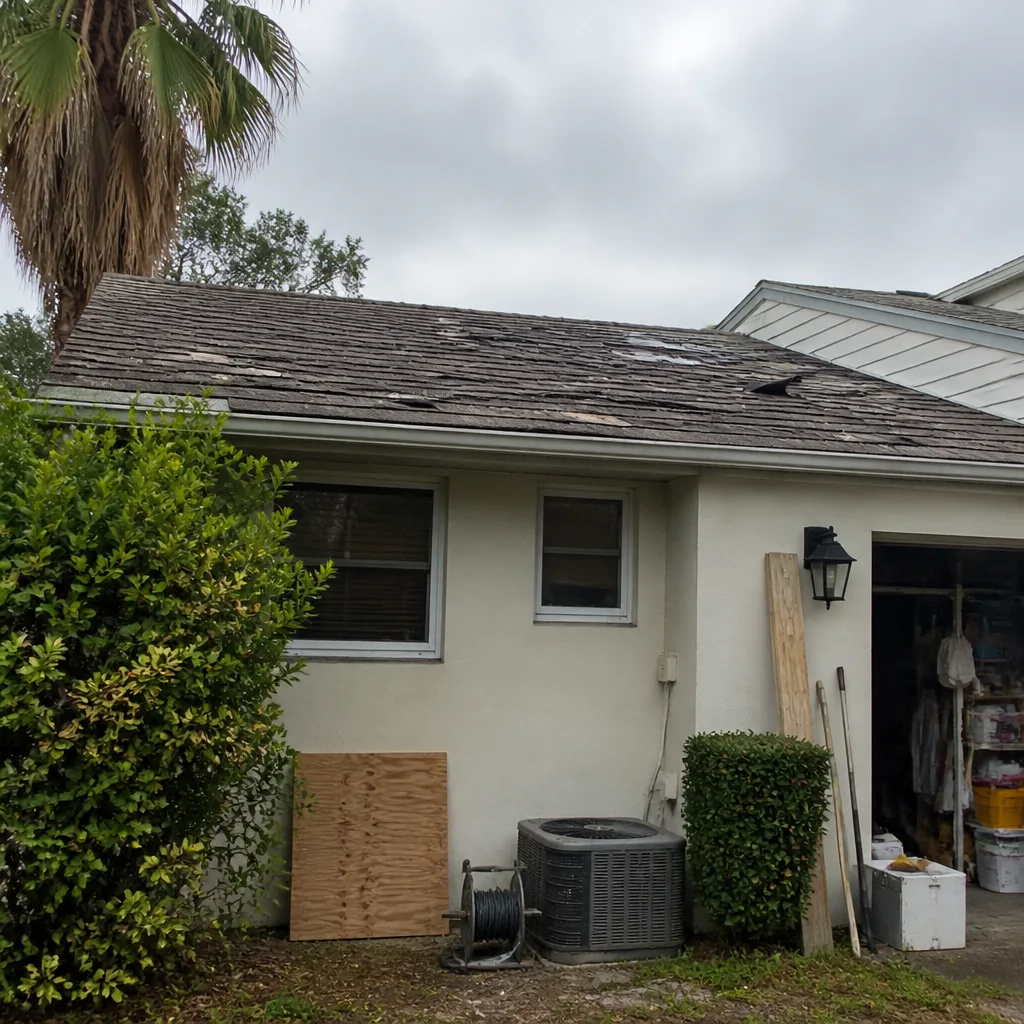 Before
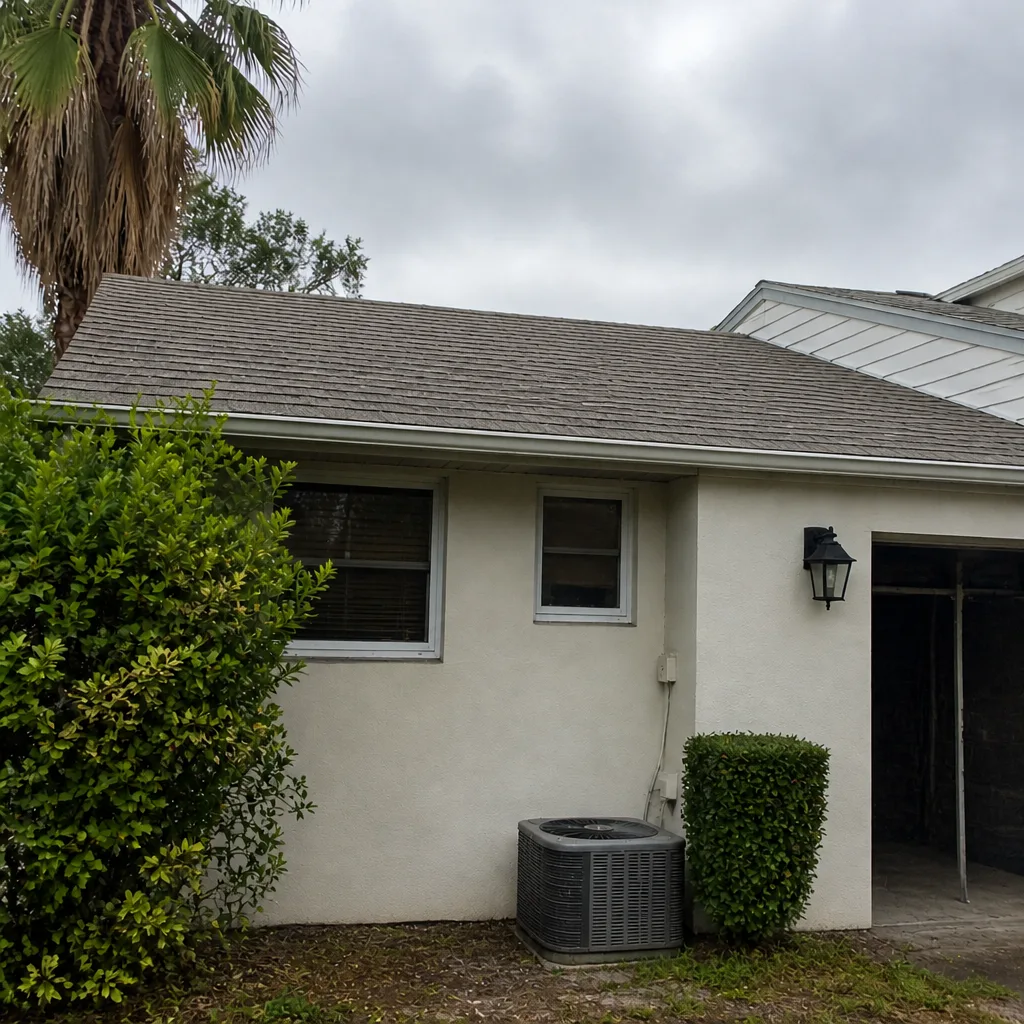 After
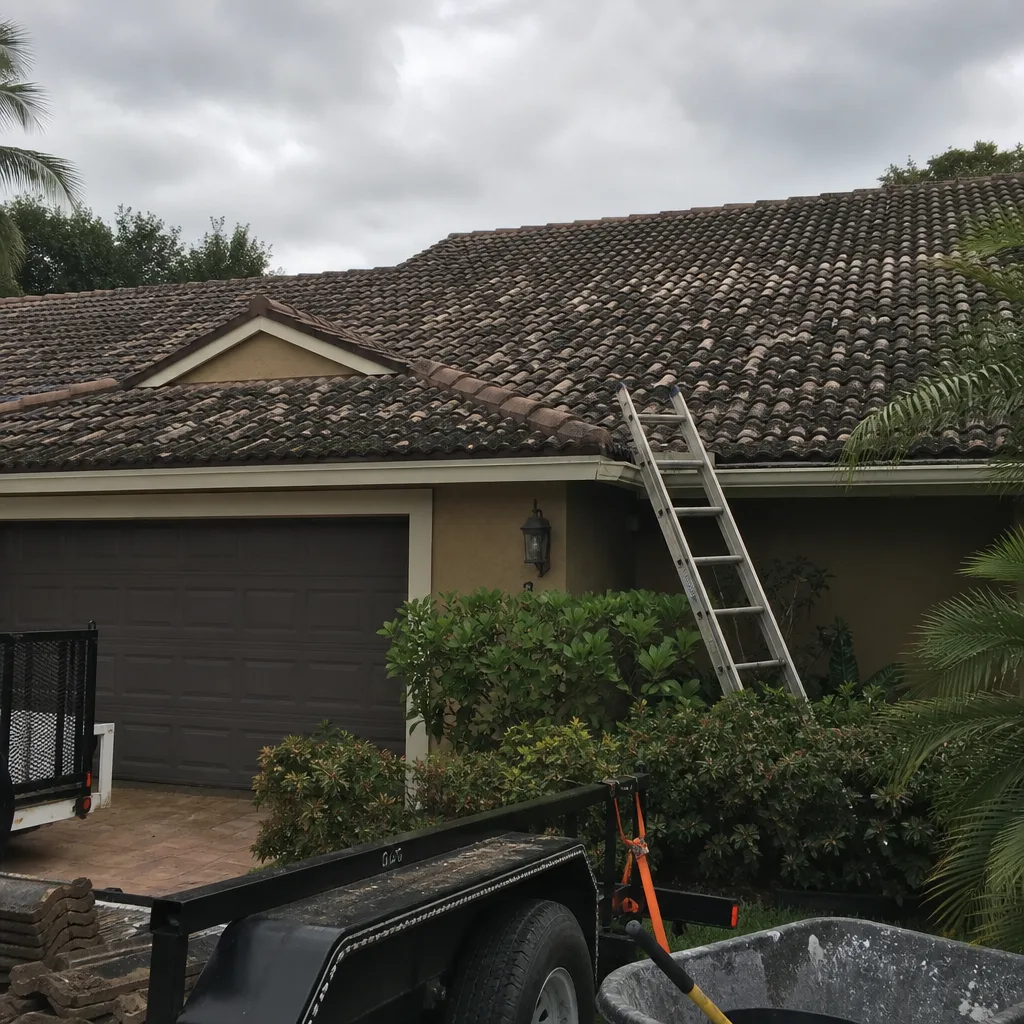 Before
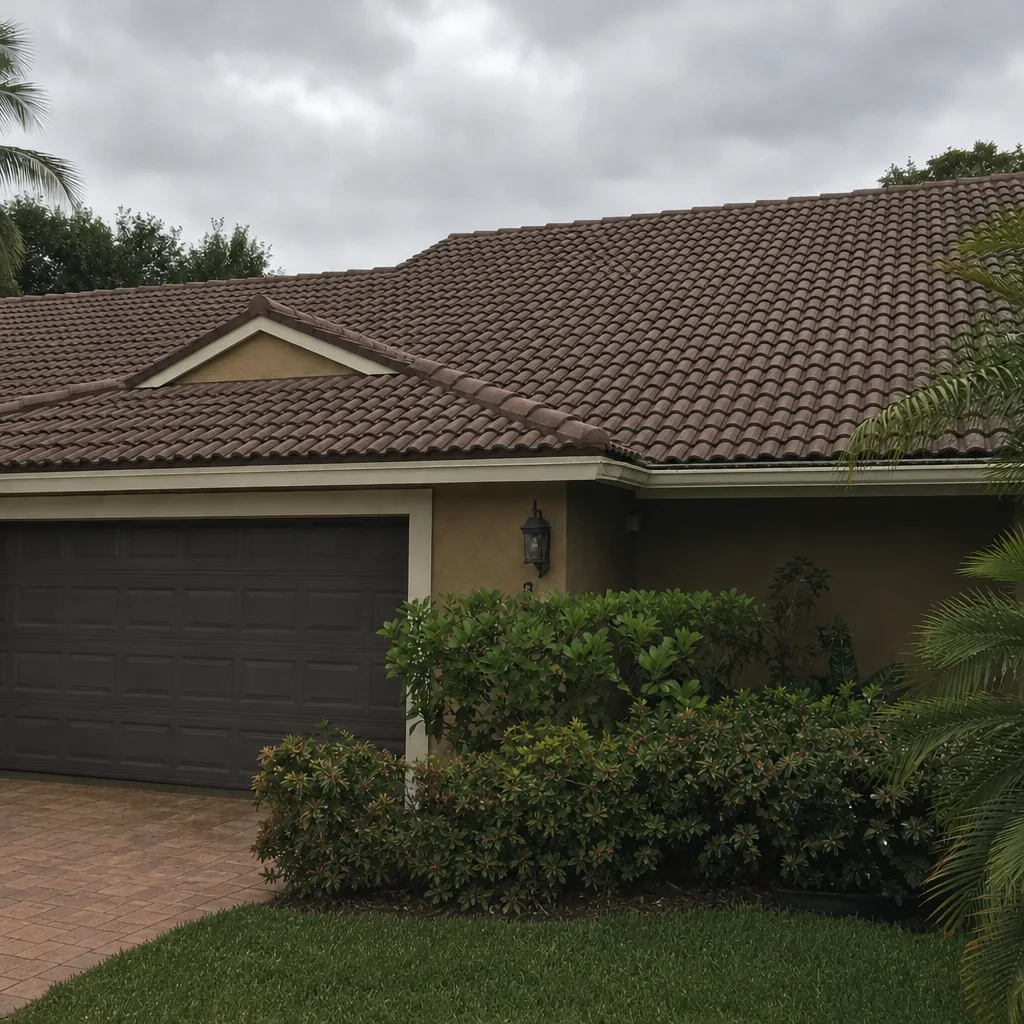 After
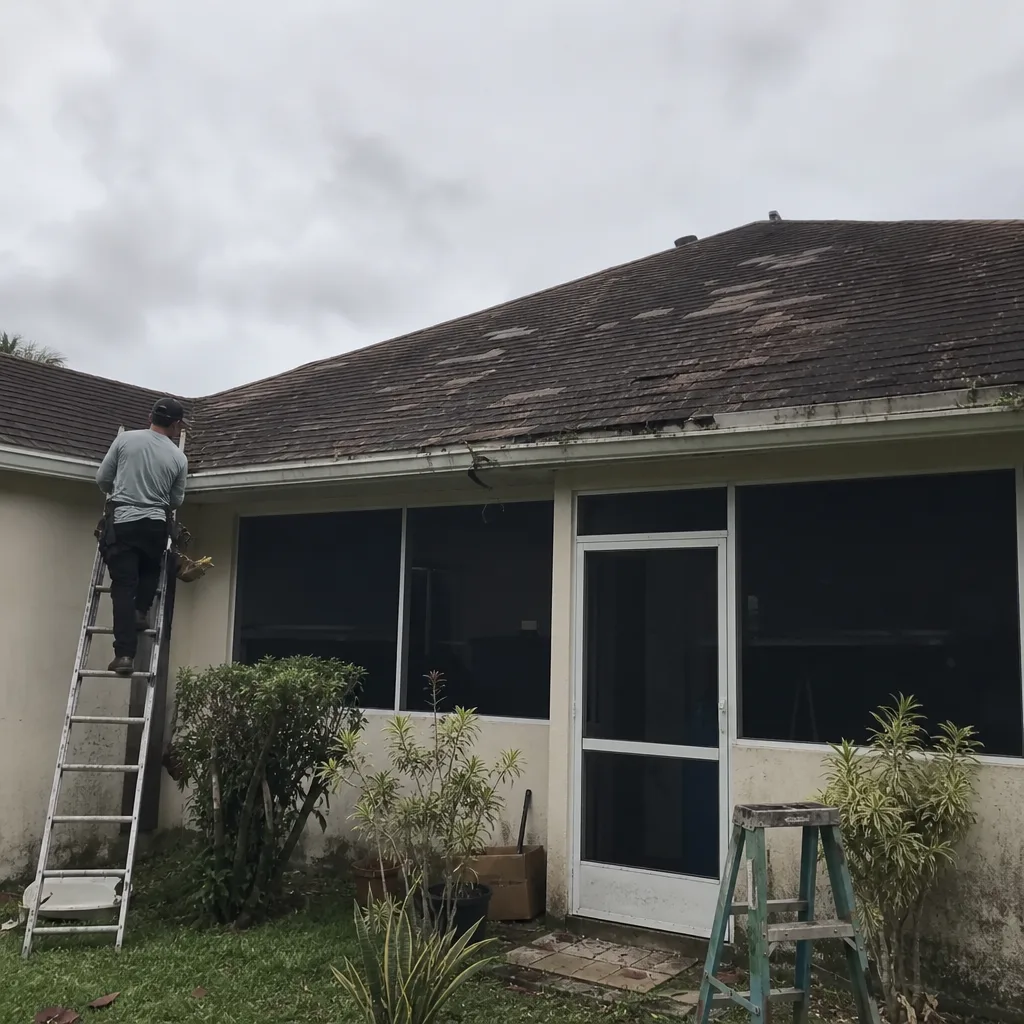 Before
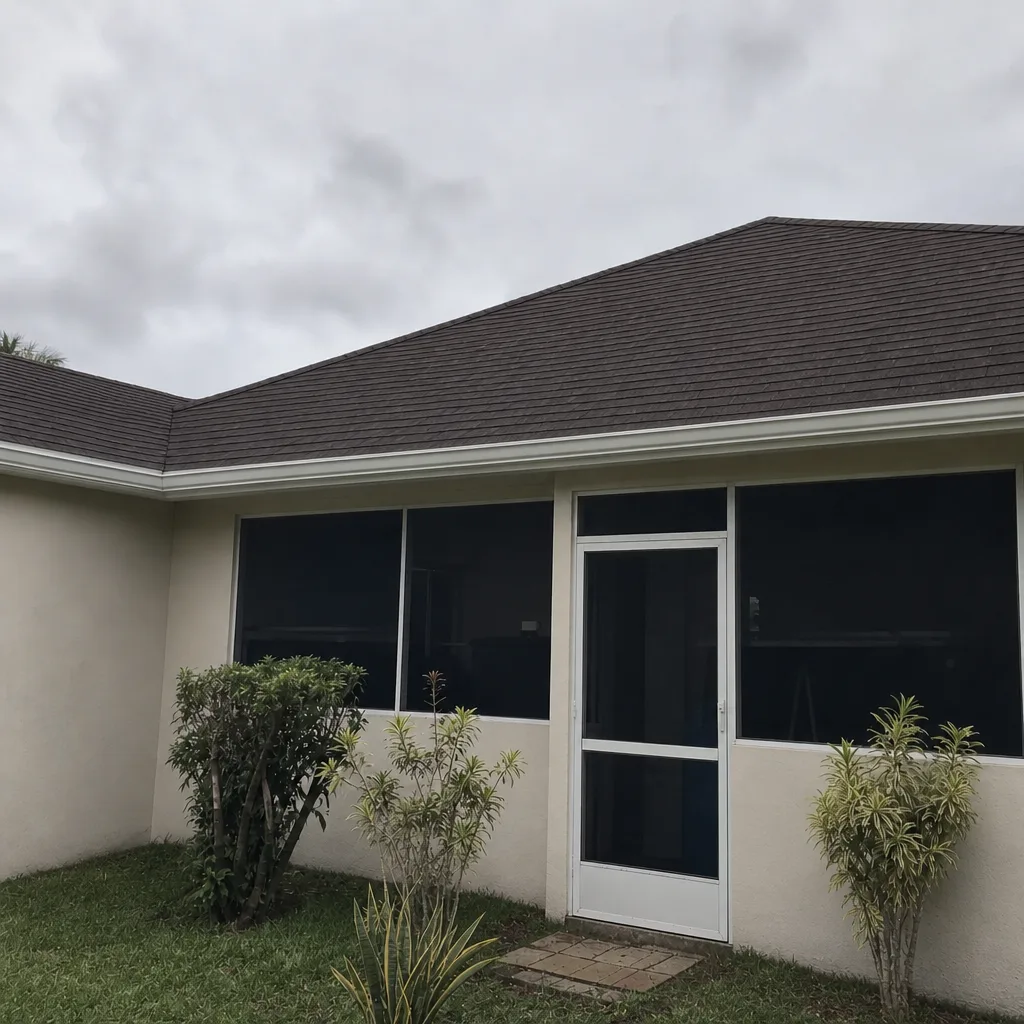 After
When to Call a Professional
Some items on this checklist belong to you; others belong to a licensed contractor. Call a professional when you find pinhole light or active moisture in the attic, when flashing is lifted or cracked, when a ridge cap is missing, when shingles are visibly lifted or creased after a storm, when algae has spread across a large area of the roof, or when any item requires work on the roof surface itself. Also call when you’re not sure: a documented inspection is the honest way to find out whether you need a roof repair or a full roof replacement. Benchmark Roof Repair offers free estimates in Boca Raton. Call (866) 942-9891. We answer 24/7. Fast dispatch from 7am to 7pm, Sunday through Friday.
Frequently Asked Questions
At minimum, once before hurricane season in May and once after any tropical system passes. In our experience, roofs here also benefit from a mid-season look at the year-round items like algae and palm frond abrasion. A documented inspection gives you a record you can use for both insurance and manufacturer warranty purposes.
Start at ground level and check for missing, lifted or creased shingles, displaced ridge caps, dented flashing and granule piles in gutters, using binoculars if possible. Then go into the attic and look for pinhole light, damp decking and water stains. Photograph everything before repairs begin. Call (866) 942-9891 for a documented inspection if anything looks off.
No. Pressure washing strips the protective granules from asphalt shingles, which shortens the roof’s life and can void manufacturer warranty terms. A gentle treatment or a professional assessment is the safer approach. Call (866) 942-9891 for an inspection and a recommendation.
Yes. Insurers weigh documentation heavily when a storm claim is filed, and manufacturers condition product warranties on proper installation and, in many cases, documented care. Dates, photos, repairs and the existing shingle line all matter. Keep the product paperwork with the log.
Many repairs in Florida require a permit and inspection by the local building department, and roof replacements almost always do. A licensed contractor pulls the permit and manages the inspection. We pull permits and pass inspections as part of every job that requires one. Call (866) 942-9891 for a free estimate on what your roof needs.
Heavy granule loss in gutters, widespread algae, multiple leaks appearing in different areas, sagging or visibly aged shingles, and repeated repairs in the same area usually point toward replacement. A documented inspection settles the question. Call (866) 942-9891 for a free estimate and a written line-item scope.
The Bottom Line
The right way to maintain a Boca Raton roof is to anchor the calendar around hurricane season, not the four seasons. Do the May pre-season checklist on flashing, soffit fasteners, ridge caps and attic ventilation. Run the post-storm protocol every time, starting at ground level, moving into the attic, and photographing before repairs. Between those two anchors, manage algae, palm frond abrasion and vegetation-clogged drainage, and keep a maintenance log that supports claims and warranty terms. Know which items are yours and which need a licensed contractor, and when in doubt, get a documented inspection first.
Benchmark Roof Repair handles inspection, repair and replacement as one contractor, across seven leading manufacturers including GAF, CertainTeed, Owens Corning, IKO, Atlas, Tamko and Boral, so the recommendation follows the roof, not a supplier agreement. If a storm has passed through and you’re not sure what you’re looking at, don’t wait for the next rain. Call (866) 942-9891 for a free estimate. We answer 24/7. Fast dispatch from 7am to 7pm, Sunday through Friday. We set the benchmark on every roof we touch in Boca Raton.
Written by the team at Benchmark Roof Repair.