
Last updated November 15, 2026
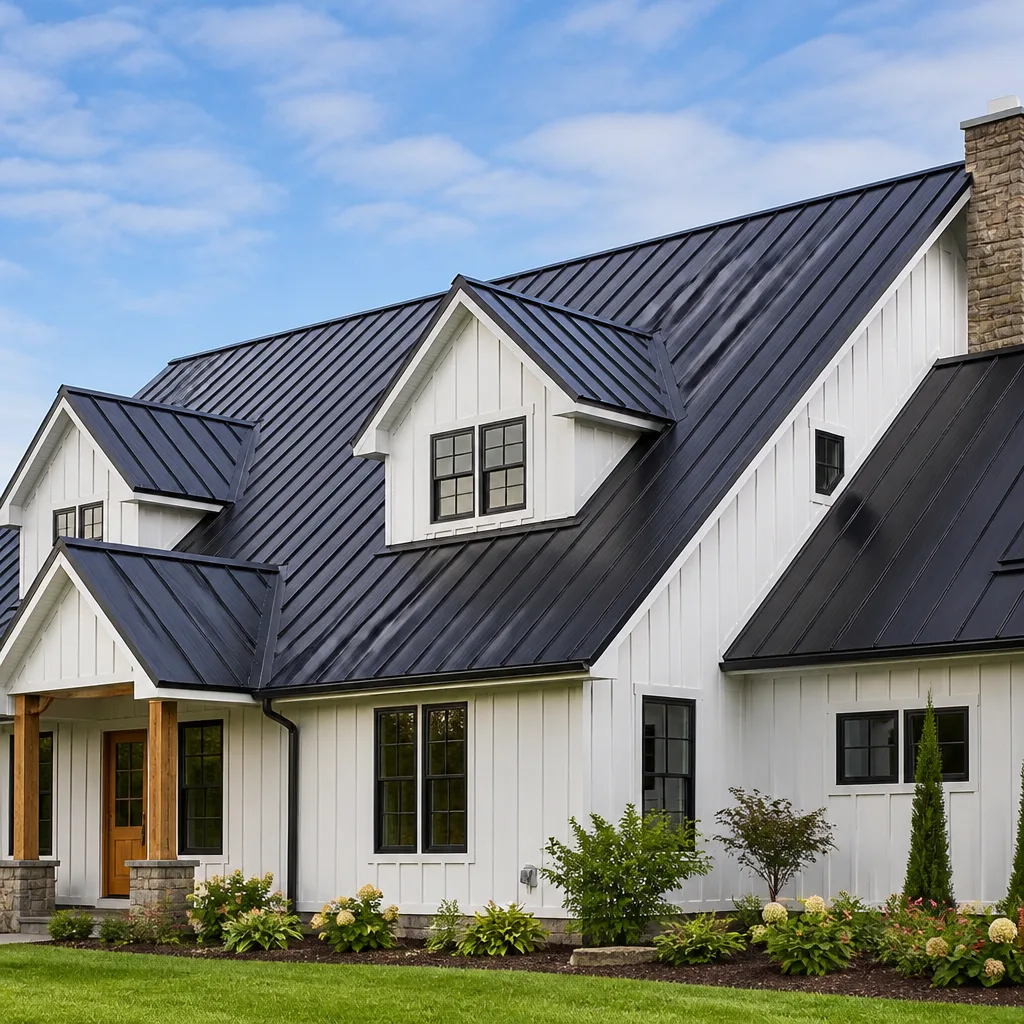 Metal roofing
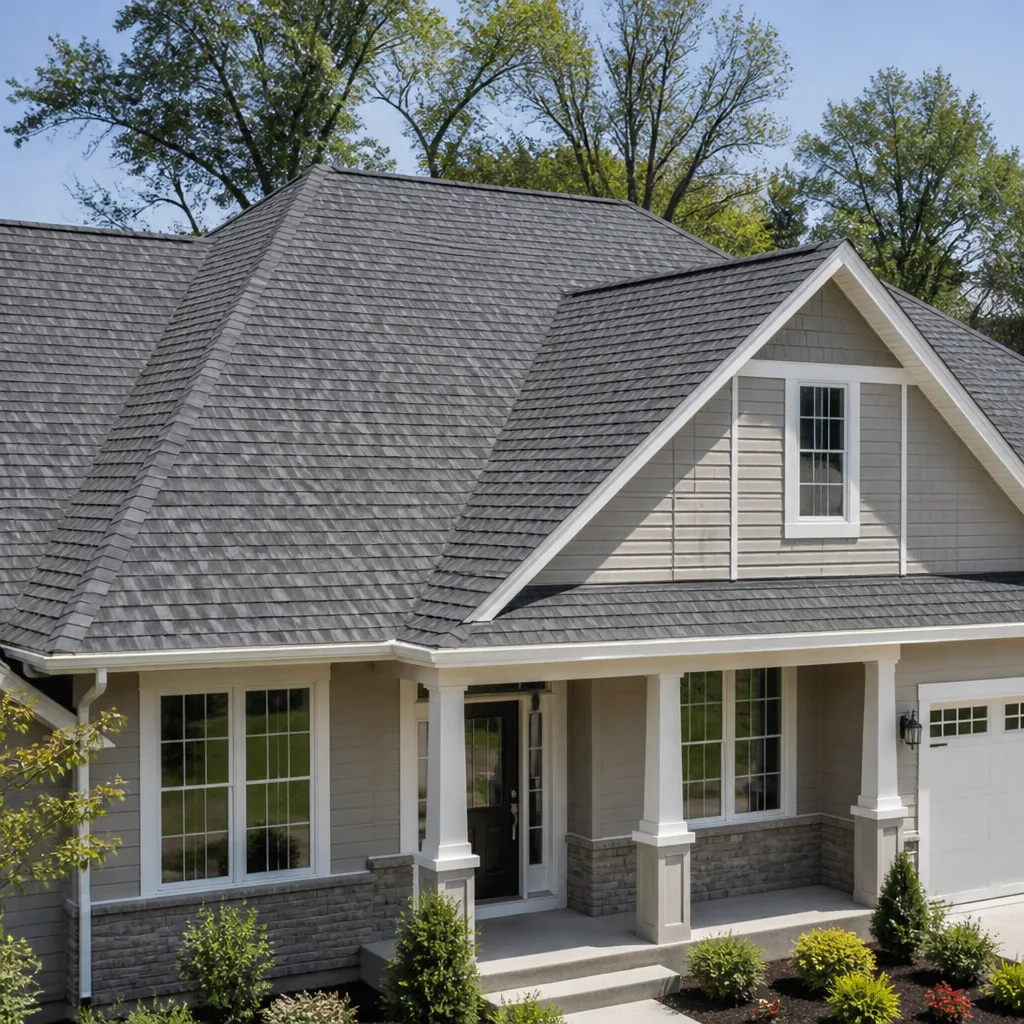 Architectural shingles
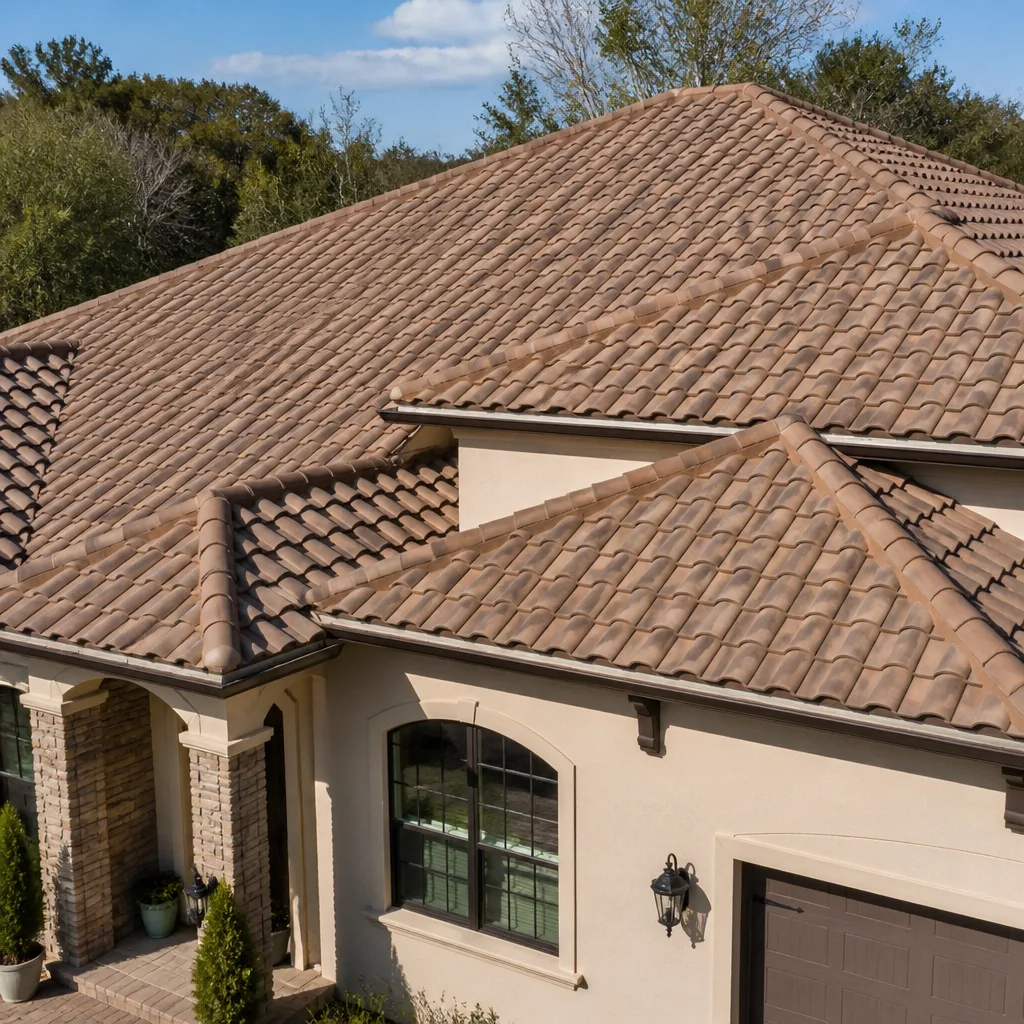 Tile roofing
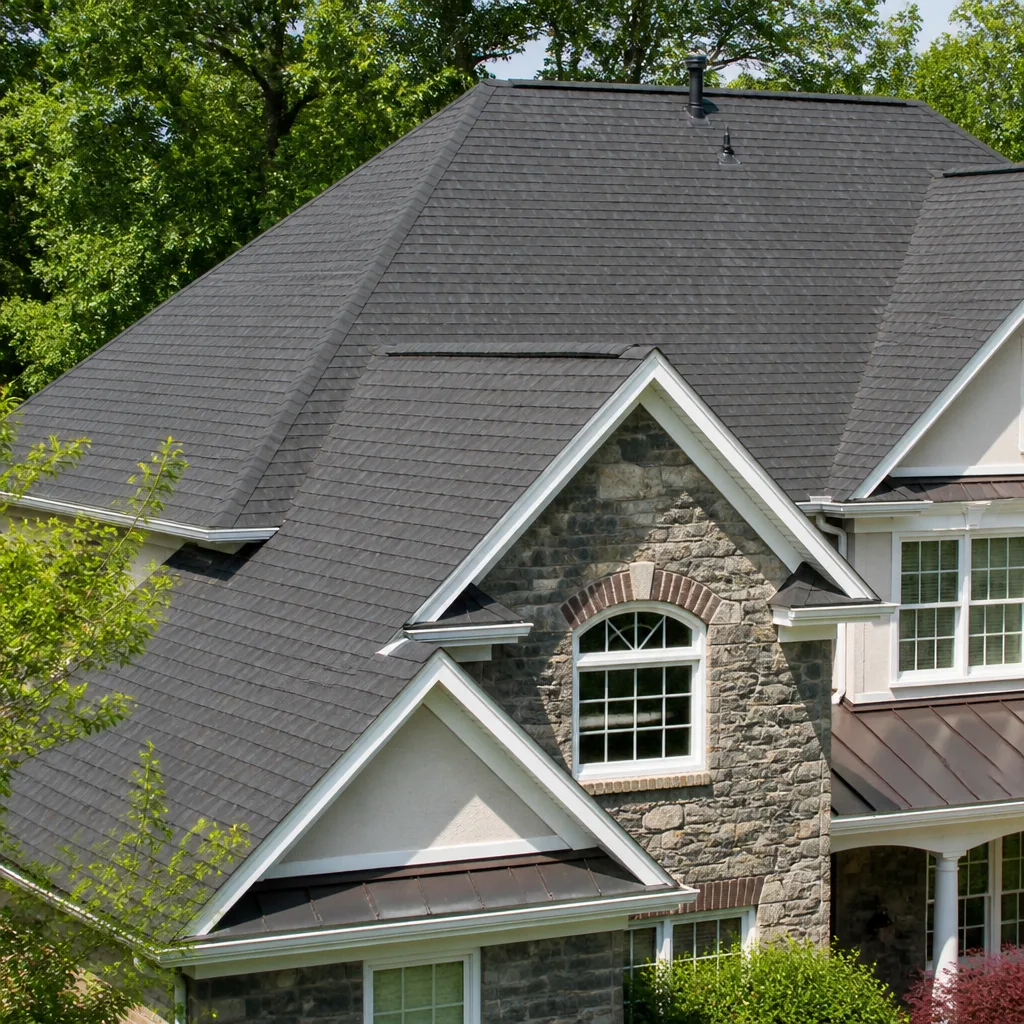 GAF
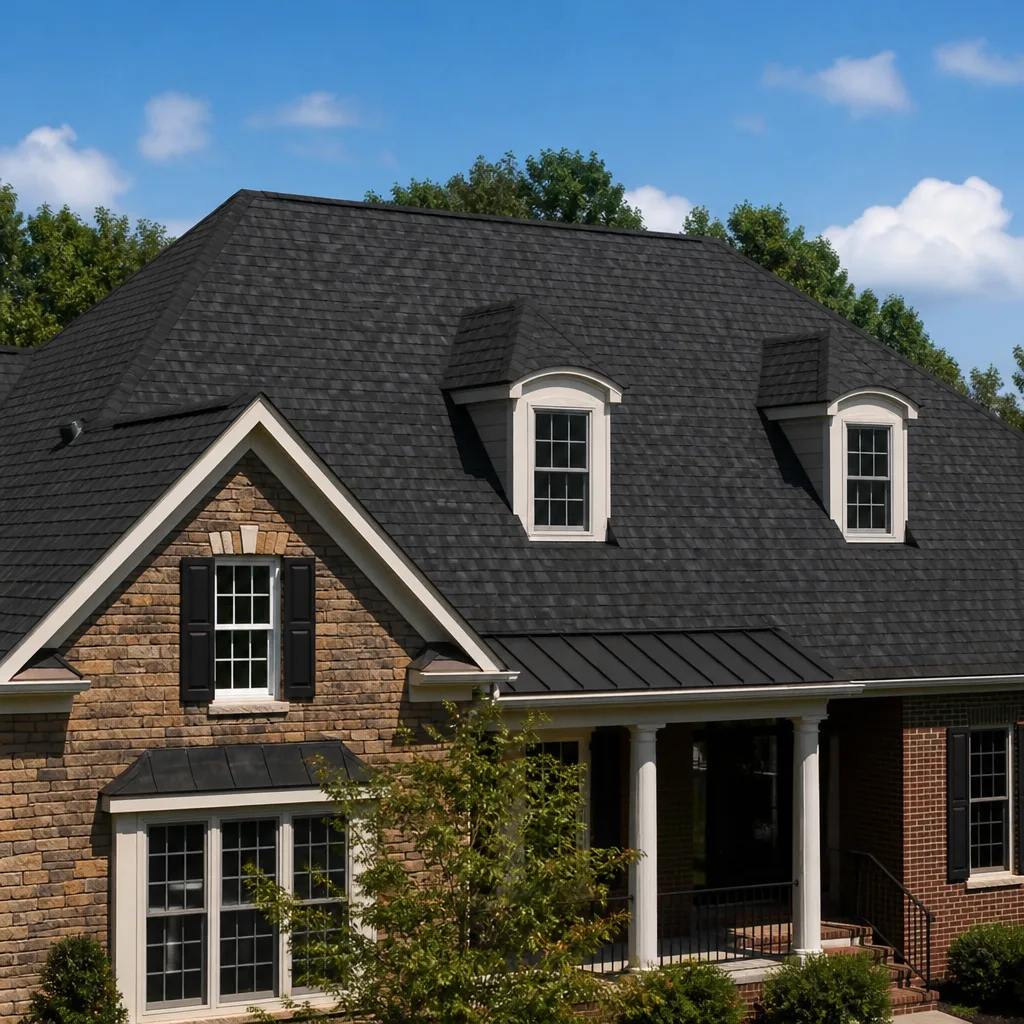 Owens Corning
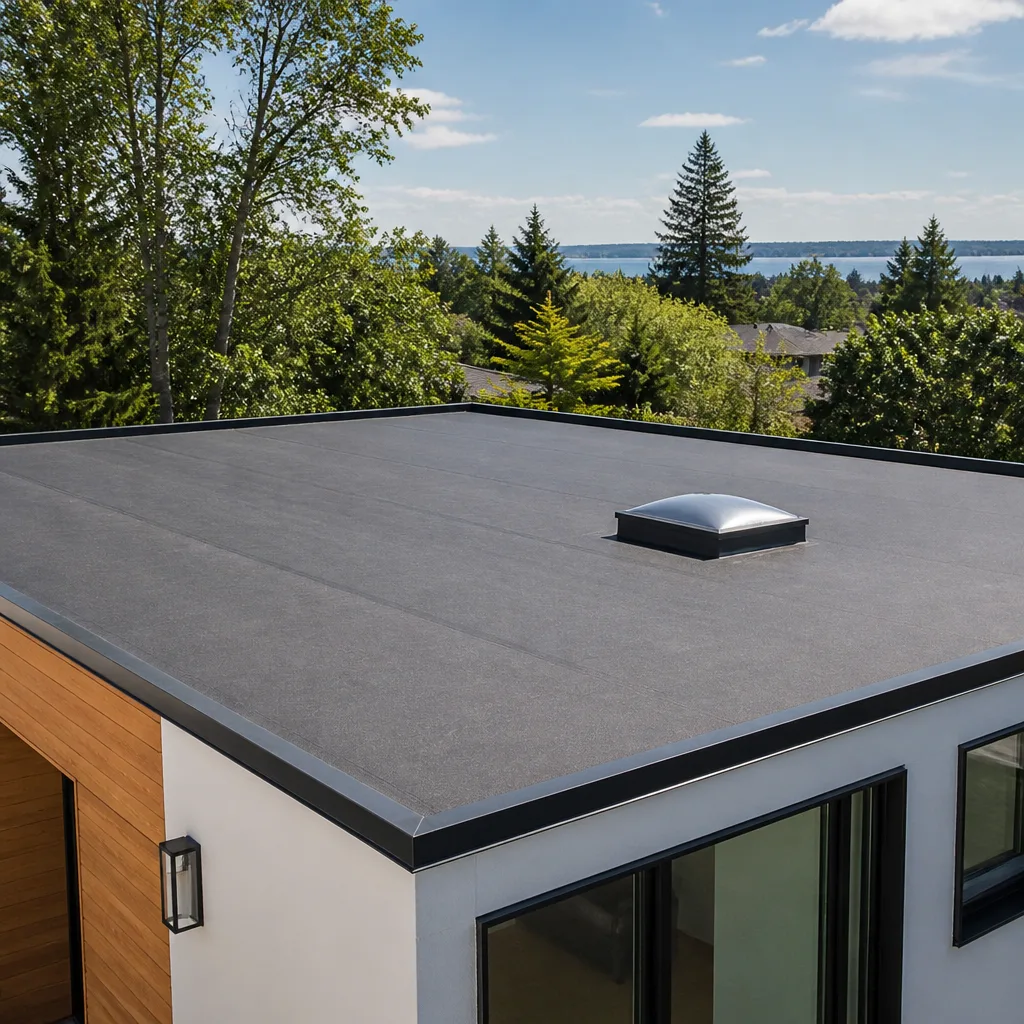 Flat & low-slope
Free roof inspection with deck photos before we talk money - GAF and Owens Corning certified installation
DIY vs Professional Roofing: The Boca Raton Homeowner’s Decision Guide
Most homeowners who call us about a roof problem have already spent a weekend on the internet pricing shingles, watching installation videos, and wondering whether they could just handle it themselves. That’s a reasonable place to start. But Florida changes the math. The state does allow a homeowner to pull a roofing permit as an owner-builder, which makes DIY sound more achievable here than it is in most of the country. What that permission doesn’t tell you is what it exposes you to: warranty voids, insurance complications at claim time, resale disclosure headaches, and the same Palm Beach County inspections a licensed contractor has to pass. This guide walks through what’s genuinely doable yourself, what isn’t, and how the real cost comparison actually works out for a Boca Raton homeowner.
Quick Answer
For most Boca Raton homeowners, professional roofing is the better call on anything beyond minor maintenance. The owner-builder exemption lets you permit your own roof, but a self-installed roof usually carries no meaningful shingle warranty, can complicate insurance claims on wind damage, and still has to pass the same county inspections. Genuinely DIY-appropriate tasks are limited to gutter cleaning, debris clearing, minor flashing caulking, and visual checks from the ground.
Styles & brands we work with
- Architectural shingles
- Metal roofing
- Tile roofing
- GAF
- Owens Corning
- Flat & low-slope
Table of Contents
- What Florida’s Owner-Builder Exemption Actually Permits
- The Tasks That Are Genuinely DIY-Appropriate in South Florida
- Why DIY Installs Are Functionally Unwarrantied
- How Insurance Adjusters Treat Owner-Installed Roofs
- The Real Cost Comparison: Savings vs. Absorbed Risk
- Why an Inspection Should Come Before Any Decision
- How Material Choice Changes the DIY Question
- Common Mistakes to Avoid
- When to Call a Professional
- Frequently Asked Questions
What Florida’s Owner-Builder Exemption Actually Permits
Florida law lets a property owner apply for a building permit without holding a contractor’s license, provided the owner personally occupies the structure and does the work themselves. That’s the owner-builder exemption in plain terms. It exists so a homeowner can improve their own house, not so a homeowner can act as a general contractor for a paid crew.
What it permits is narrower than most people assume:
- You can pull the permit in your own name for a roof on a home you occupy.
- You can perform the work yourself, or with unpaid help.
- You must still meet every applicable building code requirement for the roof assembly.
- You must still pass the same county inspections a licensed contractor’s job passes.
- You cannot legally use the exemption to hire an unlicensed crew to do the work for you.
What it exposes you to is the part that doesn’t come up at the permit counter. Once you sign as owner-builder, you’ve taken on the role of the contractor in the eyes of the inspection process and, later, in the eyes of a buyer’s inspector and, potentially, an insurance adjuster. If something fails, there’s no second party to hold accountable. There’s no manufacturer paperwork trail from a credentialed installer. And there’s no warranty standing behind the work.
In Palm Beach County, the inspection sequence for a roof is not trivial. A roofing job typically involves an inspection of the deck and underlayment stage before the finished surface goes on, and a final inspection once the job is complete. A homeowner who’s never scheduled a construction inspection before is now responsible for coordinating those, and for the correction work if something fails. Being your own contractor in Boca Raton means being the person who has to know the answer when the inspector asks a question about how the roof-to-wall transition was detailed.
The Tasks That Are Genuinely DIY-Appropriate in South Florida
This is the honest part most guides skip. There is real DIY work on a Boca Raton roof, and it’s worth doing. It’s just maintenance, not installation. The South Florida climate is hard on roofs in a specific way: intense sun, heavy seasonal rain, and wind-driven storms that push water into places a gentler climate never would. Maintenance done correctly extends the useful life of the roof. Installation is a different category of work.
The tasks we’d call genuinely appropriate for a homeowner:
- Gutter and valley cleaning. Palm fronds, oak leaves, and wind-blown debris collect in gutters and valleys and hold moisture against the roof. Clearing them is low-risk, high-value work.
- Clearing debris from the roof surface. Anything that sits on the shingles traps water and accelerates wear. Sweeping it off from a stable position is fine.
- Minor flashing caulking. Small sealant touch-ups on a loose boot or a lifting edge of sealant around a vent are reasonable if you’re comfortable on a ladder and the surface is sound underneath. If the flashing itself is lifting or rusted, that’s a repair, not a caulk job.
- Visual inspection from the ground. Binoculars and a walk around the perimeter will tell you a lot. Look for lifted or missing shingles, sagging lines, granules collecting in gutters, and dark streaks or stains on ceilings inside.
- Interior leak tracking after a storm. Note where water appears, which ceiling, which wall, and how quickly. That information is genuinely useful to whoever diagnoses the roof.
What’s not on that list: replacing shingles, tearing off and re-decking, installing underlayment, detailing the roof-to-wall transition, or getting on a wet roof at all. Those are the parts where a misstep leads to water intrusion that isn’t visible until the next heavy rain, and by then the damage inside is more expensive than the roof repair would have been.
Why DIY Installs Are Functionally Unwarrantied
Here’s the piece most homeowners discover too late. The material warranty on a shingle is not a warranty on your roof. It’s a warranty on the product, conditional on proper installation, and the major manufacturers build their warranty programs around credentialed installers. An Owens Corning or IKO shingle carries a strong product warranty when installed by a qualified or preferred contractor under the manufacturer’s program. Installed by a homeowner with no installer credentials, the strongest coverage available is typically the limited product warranty, and even that can be conditioned on proof of professional installation that you don’t have.
What this means in practice:
- You can buy the exact same shingle an installer would buy. You can’t buy the installer status that activates the enhanced warranty.
- If the shingles fail prematurely, claiming on the warranty requires documentation of proper installation. An owner-builder permit and a materials receipt don’t substitute for that.
- If a manufacturer opens a claim and finds no qualifying installer of record, the outcome is often no coverage, regardless of whether the shingle was defective.
That’s not a knock on the products. Atlas, Tamko, Owens Corning, and IKO all make solid roofing materials. The issues are the installation and the paper trail, not the shingle. A professional roof replacement done by a credentialed installer is what activates the warranty coverage you paid for when you bought the material. Without that, you’re buying the product without the protection.
How Insurance Adjusters Treat Owner-Installed Roofs
This is where the DIY math gets uncomfortable in Boca Raton. Wind damage claims are common here, and adjusters look carefully at roof age, permit history, and installation documentation. An owner-installed roof with a valid owner-builder permit is permitted, which is better than unpermitted. But an owner-installed roof without a permit, or with a permit that never received a final inspection sign-off, is a different story. Adjusters can and do reduce or deny claims on roofs where the installation wasn’t documented as code-compliant, because the loss can be attributed to improper installation rather than the covered peril.
Two separate problems tend to show up:
- Unpermitted work. A roof installed without a permit can be treated by the insurer as a pre-existing condition or an uninsured improvement. The claim for wind damage gets complicated at exactly the moment you need it to be simple.
- Unclosed permits. An owner-builder permit that never got its final inspection can leave the roof in a state the insurer won’t recognize as a completed, compliant installation.
Then there’s resale. In Florida, sellers are required to disclose known defects, and a buyer’s inspector will pull the permit history. An owner-installed roof with an unclosed or missing permit can turn into a negotiation problem at closing, or a repair demand. The savings from doing it yourself can be spent twice: once on the roof, and again when you sell.
The Real Cost Comparison: Savings vs. Absorbed Risk
Most DIY vs. pro comparisons stop at labor. That’s the wrong comparison. The right way to look at it is what you save against what you take on. Here’s how that lines up for a typical Boca Raton homeowner considering a DIY roof.
- What you save: the labor portion of a roof replacement, which is the largest single line item on a professional job. That’s a real number and worth understanding.
- What you absorb: the full enhanced manufacturer warranty, which typically goes away without a credentialed installer.
- What you absorb: the risk of a code failure and the rework cost to fix it before the job can close.
- What you absorb: the risk of insurance complications at claim time on a wind event.
- What you absorb: the resale disclosure problem if the permit or inspection record is incomplete.
- What you absorb: remediation if a leak develops and rots decking or gets into the ceiling assembly.
- What you absorb: the time. A roof is not a weekend job, and in South Florida, leaving a roof open in the middle of a rainy season is its own category of risk.
That’s not an argument that a professional job is always cheaper on paper on day one. It’s an argument that the day-one number isn’t the real number. When the warranty, the insurance exposure, and the resale risk are priced in, the gap narrows significantly, and for a lot of homeowners it inverts. The other thing worth knowing is that professional pricing isn’t opaque. A written estimate spells out materials, tear-off, underlayment, and labor as line items, so you can see what the labor actually is before deciding. If you want the specific numbers for this market, our roof repair page and replacement pages break down typical ranges, and an inspection gives you a documented baseline to price against.
Why an Inspection Should Come Before Any Decision
The single most useful thing you can do before deciding DIY vs. professional is to know what condition your roof is actually in. A lot of homeowners start pricing materials before they know whether they need a repair, a replacement, or nothing at all. We see this often, and it’s why we treat inspection as a standalone service. It’s the “know before you spend” step.
What a proper inspection covers:
- Roof surface condition, including shingle sealing, granule loss, and any lifted or missing material.
- Flashing detail, which is where most leaks originate, including the roof-to-wall transition and penetrations.
- Valleys and drainage, including debris load and any ponding indications.
- Deck condition, where accessible, for soft spots or prior water damage.
- Attic-side observations, including staining, moisture, and ventilation adequacy.
What you get out of it is a documented baseline: a condition assessment that tells you whether you’re looking at a repair, a replacement, or simple maintenance. That’s the input the DIY decision needs. Without it, you’re deciding how to spend money based on how the roof looks from the driveway. Our technicians have up to 15 years of experience, and the value they add at the inspection stage is an honest read, including when the honest answer is “you don’t need us yet.”
How Material Choice Changes the DIY Question
Material choice matters more than most homeowners expect, and it cuts both ways for the DIY question. On a professional install, the material recommendation is driven by the roof’s needs and the house’s exposure. On a DIY install, the recommendation is driven by what’s available at the store that day, which is a narrower set. It’s also where working with multiple manufacturers actually helps the homeowner.
We work with seven of the industry’s leading shingle brands – GAF, CertainTeed, Owens Corning, IKO, Atlas, Tamko, and Boral – which means the recommendation is about fit, not about what we happen to stock. Each manufacturer runs its own installation standards, and a contractor fluent across all seven is more likely to get the detailing right on whichever product the roof actually needs. For a Boca Raton home, that could mean a different shingle line depending on roof pitch, sun exposure, and the surrounding ventilation, and the manufacturer warranty that goes with that recommendation.
A DIY install collapses that choice down to what’s on the shelf, which is often not the right product for the roof. It also means you’re installing that product without the manufacturer’s credential behind it. The material is the same. The warranty and the installation standard behind it aren’t.
Common Mistakes to Avoid
- Pulling an owner-builder permit without understanding what it commits you to. The permit is easy to get and hard to close if something fails inspection. Many homeowners don’t realize the final sign-off depends on passing the same county sequence a licensed contractor does.
- Assuming the shingle warranty covers the install. The product warranty on an Owens Corning or IKO shingle is strong; the enhanced coverage behind it typically requires a credentialed installer. Buying the shingle doesn’t buy the coverage.
- Starting a tear-off with a rainy forecast on the horizon. South Florida’s patterns are convective and fast. An exposed roof deck is an open ceiling assembly, and a two-hour storm can do real interior damage. Roof professionals schedule around this; DIY plans often don’t.
- Working on the roof after rain or when the surface is slick. The leading cause of roofing injuries is falls, and a wet shingle surface is a serious hazard. This is the one point where we’d say no regardless of skill level.
- Handling tasks that belong to a pro because they look small. Chasing a flashings leak or re-seating a lifted shingle near a valley is not small. Water finds the low spot, and the low spot is inside your home.
- Skipping the inspection before deciding. Pricing materials before you know what condition the roof is in is the most common way homeowners overspend or underspend. Get the condition documented first.
- Leaving the permit open for a future buyer to discover. An unclosed owner-builder permit is a resale problem in Boca Raton and throughout Palm Beach County. It’s the kind of thing that shows up at closing and stalls a deal.
When to Call a Professional
Some situations don’t need a decision. If the roof is at or near the end of its service life, if there’s active interior leaking, if the permit history is incomplete, or if you’re preparing to sell, call before you do anything else. Same if a storm has lifted or removed shingles: that’s a repair with a time element, and the right move is documentation and repair before the next rain. On a Boca Raton roof where the detailing is complex, or where the roof-to-wall transition needs work, an inspection is the sensible first step. We offer free estimates on any repair or replacement that comes out of it. Call (866) 942-9891. We answer 24/7. Fast dispatch from 7am to 7pm, Sunday through Friday.
Frequently Asked Questions
You can pull an owner-builder permit for a roof on a home you occupy, and do the work yourself, but the work still has to meet Florida building code and pass the same Palm Beach County inspections a licensed contractor faces. Using the exemption to hire an unlicensed crew is not permitted. If you’re considering it, call (866) 942-9891 for a free estimate first, so you can compare the real numbers.
It typically reduces it to the basic product warranty or eliminates coverage entirely, because the enhanced manufacturer warranties from brands like Owens Corning, IKO, and Atlas require credentialed installer documentation. The shingle is the same, but the coverage behind it is not. Ask us for a written quote that includes the warranty terms before you decide.
It can, especially if the work was unpermitted or the permit was never closed out with a final inspection. Adjusters process wind damage claims more smoothly when the installation is documented as code-compliant. Call (866) 942-9891 for an inspection so you know exactly what condition you’re working with.
Gutter and valley cleaning, clearing debris from the surface, minor flashing caulking, and visual inspections from the ground are all reasonable. Anything involving installing or replacing shingles, tearing off, or working on a wet roof is not. If you’re not sure which category a task falls into, call us at (866) 942-9891 and we’ll tell you.
You’ll typically skip the labor portion of the job, which is the largest line item, but you’ll absorb the risk of warranty loss, potential rework costs, and possible insurance or resale complications. On many jobs, the net savings are much smaller than the day-one difference suggests. A written estimate from us gives you the line items to compare against, and it’s free.
Call (866) 942-9891 and we’ll book you in. We answer 24/7, with fast dispatch from 7am to 7pm, Sunday through Friday. The inspection gives you a documented condition assessment before you decide between repair, replacement, or handling maintenance yourself.
The Bottom Line
Florida’s owner-builder exemption makes DIY roofing sound more accessible than it is. The law lets you pull the permit, but it doesn’t let you skip the inspections, and it doesn’t restore the warranty coverage or the documented installation that a professional job carries. For most Boca Raton homeowners, the hours spent pricing materials are better spent getting an inspection to know what condition the roof is in. From there, the decision comes down to skill, comfort, and willingness to absorb the risk of warranty loss, insurance complications, and resale exposure. Our technicians have up to 15 years of experience, and we’ll give you an honest read on which side of that line your roof is on. We set the benchmark on every job: from inspection to installation, one accountable contractor. The right material for your roof, seven leading brands, one honest recommendation. Call (866) 942-9891 to schedule your free estimate. See our Benchmark Roof Repair page for the full service picture, or learn more about the area we work in on our Boca Raton page.
Written by the team at Benchmark Roof Repair.
See the difference
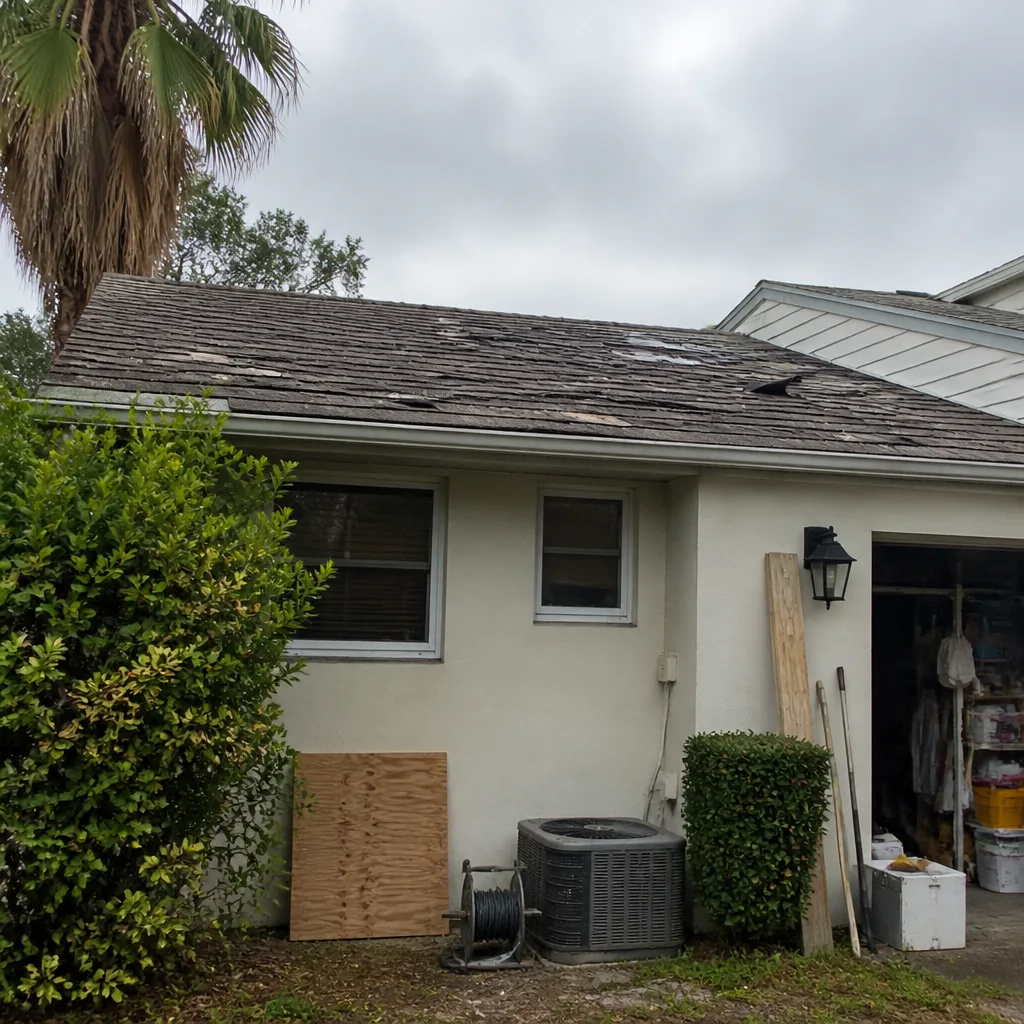 Before
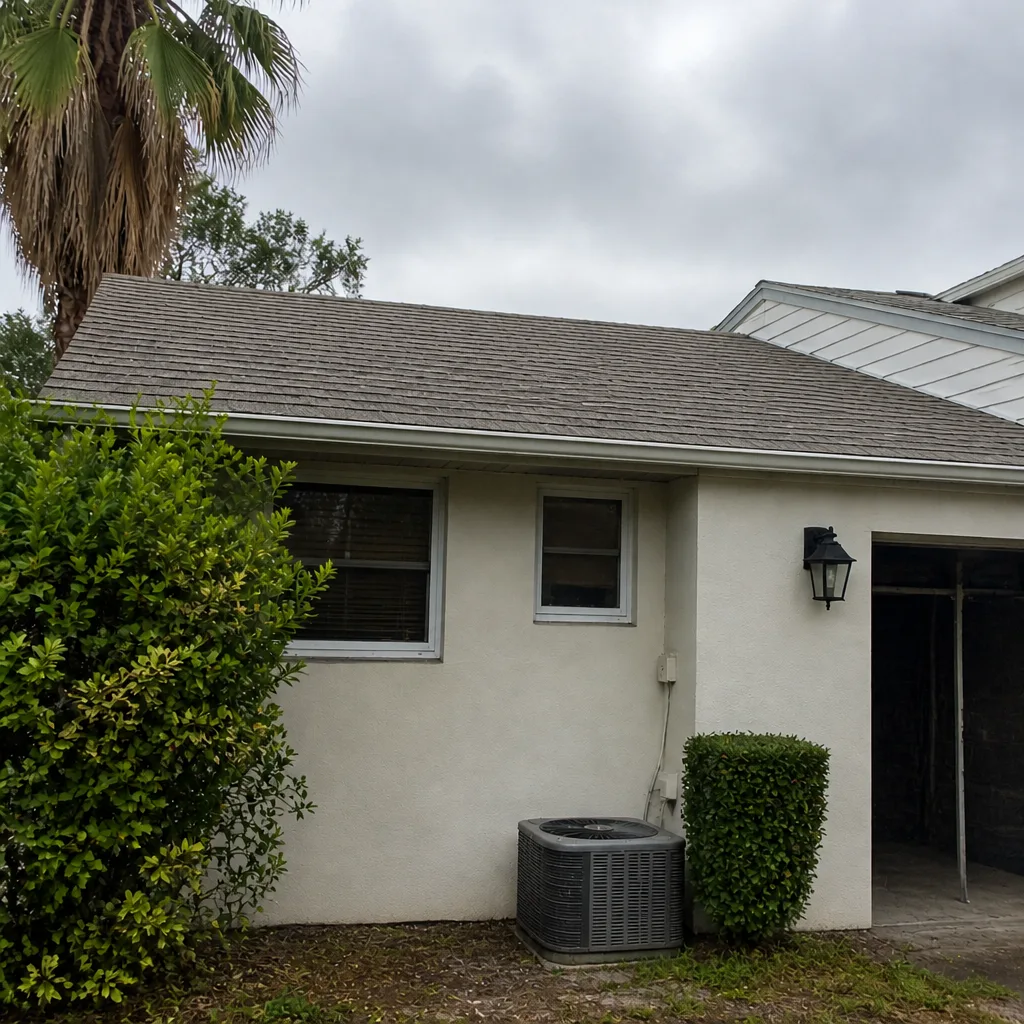 After
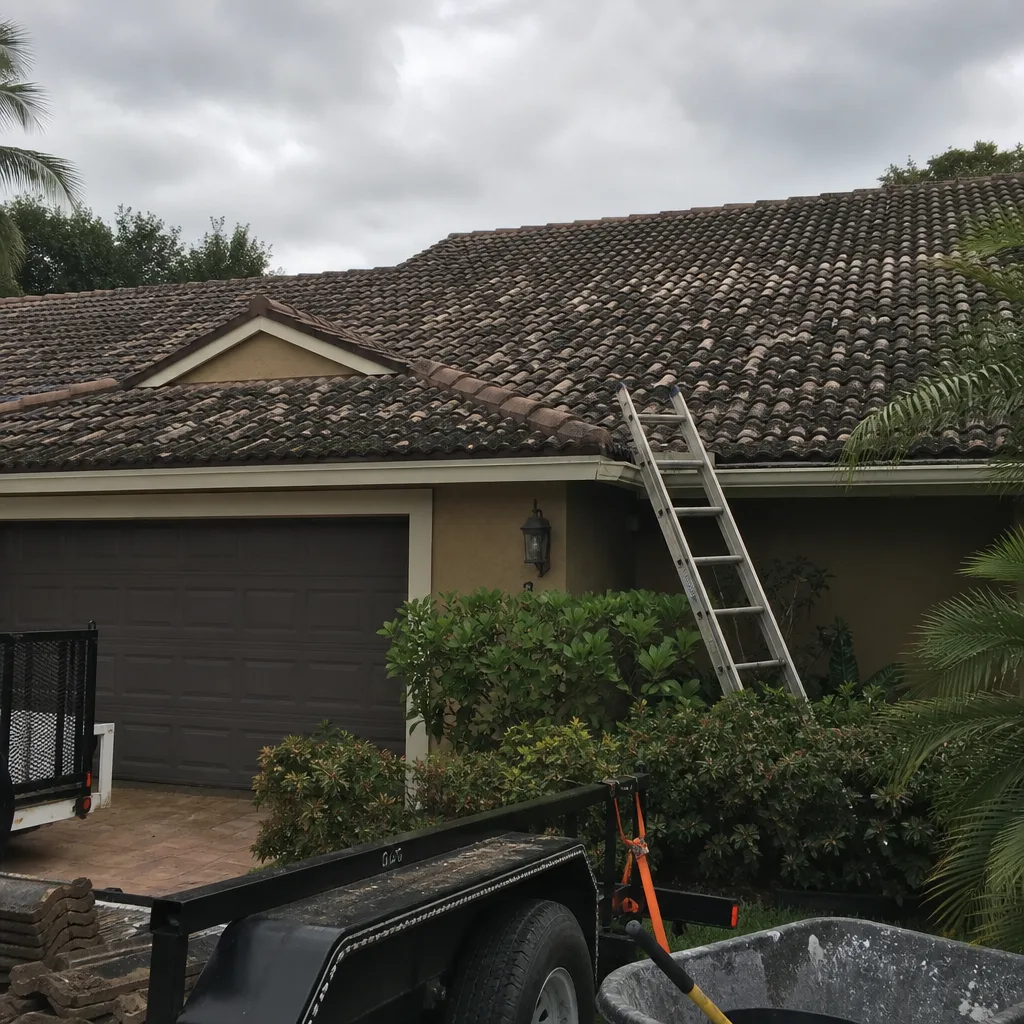 Before
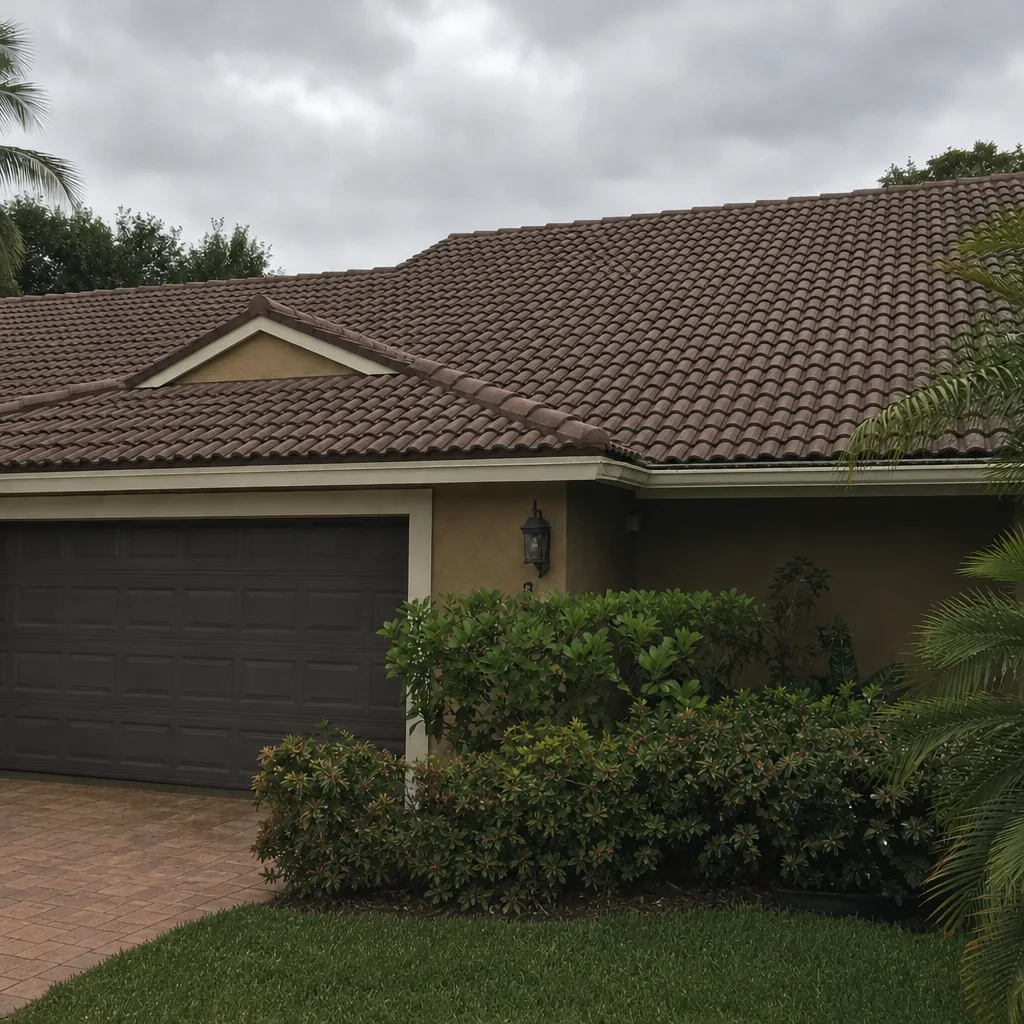 After
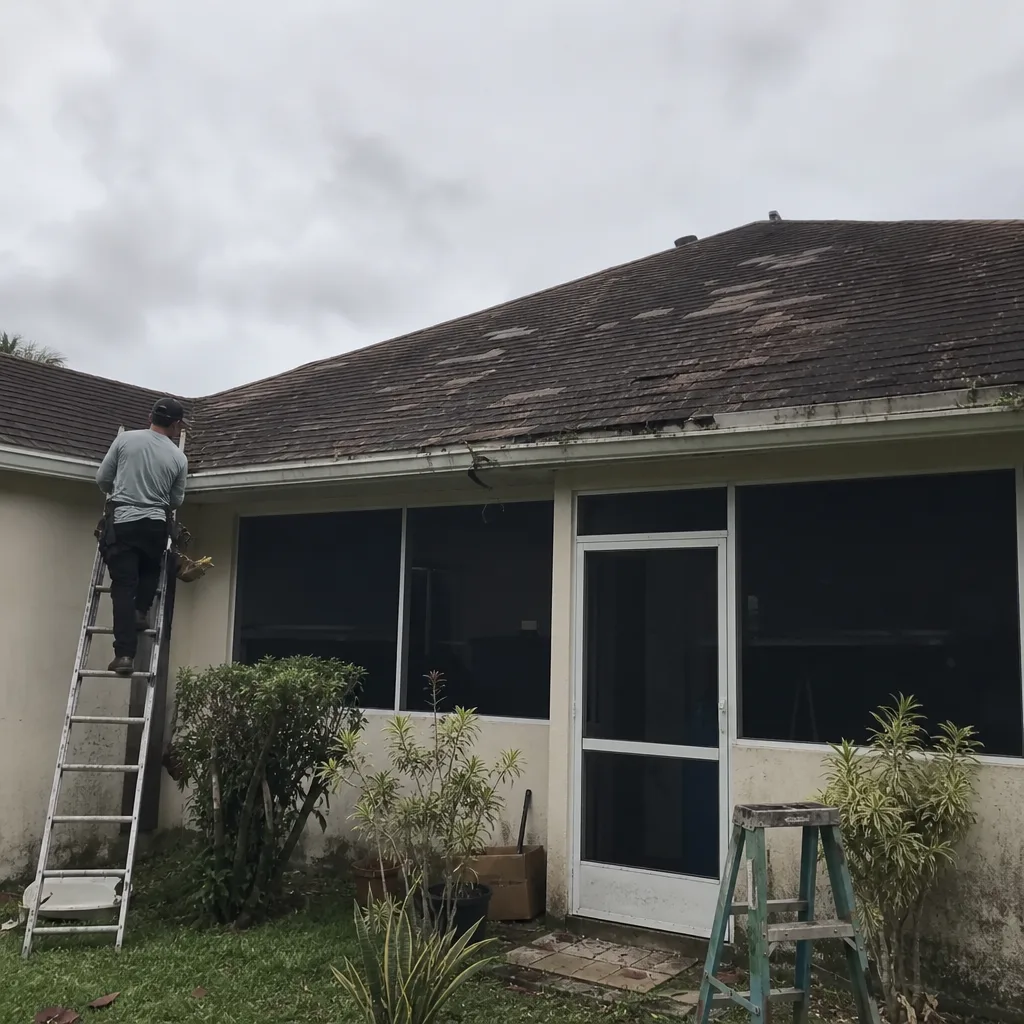 Before
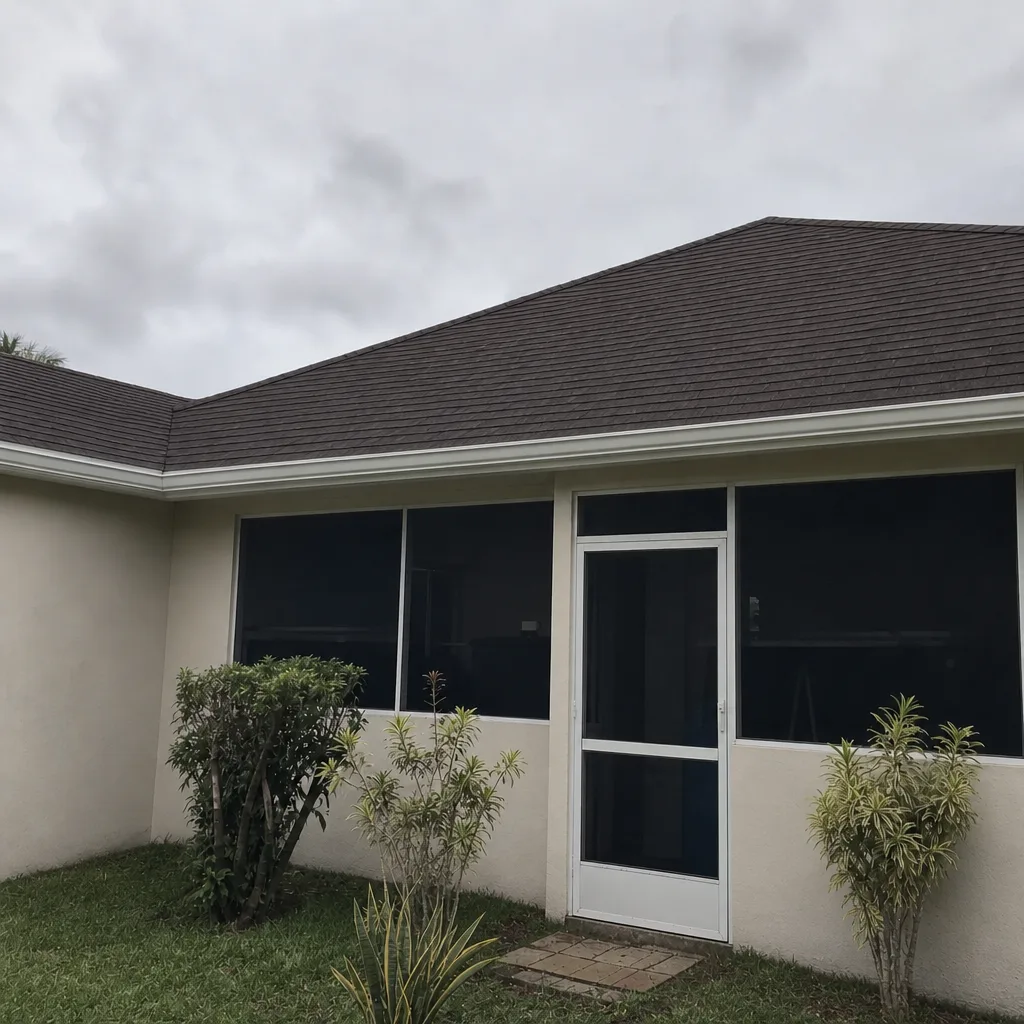 After