
Last updated November 15, 2026
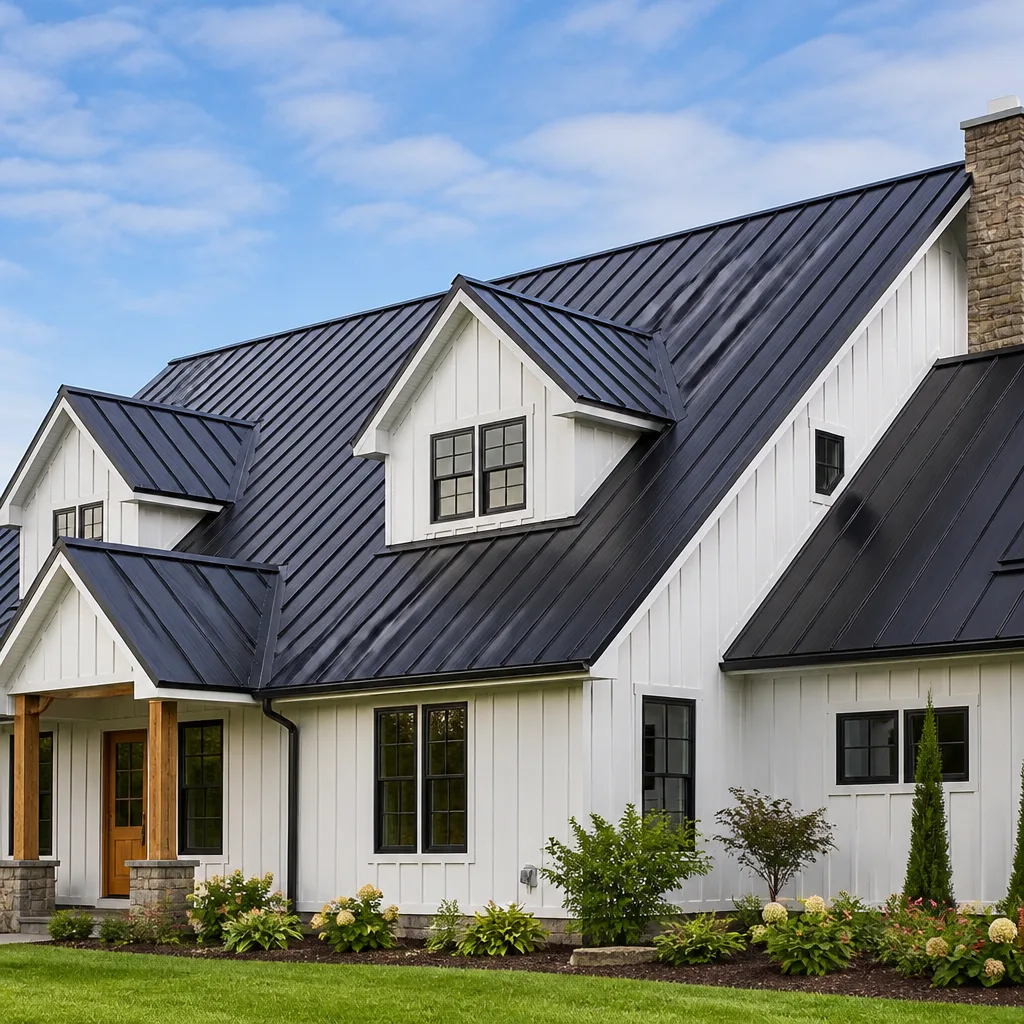 Metal roofing
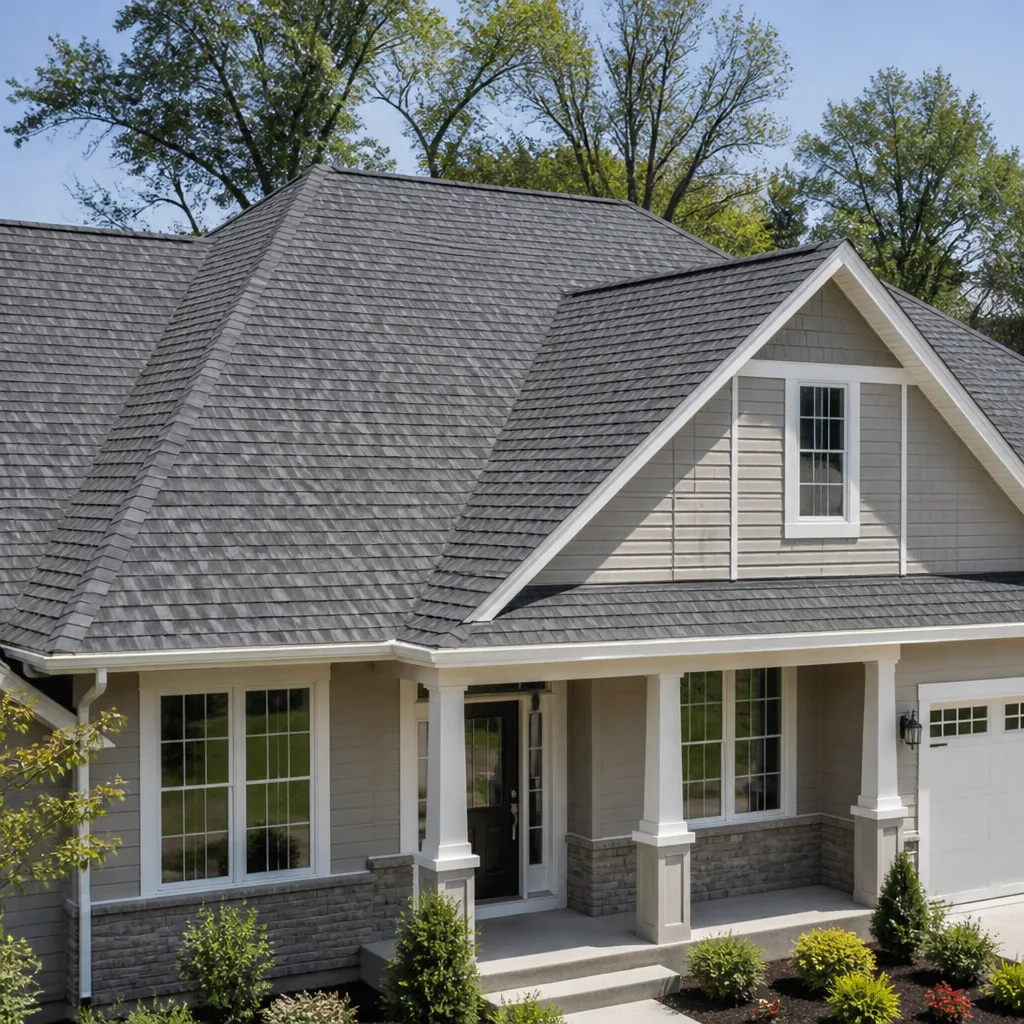 Architectural shingles
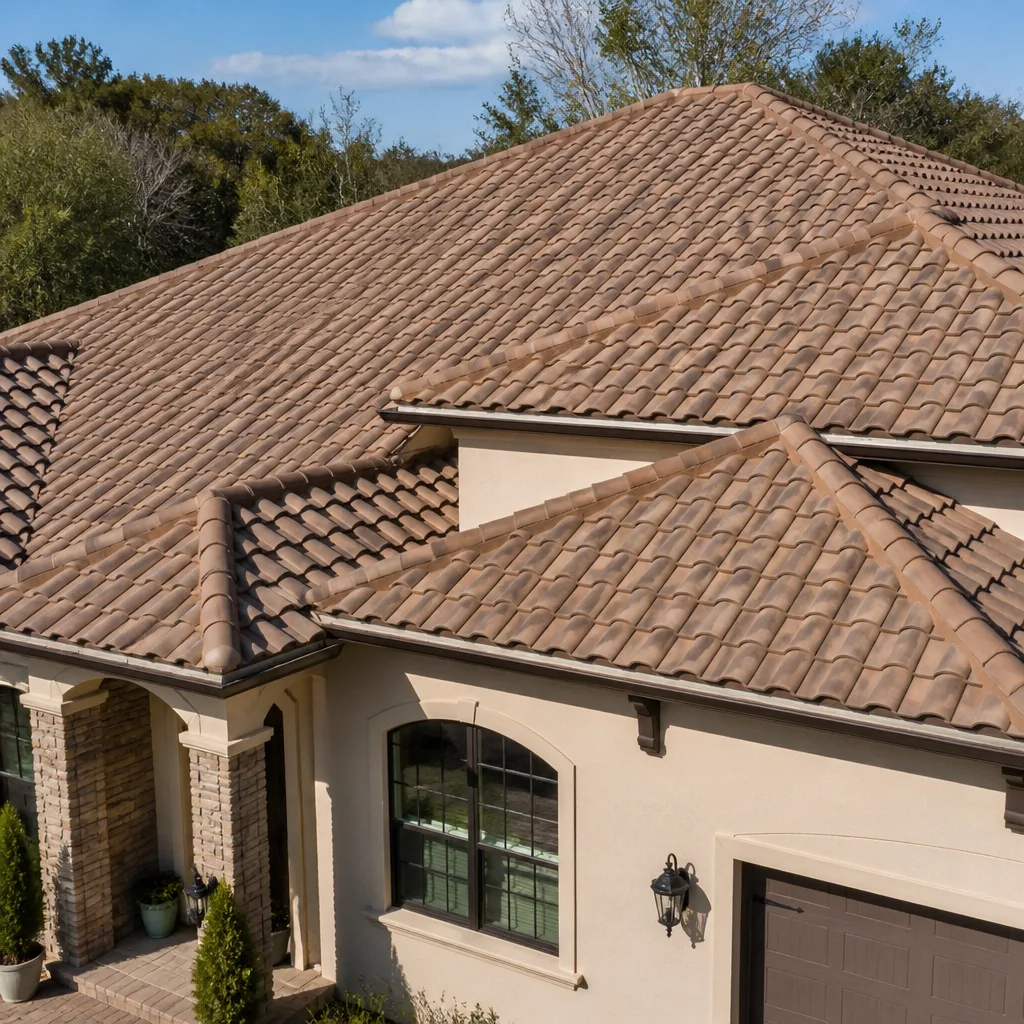 Tile roofing
 GAF
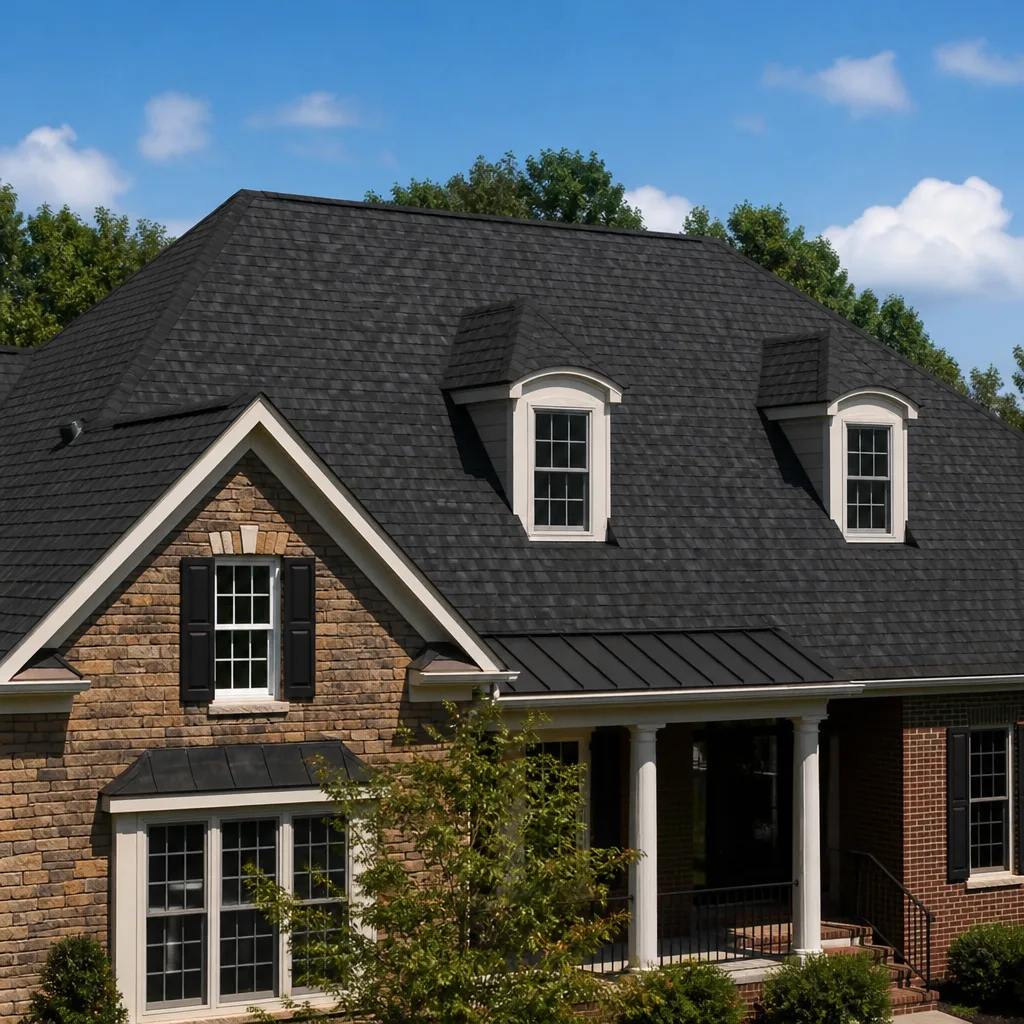 Owens Corning
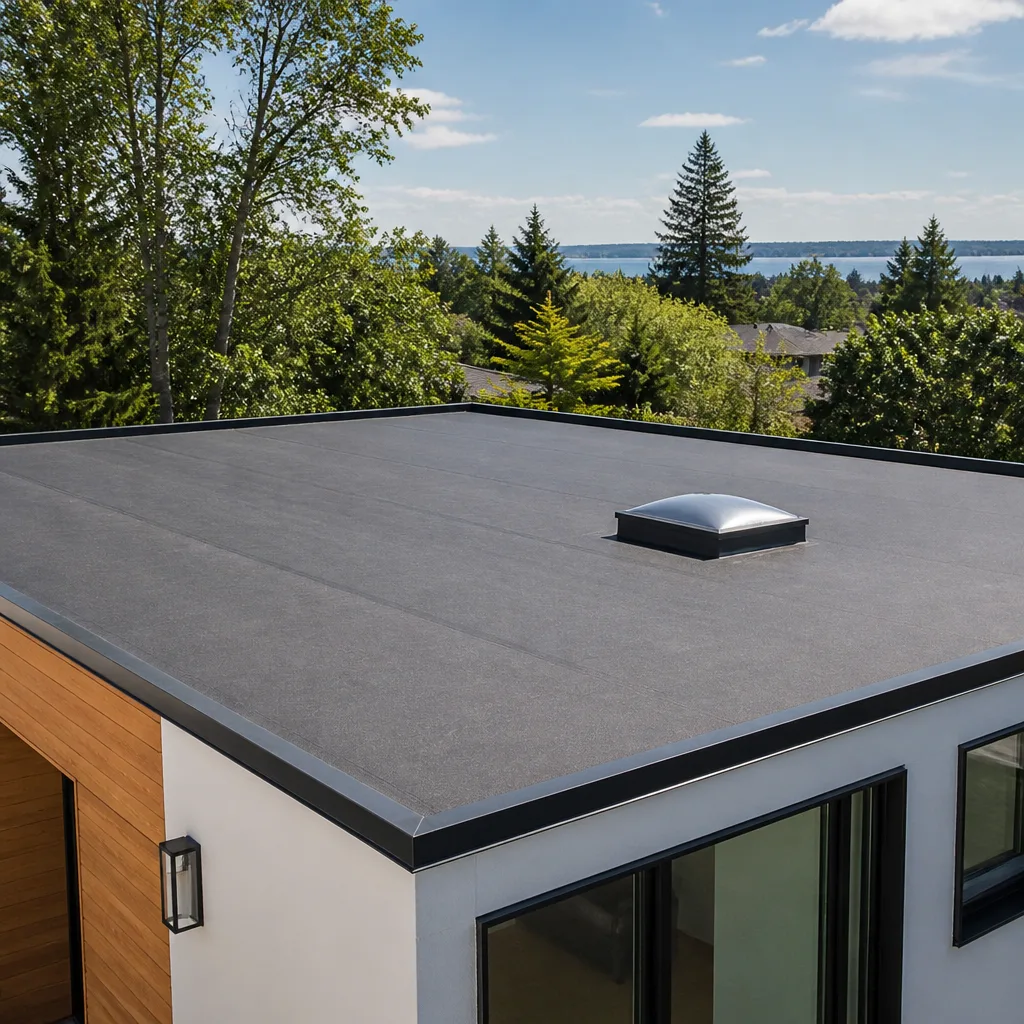 Flat & low-slope
Free roof inspection with deck photos before we talk money - GAF and Owens Corning certified installation
How to Hire a Roofing Contractor in Boca Raton: A Step-by-Step Guide
Most hiring guides tell you to get three quotes and check references. That advice won’t protect you. The failure point that sinks more Boca Raton roofing projects than bad workmanship is a licensing one: Florida issues two very different contractor licenses that both look legitimate on a business card, and only one of them legally covers roof work. After Hurricane Ian, Florida’s Department of Business and Professional Regulation logged hundreds of complaints against unlicensed contractors who collected deposits in South Florida and disappeared. Most of those homeowners never knew there were two license types to check. This guide walks you through verifying a license in under two minutes, reading a proposal for scope gaps, confirming the permit was actually filed, and asking the subcontracting questions nobody thinks to ask.
Quick Answer
Hiring a roofing contractor in Boca Raton comes down to five checks: confirm a state roofing license (a CCC number, not a general contractor CBC) on Florida’s DBPR site, verify the permit is pulled in the contractor’s name before work starts, ask who physically installs the roof and whether they’re covered under the contractor’s liability policy, read the proposal line by line for scope gaps that become change orders, and get a written estimate before signing anything. A contractor who hesitates on any of those five isn’t the one to hire, no matter how good the price looks.
Styles & brands we work with
- Architectural shingles
- Metal roofing
- Tile roofing
- GAF
- Owens Corning
- Flat & low-slope
Table of Contents
- Step 1: Verify the Florida Roofing License (Two Minutes)
- Step 2: Confirm the Permit Is Pulled in Their Name
- Step 3: Ask Who Actually Installs the Roof
- Step 4: Read the Proposal for What’s Missing
- Post-Storm Red Flags Specific to Boca Raton
- Questions to Ask Before You Sign
- What Boca Raton’s Climate Demands From a Roof
- What a Well-Run Roofing Project Looks Like
Step 1: Verify the Florida Roofing License (Two Minutes)
Florida separates roofing from general contracting at the license level. A roofing contractor holds a CCC license, which is the certified or registered roofing contractor category. A general contractor holds a CBC. They are not interchangeable. A CBC holder can manage a building project, but roofing work as a specialty falls under its own license class, and a general contractor who shows you a CBC number and says “it covers roofing” is either misinformed or hoping you won’t check.
Here’s how to verify a license on Florida’s Department of Business and Professional Regulation (DBPR) website in about two minutes:
- Go to the DBPR license lookup. The department runs a public license search tool for contractors.
- Type the license number exactly as it appears on the contractor’s card or proposal.
- Read the license type. You want to see a roofing category (CCC), not a general building category (CBC).
- Check the status. “Active” is what you want. “Delinquent,” “suspended,” or “null and void” means the license cannot legally be used.
- Confirm the business name matches the name on your proposal. If the license belongs to a different company than the one asking for your deposit, stop and ask why.
- Check for complaints and disciplinary history. The same listing shows public disciplinary records. A license with a history of violations is a risk, even if it’s currently active.
Two minutes. That’s the whole process. Do it before you sign, before you pay a deposit, and before you let anyone walk on your roof. At Benchmark Roof Repair, we expect the check and we’ll give you the number without hesitation. Anyone who pushes back on that request is telling you something.
Step 2: Confirm the Permit Is Pulled in Their Name
In Florida, roof replacement generally requires a permit through the local building department, and in Boca Raton that means the city’s building division. The permit should always be the contractor’s responsibility, not yours. A contractor who suggests you pull the permit as the homeowner, or who says a permit “isn’t necessary for this one,” is transferring risk and liability onto you.
Why it matters:
- Permits trigger inspections. A building inspector signs off on the installation at key stages. No permit means no inspection, which means nobody independent ever looks at the work before it’s sealed under shingles.
- An unpermitted roof creates a disclosure problem. If you sell the property, an unpermitted replacement becomes a problem for your buyer’s inspector to find, and the correction cost lands on you.
- Insurance can deny claims. If a covered loss is traced to unpermitted or non-compliant work, the insurer has grounds to question the claim.
- The permit is proof the contractor is operating legitimately. Con artists don’t pull permits under their own name because it creates a paper trail.
How to confirm it was actually filed: ask for the permit number before the first day of work. Then verify it yourself. Most Florida counties and municipalities, including Boca Raton’s building department, offer a public online permit search. Type in your address and confirm a permit exists in the contractor’s business name, for the correct scope of work. If the number they gave you doesn’t come up, or if it’s registered to a different company, that’s your answer. On our roof replacement projects, the permit is pulled before material is ordered, and we hand the homeowner the number so they can check it the same day.
Step 3: Ask Who Actually Installs the Roof
The name on the contract and the people on the roof are sometimes not the same. Subcontracting is legal and common in the trade, but it changes who’s responsible if something goes wrong. The right questions to ask are direct:
- “Who will physically install the shingles on my roof?” A straight answer is a good sign. A vague one (“we have guys”) isn’t.
- “Are the installers employees or subcontractors?” Both can be fine. What matters is that the contractor is upfront about it.
- “Are the subcontractors working under your general liability policy?” This is the critical one. If a subcontractor crew isn’t covered under the primary contractor’s policy, an injury on your roof can land on your homeowner’s insurance. Ask for a certificate of insurance naming the subcontractor, and the primary contractor’s coverage, both current.
- “What happens if an installer damages my landscape, my AC, or a neighbor’s property?” A contractor with real liability coverage answers this without flinching.
Manufacturer-trained installation matters here too. GAF, CertainTeed, Owens Corning, IKO, Atlas, Tamko, and Boral each publish distinct installation requirements, and a crew fluent in one brand’s system isn’t automatically fluent in another’s. When you ask “who’s installing and how do you know the requirements,” you’re testing whether the answer is specific or generic.
At Benchmark Roof Repair, the same people who inspect the roof carry the job through to installation. No handoff to a separate company if the scope changes from a repair to a replacement. One contractor, start to finish. That’s what “from inspection to installation” means in practice: you don’t have to rebuild the relationship mid-project.
Step 4: Read the Proposal for What’s Missing
A lowball quote is rarely a bargain. It’s almost always a quote with line items removed. The missing pieces surface later as change orders, and the final price lands well above the honest quotes you didn’t take. Here’s what a thorough Boca Raton roofing proposal should show as separate, written line items:
- Full tear-off of the existing roofing layers, specified by count. If a proposal doesn’t say whether old layers are coming off, ask.
- Underlayment, named by type and manufacturer, not lumped under “materials.”
- Deck inspection and replacement allowance. Damaged or rotted deck panels are found during tear-off, not before. A proposal that doesn’t address this at all will generate a change order the moment a rotted panel turns up. A separate per-sheet deck price, written into the proposal, is a sign of honesty.
- Flashing and drip edge, itemized. These are the details that fail first.
- Ventilation, with intake and exhaust specified. In South Florida’s heat, an under-ventilated attic cooks a roof from underneath.
- Permit and inspection fees, as a line item or clearly stated as the contractor’s responsibility.
- Written debris removal and final cleanup. “Clean up after” isn’t enough detail.
- The shingle brand and product line, named. Not “architectural shingles” – the actual manufacturer and product. The choice of material matters more in a hot, storm-prone climate than in a mild one, and a proposal that names it lets you compare apples to apples.
A proposal that comes in significantly lower than the others, without an explanation of what was excluded, is the proposal to read twice. Ask the contractor to walk the scope line by line with you. A contractor confident in their scope welcomes that conversation.
Post-Storm Red Flags Specific to Boca Raton
South Florida draws out-of-state roofers after every significant storm. Some are legitimate outfits that travel seasonally. Many are not. The red flags are specific:
- Out-of-state license plates on the work truck. Not disqualifying by itself, but ask to see a Florida roofing license (CCC) before anything else proceeds. If they can’t produce one for the state where they’re doing the work, the conversation ends.
- No verifiable local business address. A cell number and a website aren’t an address. A PO box isn’t an office. Ask for a street address and cross-check it against the business listing. If the address is a virtual office or doesn’t turn up in a search, be cautious.
- Pressure to sign before the inspection is complete. “The price is good today only” or “we can start tomorrow but only if you sign now” is a scripted technique, not a business reality. A legitimate contractor wants to inspect your roof first, then quote.
- Cash-only or large cash deposits. Deposits are normal; large up-front cash deposits to an unverified contractor are how most disappearances start.
- Door-to-door solicitations with a “neighbor discount.” Sometimes real; often a foot in the door for high-pressure sales.
- A quote given without going on the roof. Nobody can price a roofing job accurately from the driveway.
- Vague licensing. If they can’t tell you immediately whether their license is CCC or CBC, they don’t know, or they’re hiding the answer.
In our experience, the tell is always the same: the pressure ramps up when the questions get specific. A contractor with nothing to hide doesn’t mind the questions.
Questions to Ask Before You Sign
Bring this list to every meeting. The answers separate a professional from a pitch:
- “What is your Florida license number, and is it a CCC?” Write it down. Check it on DBPR before signing.
- “Will you pull the permit in your name, and can I have the permit number before work begins?” Yes means yes. Anything else is a problem.
- “Who physically installs, and are they covered under your general liability policy?” Ask for certificates of insurance.
- “What shingle brand and product line are you proposing, and why?” If the answer is “we only install one brand,” ask how they chose it for your roof’s needs, specifically. With access to GAF, CertainTeed, Owens Corning, IKO, Atlas, and others, the recommendation can actually be about fit rather than inventory.
- “What’s the deck replacement allowance, and what happens if more panels are damaged than expected?” The answer should be a per-sheet price, in writing.
- “What does your written proposal include for flashing, ventilation, and cleanup?” Vague answers here become change orders.
- “Will you provide a written estimate before I commit to anything?” The estimate should be free and should be the document you sign, not a separate “contract” that appears later with different numbers.
- “Can you do a standalone roof inspection first, so I know what I actually have before I spend on a replacement?” A contractor who insists the roof needs full replacement before they’ve done a documented inspection hasn’t done their job.
- “Who do I call if something goes wrong after the work is finished, and what manufacturer warranties apply to this product?” The answer should name the manufacturer’s warranty explicitly. GAF, Owens Corning, and CertainTeed all offer product warranties on their shingles; ask which one applies to your specific product.
What Boca Raton’s Climate Demands From a Roof
Boca Raton’s weather sets the real requirements for a roof, and those requirements should drive your contractor choice. South Florida’s heat and humidity punish under-ventilated attics, and its storm season makes wind resistance and flashing detail the parts of the installation that matter most. Roofing here is not a climate where the cheapest shingle or the skipped step survives long.
What that means when you’re evaluating a contractor:
- Ask how they handle attic ventilation. Intake and exhaust both matter. A proposal that specifies one and not the other is half a plan.
- Ask about the wind rating of the product they’re proposing and how it will be installed to meet it. The installation detail, not just the shingle, determines storm performance.
- Ask about the underlayment. In a hot, humid climate, the layer beneath the shingles does real work.
None of that shows up in a driveway quote. A real inspection does.
What a Well-Run Roofing Project Looks Like
Knowing the sequence makes it much easier to spot a contractor cutting corners. A properly run project in Boca Raton follows a predictable arc, and each stage is something you should be able to verify:
- Inspection. A documented walk of the roof, ideally with photos, establishing what’s actually there. Condition of shingles, flashing, deck, and ventilation.
- Written proposal. A line-item scope with a free written estimate, and the final price set by that written estimate. No change orders without your signed consent.
- Permit pulled. In the contractor’s name, number provided to you.
- Material delivery and staging. A plan for where material goes and how the property is protected.
- Tear-off and deck inspection. The moment any rotted or damaged deck becomes visible, the contractor documents it and gives you a price for any additional panel replacement before proceeding.
- Installation. Underlayment, flashing, shingles, ventilation, installed to the manufacturer’s requirements for the specific product.
- Inspection and sign-off. The building inspector signs off. You get the documentation.
- Final cleanup and walkthrough. Nails swept, debris hauled off, a final pass through the property with you to confirm everything’s as promised.
When a project runs this way, the homeowner is never guessing. That’s the standard we hold ourselves to, and it’s the standard we suggest you ask any contractor to demonstrate before you sign.
If you need us for a small repair or a full replacement in Boca Raton, that path looks the same. Start with an honest roof repair evaluation if the damage is limited. If it’s time to go all the way, replacement comes next. Either way, the inspection comes first. Benchmark Roof Repair handles both under the same name, which means no mid-project contractor swap if the scope changes.
Common Mistakes to Avoid
- Checking the license number but not the license type. A CBC general contractor license looks perfectly legitimate on a business card. It’s still not a roofing license. Always confirm it’s a CCC.
- Letting the contractor talk you out of the permit. “It’s not needed for this kind of repair” or “the city won’t require it” is a line used to avoid the inspector’s eyes. Florida roof work generally requires a permit, and asking your city’s building department confirms it.
- Treating a low bid as a competitive bid. A quote 30% below the others is rarely a discount. It’s a scope with missing items that become change orders once work starts.
- Skipping the inspection step. If a contractor quotes you a full replacement without walking the roof, you don’t have a diagnosis. You have a sales pitch.
- Not asking who’s on the roof. The name on the proposal and the crew doing the work aren’t always the same, and the difference matters if something goes wrong.
- Signing before the deposit structure makes sense. Reasonable deposits are normal. Large up-front cash to an unverified contractor is how most complaints start.
- Not checking the permit after signing. The permit number should be in your hand before work starts, and you should be able to see it on the city’s site yourself.
- Comparing proposals on price alone. Compare scope. The proposal with five separate line items and a deck allowance is the more honest document, even if the bottom number is higher.
See the difference
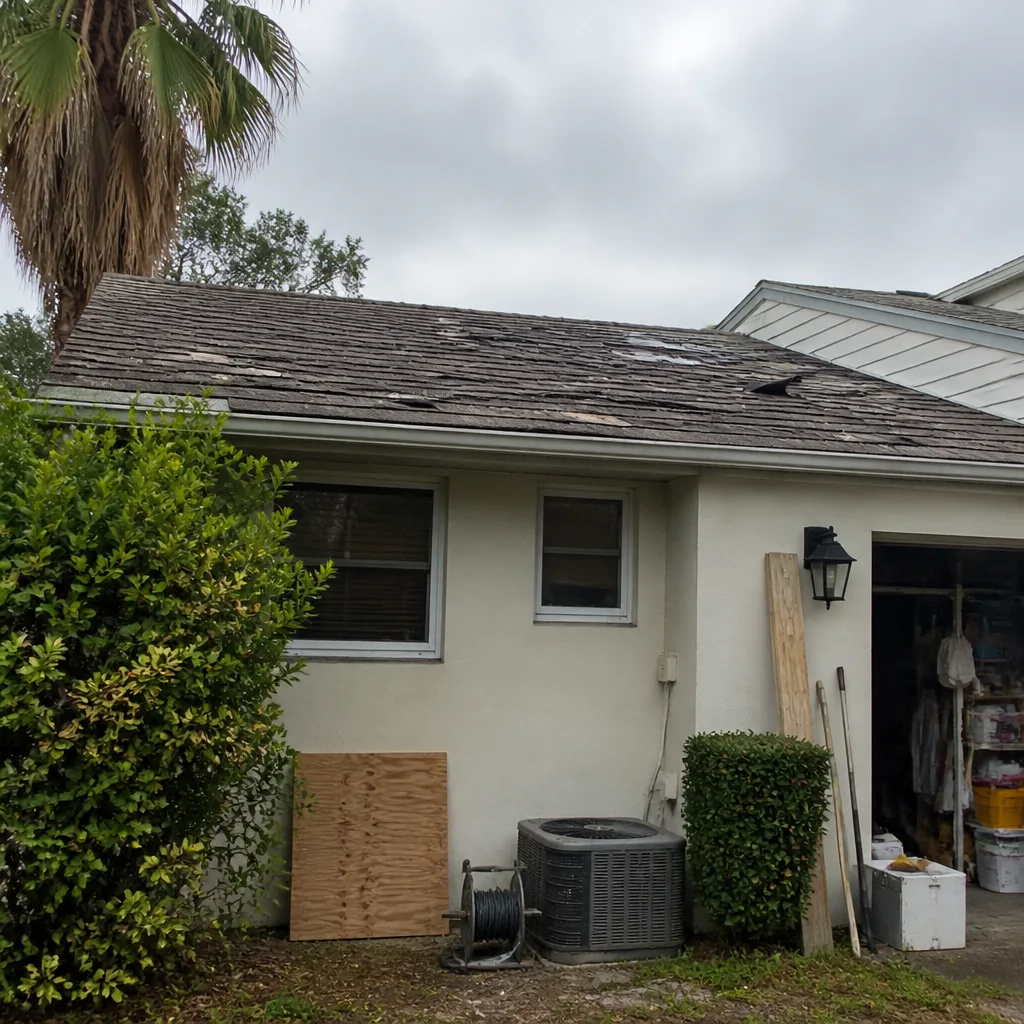 Before
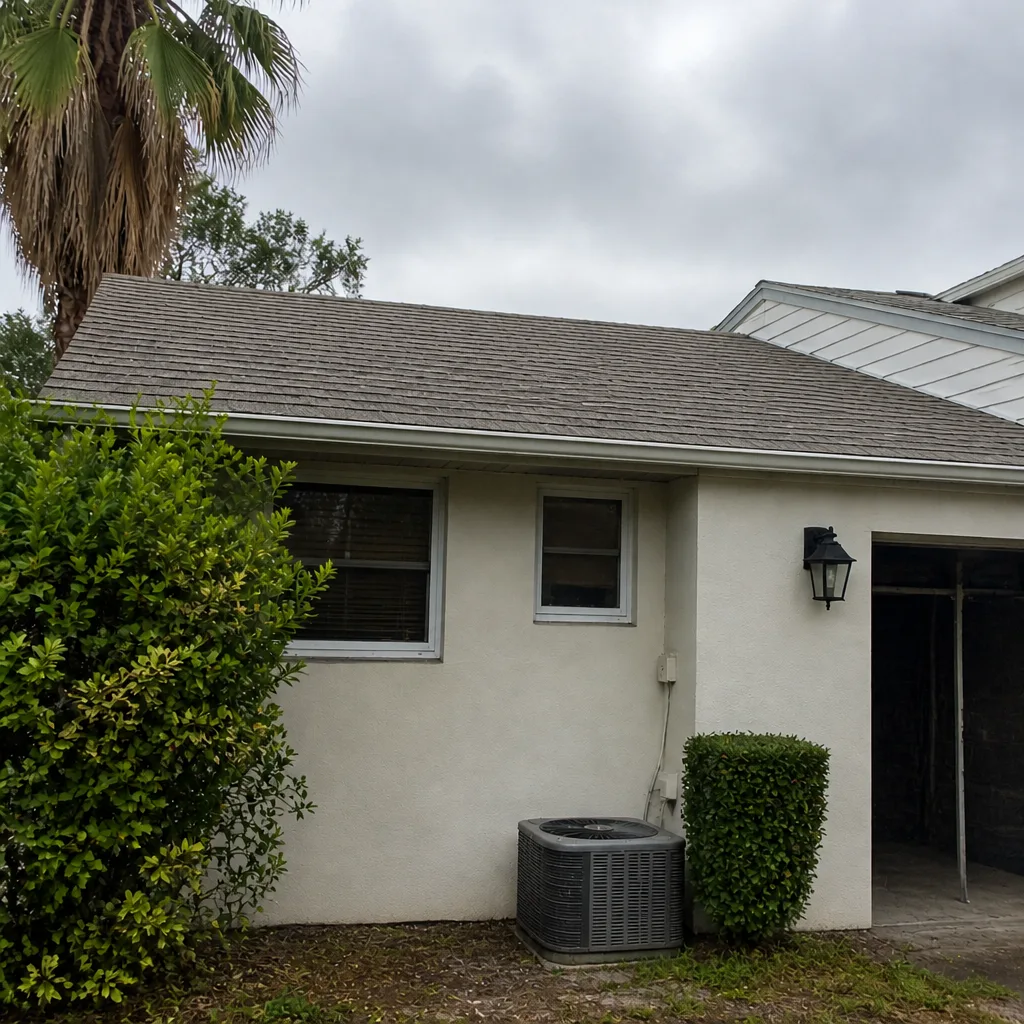 After
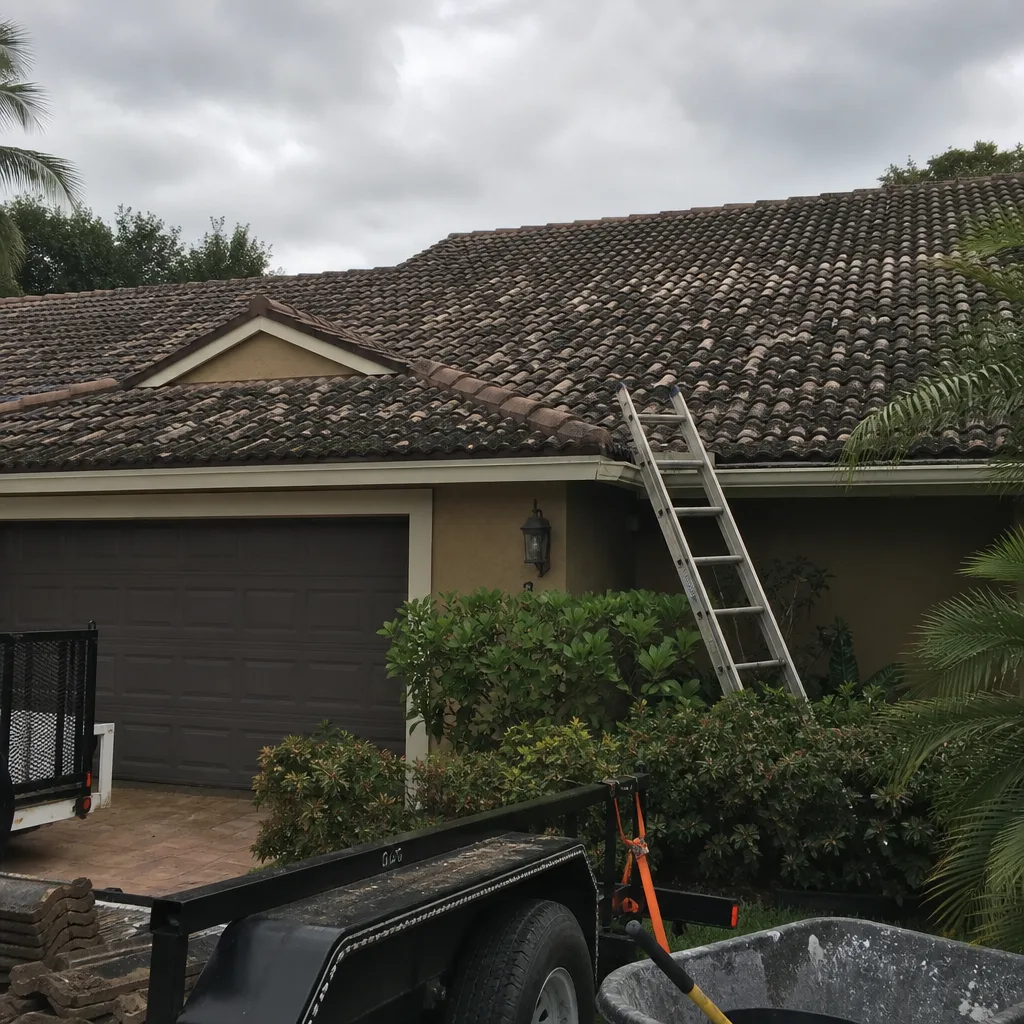 Before
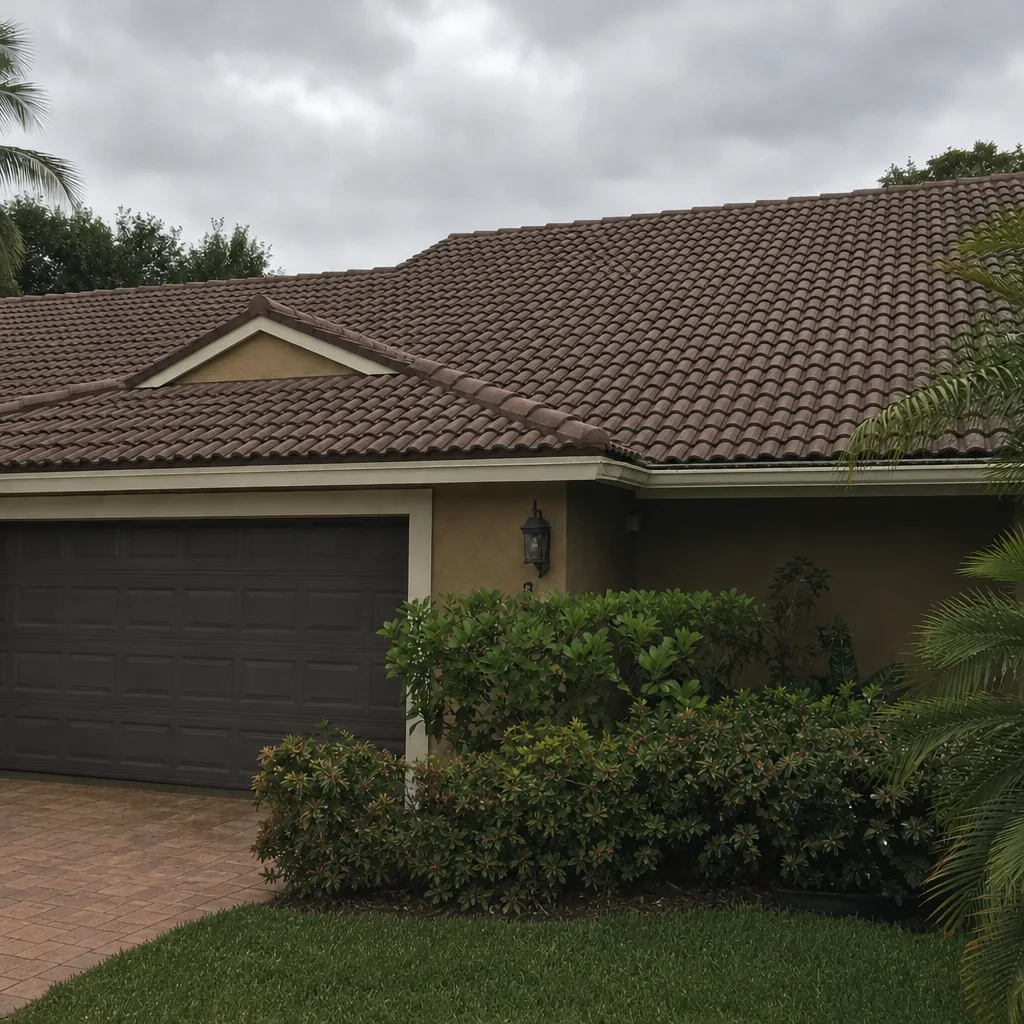 After
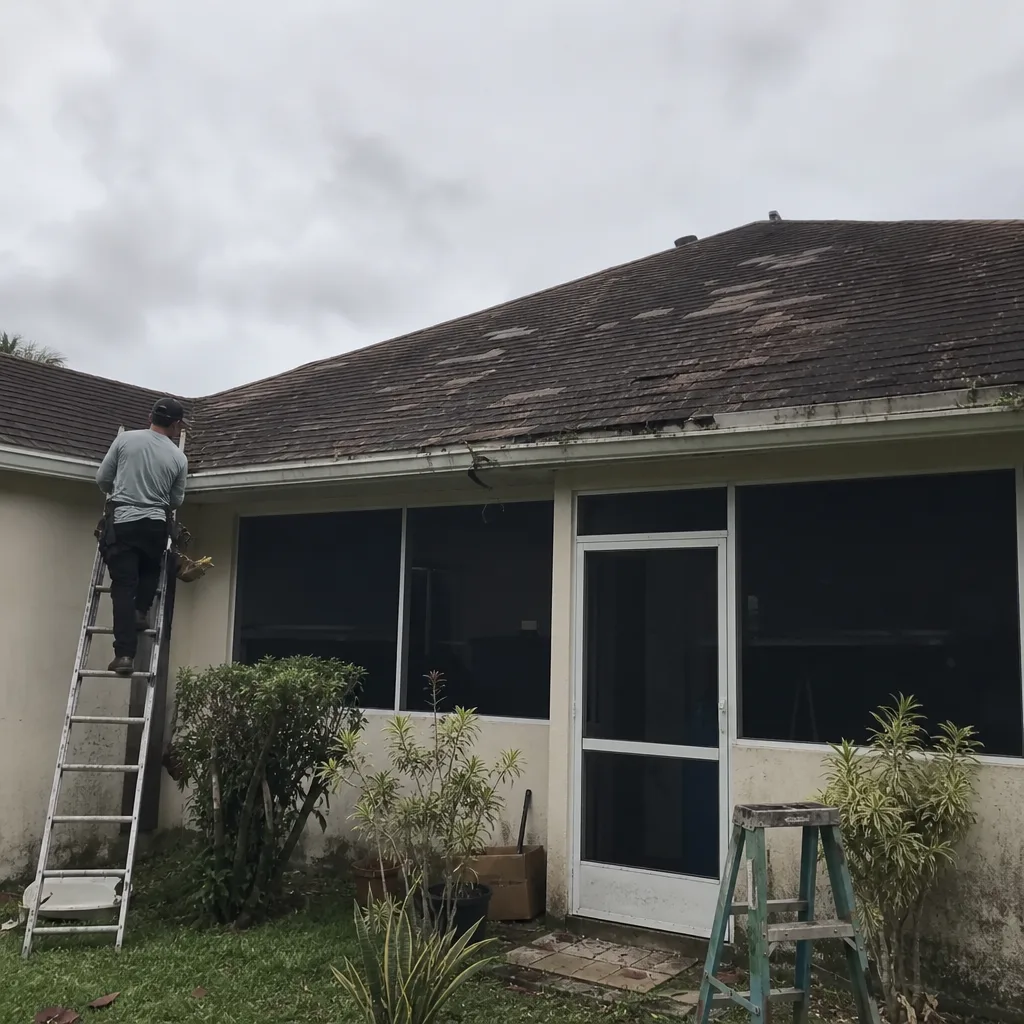 Before
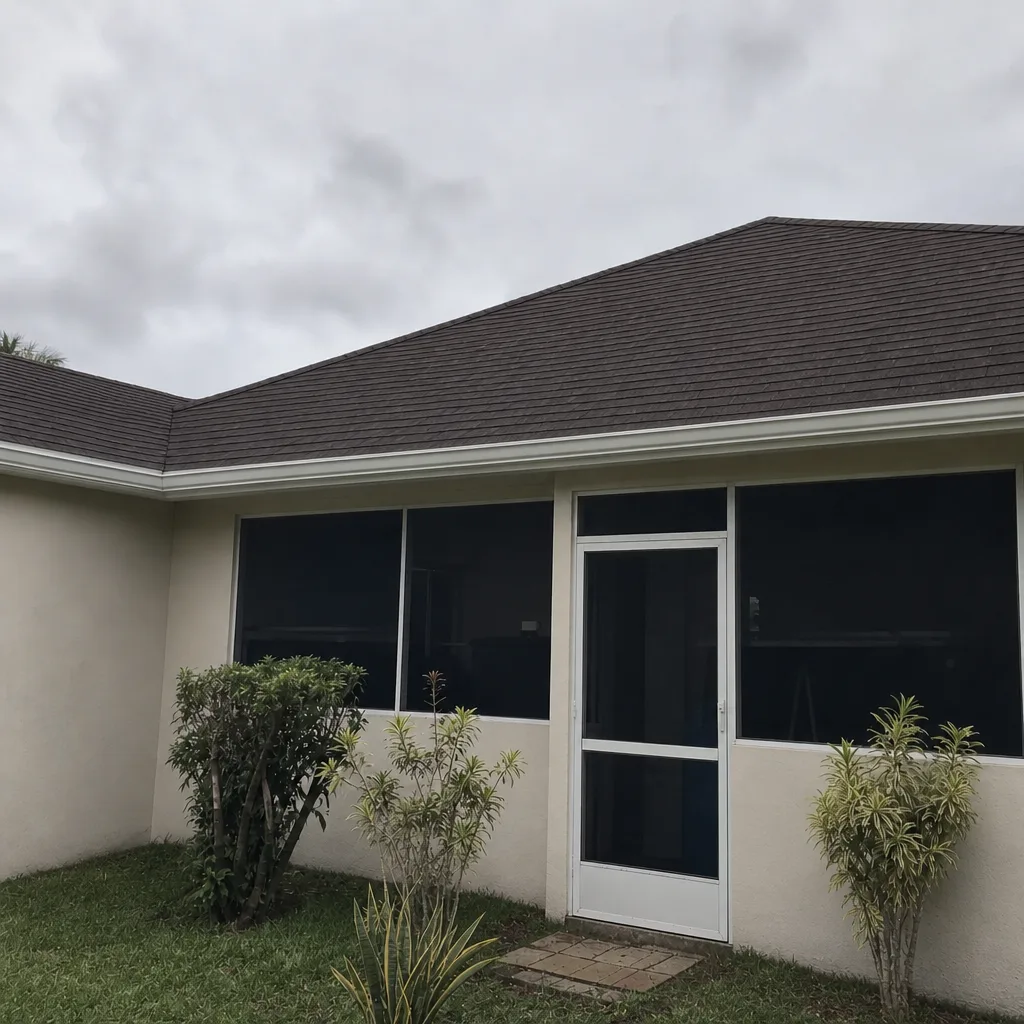 After
When to Call a Professional
Some roof problems are obvious. Others take an eye that’s been on a lot of Boca Raton roofs. Call a professional if you’re seeing ceiling stains after a heavy rain, shingle granules collecting in the gutters or at the base of downspouts, missing or lifted shingles after a storm, daylight in the attic, or a roof that’s noticeably older than the homes around it. Call before you commit to a replacement if the assessment hasn’t been done properly. A documented inspection answers the real question: repair, replace, or wait. Benchmark Roof Repair offers free estimates in Boca Raton – call (866) 942-9891 to schedule one. The estimate is written, and the final price is set by it.
Frequently Asked Questions
Go to the Florida Department of Business and Professional Regulation (DBPR) license lookup, enter the contractor’s license number, and confirm two things: the license category is roofing (CCC) rather than general contracting (CBC), and the status is “active.” Cross-check that the business name on the license matches the name on your proposal. It takes about two minutes and it’s the single most important check you’ll make. Call (866) 942-9891 if you want the license number in writing before you sign.
No, not for the roof work itself. A general contractor’s CBC license doesn’t cover specialty roofing work. Roofing falls under the CCC category, and the contractor you hire to replace or repair your roof should hold that specific license. Ask for the number and verify it on DBPR before signing anything. Call (866) 942-9891 for a free estimate from a contractor who welcomes the check.
Yes, roofing work in Florida generally requires a permit from the local building department, and in Boca Raton that means the city’s building division. The permit triggers an inspection and protects you when you sell the property. Ask the contractor to pull the permit in their own name and give you the permit number before work starts, so you can confirm it’s on file. Call (866) 942-9891 – estimates are free and the permit is our responsibility.
A thorough roofing estimate should include separate line items for tear-off of existing layers, underlayment named by type, deck replacement pricing per sheet, flashing and drip edge, ventilation, permit fees, final cleanup, and the specific shingle brand and product line. Anything lumped into “materials” or “labor” is a scope gap waiting to become a change order. A written estimate should set the final price. Call (866) 942-9891 for a free written estimate.
You know after a documented inspection, not before. If the damage is isolated to flashing, a small section of shingles, or a specific leak path, a repair is usually the right call. If the shingles are at the end of their life across the whole roof, or the deck is compromised in multiple areas, replacement is the answer. Start with an inspection and ask for photos. Call (866) 942-9891 to schedule a free inspection and estimate.
Out-of-state plates on the truck, no verifiable local address, pressure to sign before an inspection has been done, cash-only deposits, and a quote that was assembled from the driveway. Any one of those is a reason to slow down and verify the license and permit before signing anything. A legitimate contractor will not mind the questions. Call (866) 942-9891 for a no-pressure inspection and written estimate.
The Bottom Line
Hiring a roofer in Boca Raton comes down to verification, not persuasion. Check the license type on DBPR and confirm it’s CCC, not CBC. Insist the permit is pulled in the contractor’s name and confirm it yourself before work begins. Ask who actually installs and whether they’re covered under the contractor’s liability policy. Read the proposal line by line for what’s missing. Skip any contractor who pressures you to sign before an inspection. The one who answers all of it without hesitation is the one to hire, and that’s the standard every job should meet.
Get a Free Estimate on Your Boca Raton Roof
Whether you need an honest inspection, a targeted repair, or a full replacement, we start with a documented look at the roof and a written estimate that sets the final price. Our technicians have up to 15 years of experience, and we work with seven leading roofing manufacturers – GAF, CertainTeed, Owens Corning, IKO, Atlas, Tamko, and Boral – so the recommendation is about fit, not inventory. Call (866) 942-9891. We answer 24/7. Fast dispatch from 7am to 7pm, Sunday through Friday. Estimates are free.
Written by the team at Benchmark Roof Repair.